1. Animals Facts
| Feature | Details |
|---|---|
| Scientific Kingdom | Animalia |
| Estimated Species | ~8.7 million (est. total); ~1.5 million formally described |
| Oldest Animal Fossil | ~800 million years ago (Otavia antiqua, sponge-like) |
| Smallest Animal | Myxozoa (microscopic parasitic animals, <1 mm) |
| Largest Animal | Blue whale (Balaenoptera musculus) — up to 33 m, 190 tonnes |
| Fastest Animal | Peregrine falcon — 390+ km/h in a dive |
| Slowest Animal | Three-toed sloth — avg. 0.15 km/h |
| Longest-Lived Animal | Ocean quahog clam (Arctica islandica) — 507 years recorded |
| Most Numerous Animal | Nematode roundworms — trillions upon trillions |
| Most Intelligent (non-human) | Chimpanzee, dolphin, crow, octopus (debated by context) |
| Habitats Covered | Every biome on Earth — land, sea, air, underground, deep ocean |
| Threatened Species | ~44,000+ species threatened with extinction (IUCN, 2026) |
| Described Vertebrate Species | ~66,000+ |
| Described Invertebrate Species | ~1.4 million+ |
2. What is an Animal? – Overview & Scientific Classification
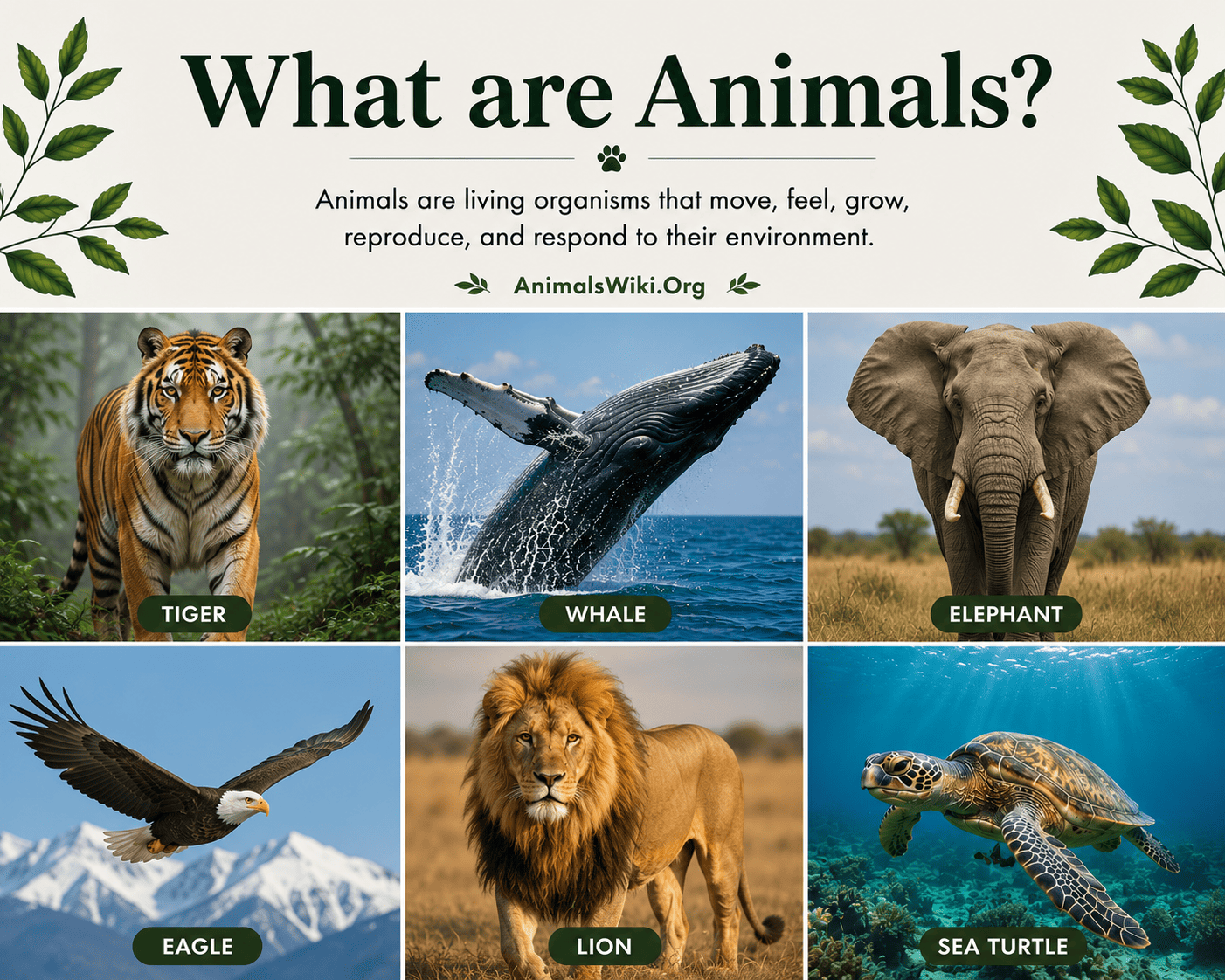
What exactly is an animal? The question seems almost too simple to ask — and yet the answer is genuinely fascinating, scientifically precise, and far more surprising than most people realize.
An animal is a member of the kingdom Animalia — a vast, ancient, and extraordinarily diverse group of multicellular organisms that share a set of fundamental biological characteristics. They are eukaryotic (their cells contain a nucleus), heterotrophic (they obtain energy by consuming other organisms rather than producing it through photosynthesis), motile at some stage of their life (capable of self-directed movement), and they reproduce sexually (though many also reproduce asexually).
This definition encompasses an almost incomprehensible range of living things. An ocean quahog clam living buried in Arctic sediment for five centuries is an animal. So is a Himalayan snow leopard stalking prey at 5,000 metres altitude. So is a microscopic water bear (tardigrade) surviving in the vacuum of outer space. So is the blue whale — the largest animal that has ever existed in the history of life on Earth.
The kingdom Animalia contains an estimated 8.7 million species in total — of which only approximately 1.5 million have been formally described and named by science. The vast majority of undescribed species are insects, nematodes, and deep-sea invertebrates. Every year, scientists formally describe approximately 15,000–18,000 new animal species — a rate that, despite its impressive scale, cannot keep pace with the rate at which habitats are being destroyed before their inhabitants are even known to science.
The Animal Kingdom – Major Classification Levels
| Classification Level | Example (Lion) | Example (Honeybee) |
|---|---|---|
| Kingdom | Animalia | Animalia |
| Phylum | Chordata | Arthropoda |
| Class | Mammalia | Insecta |
| Order | Carnivora | Hymenoptera |
| Family | Felidae | Apidae |
| Genus | Panthera | Apis |
| Species | Panthera leo | Apis mellifera |
“Animals are not lesser humans. They are other nations, caught with ourselves in the net of life and time.” — Henry Beston, naturalist and author of The Outermost House (1928)
3. The Major Animal Groups – A Visual Guide
The animal kingdom is divided into approximately 35 major phyla — the broadest classification below kingdom. Understanding these major groups is the foundation of understanding animal diversity.
Vertebrates (Phylum Chordata)
Vertebrates — animals with a backbone — are the group most familiar to humans, yet they represent only about 3–5% of all animal species. Within the subphylum Vertebrata, five great classes are recognized:
Mammals (Class Mammalia) Warm-blooded, hair-bearing, live-birth (mostly), milk-producing. Approximately 5,900 species. Examples: humans, whales, bats, elephants, mice.
Birds (Class Aves) Warm-blooded, feathered, egg-laying descendants of theropod dinosaurs. Approximately 10,800 species. Examples: eagles, penguins, hummingbirds, ostriches.
Reptiles (Class Reptilia) Cold-blooded (ectothermic), scaled, amniotic eggs. Approximately 11,700 species. Examples: crocodiles, snakes, lizards, turtles.
Amphibians (Class Amphibia) Cold-blooded, moist-skinned, typically requiring water for reproduction. Approximately 8,400 species. Examples: frogs, salamanders, caecilians.
Fish (multiple classes) Aquatic, gill-breathing vertebrates. Approximately 36,000 species across ray-finned fish, cartilaginous fish, lobe-finned fish, and jawless fish.
Invertebrates – The Dominant Majority
Invertebrates — animals without a backbone — represent approximately 95–97% of all animal species. Key phyla include:
| Phylum | Common Name | # Species | Examples |
|---|---|---|---|
| Arthropoda | Insects, spiders, crustaceans | 1,000,000+ | Butterflies, crabs, scorpions |
| Mollusca | Molluscs | ~85,000 | Octopus, snails, clams, squid |
| Annelida | Segmented worms | ~22,000 | Earthworms, leeches, polychaetes |
| Nematoda | Roundworms | ~25,000 described; millions est. | Soil nematodes, parasitic worms |
| Echinodermata | Echinoderms | ~7,000 | Starfish, sea urchins, sea cucumbers |
| Porifera | Sponges | ~9,000 | Bath sponge, glass sponge |
| Cnidaria | Jellyfish, corals | ~11,000 | Jellyfish, sea anemones, coral |
| Platyhelminthes | Flatworms | ~20,000 | Tapeworms, planarians, flukes |
Did You Know? Insects — members of the class Insecta within the phylum Arthropoda — are by far the most species-rich group of animals on Earth. With over 1 million described species and an estimated 4–8 million total species, insects represent more than half of all known animal species. If all animal species were laid end to end on a scale, insects would occupy more than 50 centimetres of every metre.
4. Physical Diversity – Size, Shape & Unique Features
The physical diversity of animals is so extraordinary that it almost defies description. Consider the range: from the 2-gram bumblebee bat — the world’s smallest mammal, small enough to perch on a thumbnail — to the blue whale, whose heart alone weighs 180 kg and whose arteries are wide enough for a human to crawl through. From the immortal jellyfish (Turritopsis dohrnii) — which can theoretically revert to its juvenile state and restart its life cycle indefinitely — to the Greenland shark, plodding through Arctic waters for over 500 years.
Size Extremes Across Animal Groups
| Category | Smallest | Largest |
|---|---|---|
| Overall animal | Myxozoa (<1 mm) | Blue whale (33 m, 190 tonnes) |
| Land animal | Etruscan shrew (1.8 g) | African elephant (7 tonnes) |
| Mammal | Bumblebee bat (2 g) | Blue whale (190 tonnes) |
| Bird | Bee hummingbird (1.6 g) | Ostrich (160 kg) |
| Reptile | Nano-chameleon (13.5 mm) | Saltwater crocodile (1,000+ kg) |
| Fish | Paedocypris progenetica (8 mm) | Whale shark (21,500 kg) |
| Insect | Fairyfly wasp (0.15 mm) | Giant walking stick (56 cm) |
Extraordinary Physical Adaptations Across the Animal Kingdom
Animals have evolved physical solutions to survival challenges so ingenious that human engineers and scientists regularly study and copy them:
The mantis shrimp (Stomatopoda) possesses the most complex visual system of any known animal — with 16 types of photoreceptors (compared to 3 in humans) and the ability to see UV, infrared, and polarized light simultaneously. It also strikes with the force of a bullet, accelerating its club-like appendage at 10,000 g — fast enough to cavitate water and create localized flashes of light and heat approaching the temperature of the sun’s surface.
The tardigrade (water bear) is arguably the most physically resilient animal on Earth — capable of surviving temperatures from -272°C to +150°C, pressures six times greater than the deepest ocean trench, radiation doses 1,000 times lethal to humans, and the vacuum of outer space. It achieves this through a state called cryptobiosis — essentially shutting down all metabolic processes and becoming a near-indestructible desiccated barrel.
The axolotl (Ambystoma mexicanum) — a Mexican salamander — can regenerate complete limbs, portions of its heart and brain, sections of its spinal cord, and its eyes — with perfect functional recovery. Researchers studying its regenerative biology hope to eventually translate these mechanisms to human regenerative medicine.
Did You Know? The mantis shrimp’s punch is so powerful that it has been known to crack aquarium glass from the inside — and its club appendage moves so fast it creates cavitation bubbles that collapse with a flash of light and a shockwave almost as damaging as the strike itself. In effect, the mantis shrimp hits its prey twice with each strike — once with the club and once with the collapsing cavitation bubble.
5. Natural Habitats & Geographic Range
Animals have colonized every environment on Earth that can support life — and some that seem, by any reasonable expectation, unable to do so.
Habitat Types and Representative Animals
| Habitat | Key Characteristics | Representative Animals |
|---|---|---|
| Tropical Rainforest | High temp, high rainfall, extraordinary biodiversity | Jaguar, poison dart frog, morpho butterfly, orangutan |
| Savanna/Grassland | Seasonal rainfall, open grassy plains | Lion, elephant, zebra, wildebeest, cheetah |
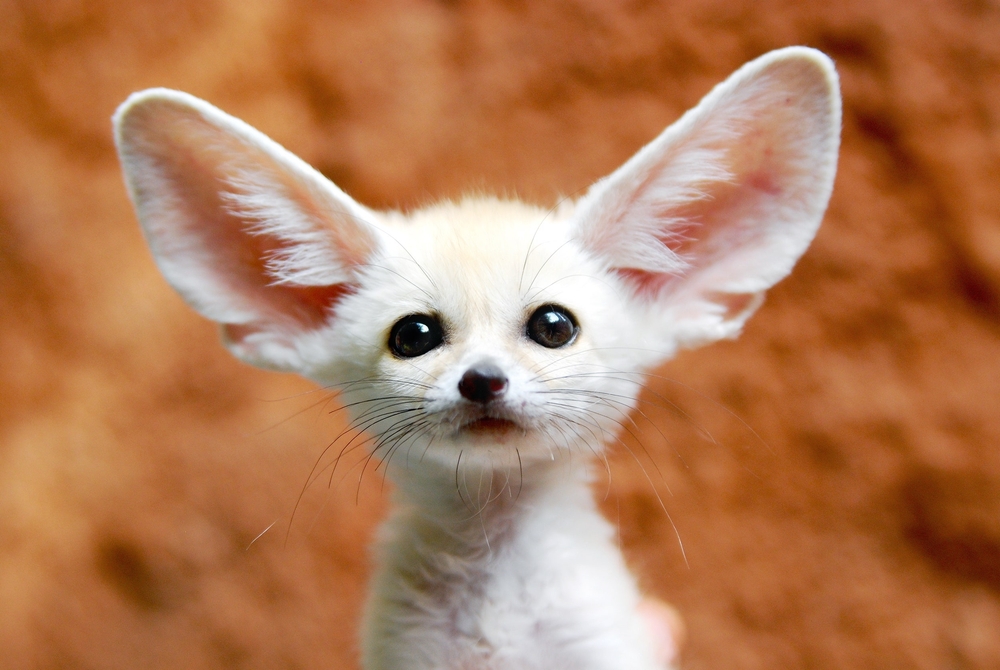
| Desert | Extreme heat/cold, minimal water | Fennec fox, dromedary, sidewinder rattlesnake, meerkat |
| Temperate Forest | Seasonal, moderate climate | Brown bear, white-tailed deer, fox, great spotted woodpecker |
| Boreal Forest (Taiga) | Cold, coniferous, vast | Moose, lynx, wolverine, Siberian tiger |
| Arctic/Antarctic | Extreme cold, ice | Polar bear, emperor penguin, Arctic fox, ringed seal |
| Coral Reef | Warm, shallow, hyperdiverse | Clownfish, sea turtle, reef shark, parrotfish |
| Deep Ocean | Complete darkness, crushing pressure | Anglerfish, giant squid, tube worms, snailfish |
| Freshwater | Rivers, lakes, wetlands | Hippopotamus, giant otter, piranha, river dolphin |
| Underground/Caves | Darkness, stable temperature | Cave fish, cave cricket, olm salamander |
| Urban/Suburban | Human-modified landscapes | Urban fox, peregrine falcon, raccoon, house sparrow |
Habitat Range by Continent
| Continent | # Animal Species (est.) | Biodiversity Hotspot | Most Iconic Species |
|---|---|---|---|
| South America | 1,000,000+ | Amazon Basin | Jaguar, tapir, anaconda, macaw |
| Africa | 750,000+ | Congo Basin, Cape Region | Elephant, lion, gorilla, giraffe |
| Asia | 500,000+ | Southeast Asian forests | Tiger, giant panda, orangutan, snow leopard |
| North America | 400,000+ | Gulf Coast, Pacific NW | Bison, grizzly bear, bald eagle, alligator |
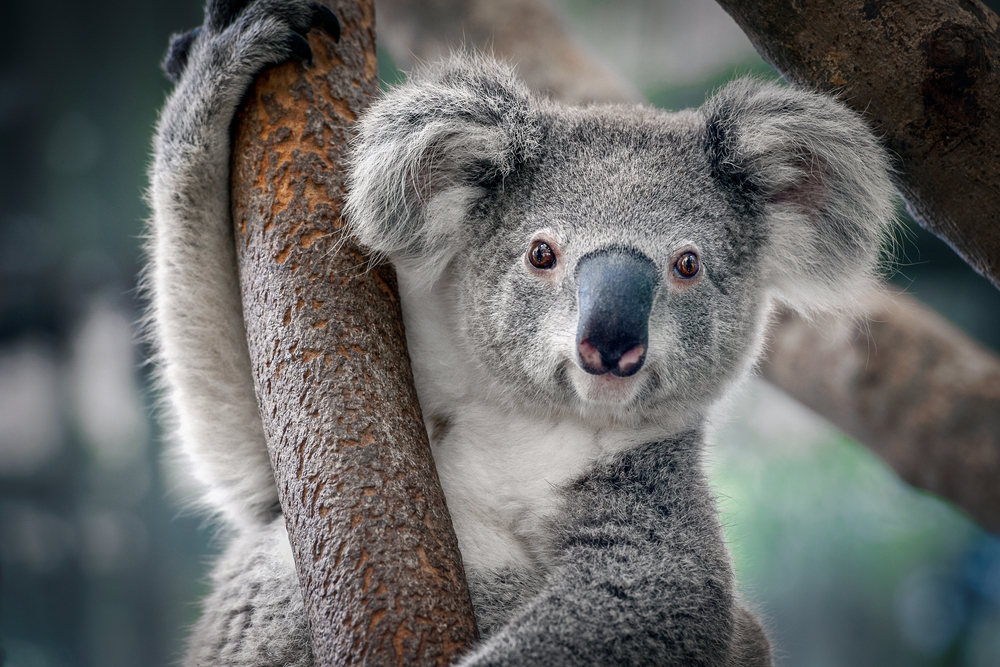
| Australia/Oceania | 300,000+ | Entire continent (island endemism) | Kangaroo, koala, platypus, Tasmanian devil |
| Europe | 200,000+ | Mediterranean Basin | Brown bear, lynx, wolf, European bison |
| Antarctica | ~8,000 | Antarctic Peninsula | Emperor penguin, leopard seal, krill |
6. Diet & Feeding Behavior Across the Animal Kingdom
How animals obtain food is one of the most fundamental organizing principles of ecology — shaping body plans, behaviors, social structures, and entire ecosystem architectures.
The Major Dietary Categories
Herbivores consume only plant matter. They represent the critical link between primary producers (plants) and the rest of the food chain. Herbivores have evolved specialized digestive systems — the multi-chambered ruminant stomach of cattle, deer, and giraffes, the enormous hindgut fermentation chambers of horses and rhinos, the specialized bacteria-rich gut of termites that allows them to digest cellulose — to extract nutrition from plant material that is genuinely difficult to digest.
Carnivores consume other animals. They range from the obligate carnivores (cats, which cannot survive without animal protein) to hypercarnivores (animals where >70% of diet is animal matter) to mesocarnivores (50–70% animal). Carnivores have driven the evolution of extraordinary speed, strength, venom, and sensory acuity across both predator and prey lineages.
Omnivores consume both plant and animal matter — the most flexible and often most ecologically successful dietary strategy. Bears, pigs, raccoons, crows, and humans are all omnivores. This dietary flexibility allows omnivores to exploit whatever food sources are available in their environment.
Detritivores consume dead organic matter — earthworms, dung beetles, vultures, woodlice, millipedes. They perform the essential ecological function of breaking down dead material and returning nutrients to the soil and water.
Filter feeders — whale sharks, baleen whales, flamingos, mussels, sponges — strain microscopic organisms from water, often in enormous quantities. The blue whale consumes approximately 4 tonnes of krill per day during feeding season.
Diet Breakdown Across Major Animal Groups
| Animal Group | Primary Diet | Specialist Examples |
|---|---|---|
| Felids (cats) | Obligate carnivore | Cheetah (gazelles), fishing cat (fish) |
| Canids (dogs/wolves) | Carnivore/omnivore | Gray wolf (ungulates), red fox (varied) |
| Primates | Omnivore/herbivore | Gorilla (leaves/fruit), tarsier (insects only) |
| Cetaceans (whales) | Carnivore/filter feeder | Orca (marine mammals), blue whale (krill) |
| Raptors | Carnivore | Osprey (fish), secretary bird (snakes) |
| Insects | Highly varied | Monarch (nectar), dung beetle (excrement) |
| Sharks | Carnivore/filter feeder | Great white (seals), whale shark (plankton) |
7. Animal Reproduction & Life Cycles
Across the animal kingdom, reproduction takes forms of almost surreal diversity — from the explosive simultaneous spawning of coral reefs (where entire reef systems release eggs and sperm into the water column on the same night, triggered by moonlight and water temperature) to the 27-month gestation of the African elephant (the longest pregnancy of any land animal) to the asexual reproduction of Komodo dragons and some sharks (parthenogenesis — producing offspring without fertilization).
Reproductive Strategies
Sexual reproduction — combining genetic material from two parents — is the dominant reproductive strategy across animals, generating the genetic diversity that drives evolution. Within sexual reproduction, animals have evolved every conceivable variation of mating system: monogamy (albatrosses, gibbons), polygyny (lions, elephant seals), polyandry (jacanas, some seahorses), and promiscuity (chimpanzees, many insects).
Asexual reproduction occurs across many invertebrate groups — budding in sponges and cnidarians, fission in starfish, parthenogenesis in aphids and some reptiles.
Metamorphosis — a dramatic physical transformation between juvenile and adult body forms — occurs across insects (complete metamorphosis: egg → larva → pupa → adult), amphibians (tadpole → frog), and many marine invertebrates (planktonic larva → sessile adult).
Gestation/Development Periods Across Animal Groups
| Species | Gestation/Incubation | Offspring at Birth/Hatching |
|---|---|---|
| African Elephant | 22 months | Single calf; mobile within hours |
| Blue Whale | 10–12 months | Single calf; 8 m long at birth |
| Emperor Penguin | 65 days (incubation) | Single chick; helpless |
| House Mouse | 20 days | 5–12 pups; helpless, blind |
| Saltwater Crocodile | 90 days (incubation) | 40–60 hatchlings |
| Monarch Butterfly | 3–5 days (egg to larva) | Full metamorphosis: 4 weeks total |
| Greenland Shark | Est. 8–18 years | Live young; very slow development |
| Mayfly | Variable | Adult lifespan: 1 day–few hours |
Did You Know? The immortal jellyfish (Turritopsis dohrnii) is technically capable of biological immortality — when stressed, injured, or aged, it can revert its cells to their earliest state (transdifferentiation) and restart its life cycle from the polyp stage. This process can theoretically repeat indefinitely. Scientists are actively studying this mechanism for potential applications in human aging research.
8. Animals Social Behavior & Communication
The social lives of animals range from the absolute solitude of the orangutan (one of the most solitary great apes) to the extraordinary superorganisms of ant and bee colonies — where millions of individuals function as a single integrated entity with collective intelligence, division of labor, and self-organization that no individual could achieve alone.
Social Structures Across Animal Groups
Eusocial insects — bees, ants, termites, some wasps — represent the most complex animal social systems outside of humans. A leafcutter ant colony of 8 million individuals maintains fungus gardens, infrastructure, waste management systems, and specialized castes (workers, soldiers, reproductives) with a collective behavioral sophistication that has inspired robotics, computer network design, and economic modeling.
Primate societies display the most complex social relationships of any non-human animals — with individual recognition, long-term social bonds, political alliances, coalition formation, and what researchers describe as genuine friendship. Chimpanzee communities engage in territorial warfare, reconciliation, consolation of distressed individuals, and political maneuvering that primatologists describe in explicitly political terms.
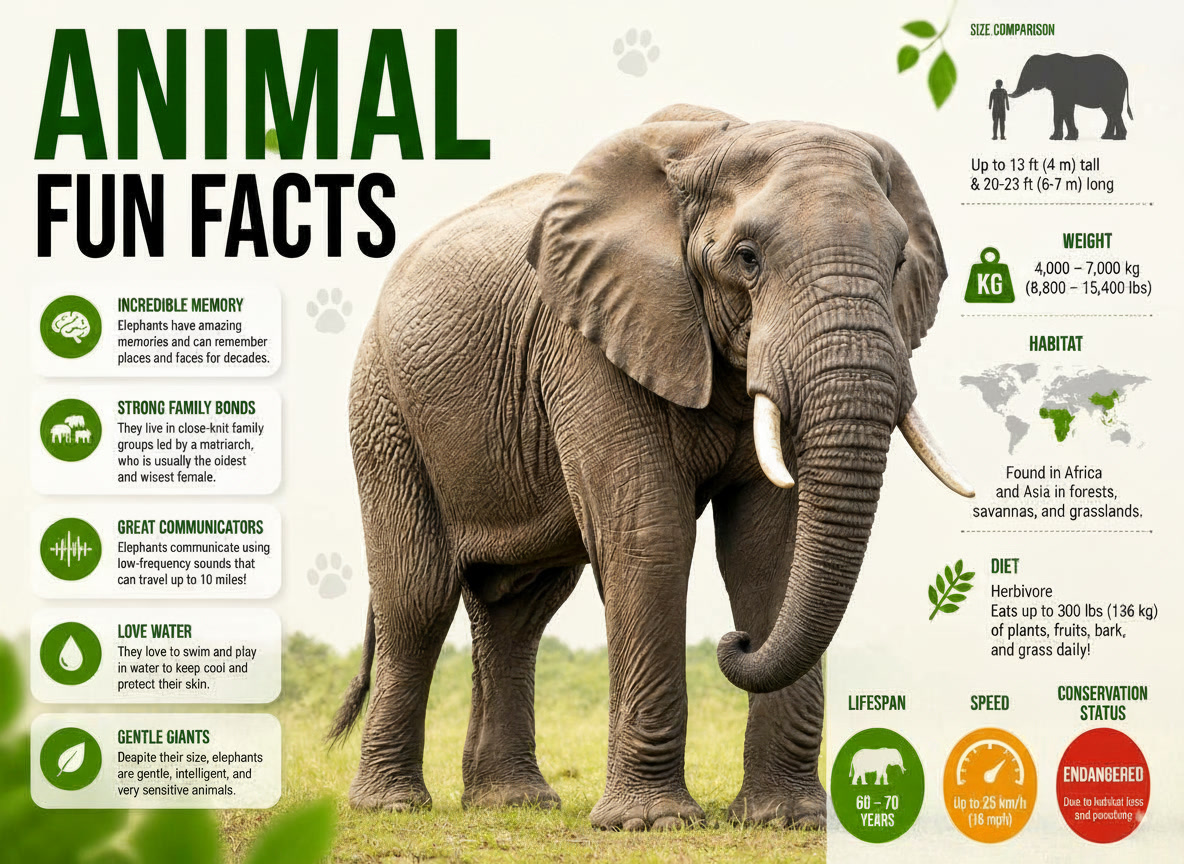
Elephant herds are led by a matriarch — the eldest female — whose decades of accumulated environmental knowledge guides the group’s responses to drought, predators, and social challenges. Research has demonstrated that larger-brained matriarchs with longer memories lead groups with higher survival rates.
Communication Systems
| Communication Type | Examples | Animal Groups |
|---|---|---|
| Vocalization | Song, calls, ultrasound, infrasound | Birds, whales, elephants, bats, frogs |
| Chemical (pheromones) | Scent marking, trail pheromones, alarm signals | Insects, mammals, fish |
| Visual displays | Plumage, coloration, posture, movement | Birds, cephalopods, insects, primates |
| Electrical signals | Weak electric fields | Electric fish, sharks (detection) |
| Bioluminescence | Light production | Deep-sea fish, fireflies, cephalopods |
| Seismic/vibrational | Ground vibrations | Elephants, mole rats, spiders |
| Dance | Honeybee waggle dance | Honeybees |
The honeybee waggle dance deserves special mention as one of the most remarkable communication systems in nature. A forager bee returning to the hive performs a precise figure-eight dance on the vertical comb surface — encoding the distance, direction, and quality of a food source in the angle, duration, and vigor of the dance. This is the only known non-human communication system that encodes symbolic information about a location not visible to the receiver — a property that linguists consider a defining characteristic of human language.
9. Predators, Prey & Defense Mechanisms
The relationship between predator and prey is the engine of evolution — the relentless selective pressure that has produced the cheetah’s speed, the gazelle’s agility, the rattlesnake’s venom, and the mongoose’s resistance to it. Every extraordinary physical and behavioral adaptation in the animal kingdom can ultimately be traced to this fundamental arms race.
Defense Mechanisms Across the Animal Kingdom
Camouflage (Crypsis) — The cuttlefish can change both the color and texture of its skin in milliseconds, matching any background with photographic precision despite being colorblind. The stick insect is so perfectly shaped and colored to resemble a twig that it remains invisible even under close examination.
Chemical Defense — The bombardier beetle (Brachinus spp.) synthesizes and explosively ejects a boiling-hot chemical spray from its abdomen — at 100°C — with an audible pop, accurate enough to hit a target in any direction. The poison dart frog accumulates batrachotoxins from its diet so potent that a single frog contains enough toxin to kill 10 adult humans.
Armor — The pangolin — covered in overlapping scales of keratin — rolls into a ball when threatened, presenting a surface so hard and sharp that lions and leopards are unable to penetrate it. The box turtle can fully retract into its hinged shell, closing it completely with its muscular limbs.
Speed — The pronghorn antelope of North America runs at sustained speeds of 88 km/h — the second fastest land animal after the cheetah, and capable of maintaining this speed for far longer. Remarkably, no predator in North America today can catch a pronghorn at full speed — a phenomenon explained by the ghost of predators past: the pronghorn evolved its speed in response to now-extinct Pleistocene predators including the American cheetah.
Mimicry — The mimic octopus (Thaumoctopus mimicus) can impersonate at least 15 different toxic or dangerous species — including lionfish, flatfish, and sea snakes — selecting the most appropriate mimic based on the species of predator threatening it. This is considered the most sophisticated mimicry in the animal kingdom.
Did You Know? The pistol shrimp (Alpheus spp.) snaps its specialized claw so fast that it creates a cavitation bubble reaching temperatures of approximately 8,000°C — briefly hotter than the surface of the sun — and generating a shockwave that stuns or kills prey. The snap is also one of the loudest sounds produced by any marine animal, reaching 218 decibels — louder than a gunshot.
10. Evolution & Discovery Timeline
The history of animal life on Earth is a story spanning 600+ million years — of extraordinary innovation, catastrophic extinction, and spectacular recovery.
~800 million years ago — Earliest evidence of animal-like multicellular organisms (Otavia antiqua) in South African rocks — possibly sponge ancestors.
~635–542 million years ago (Ediacaran Period) — The Ediacaran biota — the first complex multicellular animals — appear in the fossil record. Soft-bodied, enigmatic, unlike any modern animals, they represent life’s first experiments with large, complex body plans.
~541 million years ago (Cambrian Explosion) — One of the most extraordinary events in the history of life. Over approximately 20 million years, virtually all major animal body plans (phyla) appear in the fossil record simultaneously. The Burgess Shale of Canada and the Chengjiang biota of China preserve extraordinary snapshots of this explosion of animal diversity.
~480 million years ago (Ordovician) — First vertebrates appear — jawless fish.
~375 million years ago (Devonian) — The first tetrapods (four-limbed vertebrates) emerge from lobe-finned fish ancestors — the evolutionary moment that begins the vertebrate colonization of land. Tiktaalik roseae — discovered in 2004 — is the best-known transitional fossil from this crucial transition.
~315 million years ago (Carboniferous) — First amniotes (animals whose embryos are enclosed in amniotic membranes) appear — the ancestors of all reptiles, mammals, and birds.
~252 million years ago — The Permian-Triassic extinction — the worst mass extinction in Earth’s history — kills approximately 96% of marine species and 70% of terrestrial vertebrates.
~230 million years ago (Triassic) — Dinosaurs, pterosaurs, mammals, and the first turtles appear.
~66 million years ago — The Cretaceous-Paleogene extinction — the asteroid impact — eliminates non-avian dinosaurs and many other lineages. Mammals and birds diversify explosively in the aftermath.
~55 million years ago — The great mammal radiation produces most modern mammal orders in a geologically brief period.
1735 — Carl Linnaeus publishes Systema Naturae, establishing the formal system of binomial nomenclature that underlies all modern animal taxonomy.
1859 — Charles Darwin publishes On the Origin of Species — the unifying theory of evolution by natural selection that explains the diversity of all animal life.
1953 — Watson and Crick describe the structure of DNA — opening the molecular era of evolutionary biology.
1990s–2026 — Molecular phylogenetics and genomics transform animal classification — regularly revealing unexpected relationships, hidden species, and entirely new branches of the animal family tree. Deep-sea exploration continues to discover extraordinary new animal species, from giant squid to bizarre abyssal invertebrates.
11. Animals & Humans – A Shared History
The relationship between animals and humanity is the longest, most complex, and most consequential interspecies story on Earth. Animals have fed us, clothed us, carried us, worked alongside us, inspired our art and religion, shaped our economies, and defined our understanding of our own place in the natural world.
Domestication – The Animals That Changed History
The domestication of animals — the process by which wild species were brought into close association with humans and selectively bred for human purposes — is one of the most transformative developments in human history.
| Domesticated Animal | Approximate Date | Origin Region | Primary Use |
|---|---|---|---|
| Dog | 15,000–40,000 years ago | Asia/Europe | Hunting, protection, companionship |
| Sheep/Goat | ~10,000 years ago | Middle East | Meat, milk, wool |
| Cattle | ~8,000 years ago | Middle East/India | Meat, milk, labor, leather |
| Pig | ~8,000 years ago | China/Middle East | Meat |
| Horse | ~5,500 years ago | Central Asia | Transport, labor, warfare |
| Chicken | ~8,000 years ago | Southeast Asia | Eggs, meat |
| Cat | ~10,000 years ago | Middle East | Pest control, companionship |
| Honeybee | ~7,000 years ago | Middle East/Africa | Honey, pollination |
| Silkworm | ~5,000 years ago | China | Silk production |
| Camel | ~3,000 years ago | Arabian Peninsula | Transport, milk, meat |
Modern Relationships
Today, animals intersect with human civilization across every conceivable domain — food production, medicine, scientific research, companionship, sport, conservation, tourism, art, and philosophy. The ethical dimensions of these relationships are among the most actively debated questions in contemporary society.
“The question is not, Can they reason? nor, Can they talk? but, Can they suffer?” — Jeremy Bentham, philosopher, 1789 – a statement that remains the foundation of modern animal welfare ethics
12. Role in the Ecosystem & Food Chain
Every animal species — from the most spectacular apex predator to the most apparently insignificant soil nematode — plays a role in the functioning of its ecosystem. Remove any species from a functioning ecosystem and consequences ripple outward, sometimes in completely unexpected directions.
Trophic Levels and Food Webs
Primary producers (plants, algae, phytoplankton) capture solar energy through photosynthesis — forming the base of all food chains.
Primary consumers (herbivores — rabbits, deer, grasshoppers, zooplankton) transfer that energy to the next level.
Secondary consumers (carnivores that eat herbivores — foxes, frogs, small fish) concentrate energy further.
Tertiary consumers (apex predators — eagles, sharks, orcas, tigers) sit at the top of food chains.
Decomposers and detritivores (earthworms, fungi, bacteria, dung beetles, vultures) complete nutrient cycles by breaking down dead organic matter.
Keystone Species – Animals That Hold Ecosystems Together
A keystone species is one whose impact on its ecosystem is disproportionately large relative to its abundance. Remove a keystone species and the ecosystem restructures — often collapsing or shifting to a fundamentally different state.
Sea otters (Enhydra lutris) control sea urchin populations. Without otters, urchins overgraze kelp forests — turning lush, biodiverse underwater forests into “urchin barrens.” The reintroduction of otters to areas of California and Alaska has produced dramatic recovery of kelp forest ecosystems.
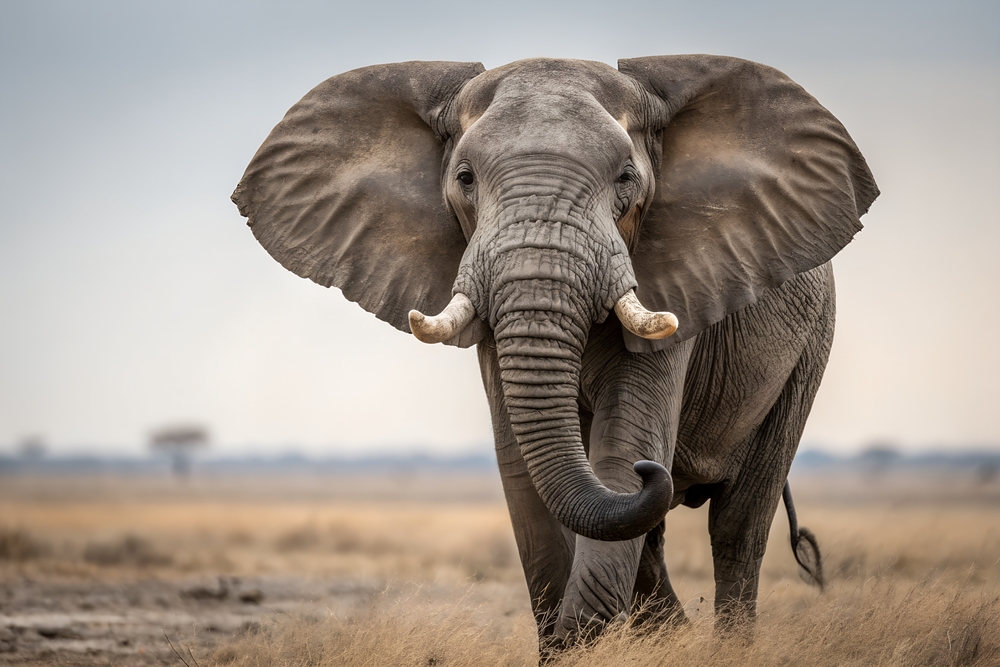
African elephants are ecosystem engineers — felling trees, digging water holes, fertilizing soil, and maintaining the savanna-woodland mosaic that dozens of other species depend on. A landscape without elephants gradually becomes denser woodland, less suitable for the grassland species that elephants support.
Wolves, reintroduced to Yellowstone National Park in 1995, triggered one of the most studied and dramatic ecological recoveries in conservation history. By controlling elk populations and altering their behavior (keeping elk moving rather than overgrazing riverbanks), wolves allowed riverbank vegetation to recover — stabilizing stream banks, deepening river channels, and changing the physical geography of the park in a phenomenon called a trophic cascade.
13. Animal’s Conservation Status & Threats
We are living through what scientists call the sixth mass extinction — the first extinction event in Earth’s history driven primarily by a single species: Homo sapiens. The scale of current animal biodiversity loss is genuinely alarming.
The Numbers
- The IUCN Red List (2026) lists over 44,000 species as threatened with extinction
- 1 million animal and plant species face extinction within decades, according to the UN’s 2019 Global Assessment
- Vertebrate populations have declined by an average of 69% since 1970 (WWF Living Planet Report)
- Animal extinction rates are currently estimated at 100–1,000 times the natural background rate
Primary Threats
Habitat Destruction is the single greatest driver of animal extinction globally. Tropical deforestation — converting forest to agriculture, primarily for soy, palm oil, beef, and timber — is the most acute form, but habitat conversion for human use affects every biome on Earth.
Overexploitation — hunting, fishing, and wildlife trade — has driven many species to extinction or near-extinction. The illegal wildlife trade is estimated to be worth $23 billion annually — the fourth largest illegal trade globally after drugs, human trafficking, and weapons.
Invasive Species have caused the majority of animal extinctions on islands and are increasingly problematic in continental ecosystems. The introduction of brown tree snakes to Guam, rats to virtually every oceanic island, carp to Australian waterways, and dozens of other invasions have reshaped — and devastated — native animal communities.
Climate Change is a rapidly accelerating threat — shifting species ranges, disrupting breeding and feeding cycles, bleaching coral reefs, melting Arctic sea ice, intensifying extreme weather, and driving phenological mismatches (desynchronization between the timing of animals’ life cycle events and the availability of the food they depend on).
Pollution — plastic, chemical, noise, and light pollution — affects animals across every habitat. An estimated 8 million tonnes of plastic enter the ocean annually, with devastating effects on marine animals from the largest whales to the smallest plankton.
Did You Know? Scientists estimate that the total biomass of wild mammals on Earth today is only about 4% of the total mammal biomass — the remaining 96% consists of humans (36%) and our domestic livestock (60%). This single statistic captures the extraordinary degree to which human civilization has transformed the living world.
14. Famous Animals in Science, History & Pop Culture
Famous Individual Animals
Koko the Gorilla (1971–2018) — A western lowland gorilla who learned over 1,000 signs of American Sign Language and understood approximately 2,000 spoken English words under the tutelage of researcher Dr. Francine Patterson at the Gorilla Foundation. Koko’s apparent emotional depth — her grief when her kitten companion died, her humor, her self-awareness — changed public understanding of great ape cognition.
Dolly the Sheep (1996–2003) — The first mammal successfully cloned from an adult somatic cell — a scientific achievement that transformed biology, ethics, and public discourse about genetic technology. Dolly was created at the Roslin Institute in Scotland and named after Dolly Parton (the cell donor was a mammary gland cell).
Washoe the Chimpanzee (1965–2007) — The first non-human animal to learn American Sign Language — taught by researchers Allen and Beatrix Gardner at the University of Nevada. Washoe spontaneously taught some signs to her adopted son Loulis — the first documented case of non-human-to-non-human transmission of human language.
Lonesome George (died 2012) — The last known Pinta Island tortoise (Chelonoidis abingdonii), who lived at the Charles Darwin Research Station in the Galápagos until his death marked the extinction of his subspecies. He became the world’s most famous symbol of extinction.
Animals in Pop Culture
Simba (The Lion King, 1994/2019) — Disney’s lion prince became one of the most recognized animal characters in cinema history, inspiring generations of children’s interest in African wildlife.
Bambi (1942) — Disney’s deer became a landmark in animation history and, more unexpectedly, one of the most powerful conservation communications of the 20th century — the film’s portrayal of forest fire and hunting is credited by researchers with measurably reducing hunter numbers in the years following its release.
Free Willy (1993) — The film featuring orca Keiko sparked a real-world campaign to free the actual whale used in production — eventually resulting in Keiko’s transfer from a Mexican aquarium to a sea pen in Iceland, making him the only orca ever successfully returned to the wild after captivity.
Lassie (1943 novel, 1954 TV series) — The Rough Collie who became the defining image of the loyal dog in popular culture.
Jaws (1975) — The great white shark that traumatized a generation of swimmers and, unfortunately, drove decades of public hostility toward sharks that significantly impeded their conservation.
15. Animals in Myths, Folklore & World Cultures
Animals occupy the very heart of human mythology, religion, and cultural identity across every civilization on Earth. Long before humans developed writing, they painted animals on cave walls — at Lascaux, Altamira, Chauvet — in some of the most enduring and beautiful art in human history.
The Dragon — appearing independently in the mythology of China, Europe, Mesoamerica, and the Middle East — is perhaps the most universal mythological animal, despite having no single real-world counterpart. Chinese dragons are benevolent water-associated bringers of prosperity; European dragons are malevolent fire-breathers guarding treasure; Mesoamerican feathered serpents (Quetzalcoatl) are creator deities.
The Serpent — universally one of the most symbolically loaded animals in human culture — appears as tempter in the Garden of Eden, as healer on the Rod of Asclepius, as cosmic creator in Hindu mythology (Shesha supporting Vishnu), as death and rebirth symbol (the ouroboros — serpent eating its own tail) across Egyptian, Greek, and Norse traditions.
The Eagle — universally associated with power, sovereignty, and the divine — appears as the emblem of the Roman Empire, the United States, Germany, Mexico, Russia, and dozens of other nations. It is the mount of Zeus/Jupiter, the symbol of St. John the Evangelist, and the sacred bird of countless Indigenous American nations.
The Bear — central to the spiritual traditions of Indigenous peoples across the Arctic, sub-Arctic, and temperate Northern Hemisphere — from the bear ceremonialism of Siberian and North American shamanic traditions to the Arthurian connection (Arthur’s name may derive from the Celtic word for bear) to the Norse berserkers (warriors who fought in bear-skins, channeling bear-spirit).
Totemic Animals — the practice of identifying a clan, family, or individual with a specific animal spirit guardian — appears in virtually every indigenous cultural tradition worldwide, from the totem poles of Pacific Northwest peoples to the clan animals of Scottish Highland families to the nagual (animal spirit companion) of Mesoamerican traditions.
16. Best Places to See Animals in the Wild
The Serengeti / Masai Mara, Tanzania/Kenya The greatest wildlife spectacle on Earth — the Great Migration of approximately 1.5 million wildebeest, 200,000 zebra, and 500,000 gazelle following rainfall across the Serengeti-Mara ecosystem. Lions, cheetahs, leopards, elephants, rhinos, and hundreds of bird species make this the definitive African safari destination.
The Amazon Basin, Brazil/Peru/Colombia/Ecuador The world’s most biodiverse terrestrial ecosystem — home to approximately 10% of all animal species on Earth. River expeditions, jungle lodges, and canopy walkways offer access to jaguars, giant otters, anacondas, river dolphins, macaws, and thousands of insect, bird, and amphibian species.
The Galápagos Islands, Ecuador The laboratory of evolution — where Darwin’s observations laid the foundation for the theory of natural selection. Giant tortoises, marine iguanas, blue-footed boobies, Galápagos penguins, and extraordinarily tame wildlife accessible at close range make this one of the world’s premier wildlife destinations.
Borneo (Malaysia/Indonesia/Brunei) The last stronghold of wild orangutans — our most similar living relatives among the great apes. Also home to pygmy elephants, proboscis monkeys, clouded leopards, sun bears, and extraordinary biodiversity in both rainforest and marine environments.
The Antarctic Peninsula Emperor and chinstrap penguins, leopard seals, humpback whales, and the stark, overwhelming beauty of the last true wilderness on Earth. Antarctic expedition cruises bring increasing numbers of visitors to one of the planet’s most extraordinary wildlife environments.
Yellowstone National Park, USA The world’s most famous site of wolf reintroduction success — where the return of gray wolves has triggered one of ecology’s most studied trophic cascades. Also offers bison herds, grizzly bears, wolves, elk, and extraordinary geothermal features.
The Great Barrier Reef, Australia The world’s largest coral reef system — hosting over 1,500 fish species, 4,000 mollusc species, 240 bird species, and extraordinary marine megafauna including whale sharks, manta rays, sea turtles, and dolphins.
The Okavango Delta, Botswana One of Africa’s last great wildlife sanctuaries — a permanent inland delta in the middle of the Kalahari Desert that draws extraordinary concentrations of elephants, hippos, crocodiles, lions, leopards, and wild dogs to its waters.
You may also like: Complete Guide to the World’s Most Endangered Animals | Top 10 Wildlife Safari Destinations | The Ultimate Guide to Marine Conservation
17. How You Can Help
Support Conservation Organizations
- WWF (World Wildlife Fund) (worldwildlife.org) — the world’s largest conservation organization, with programs across every major ecosystem
- IUCN (International Union for Conservation of Nature) (iucn.org) — maintains the Red List and coordinates global conservation strategy
- Wildlife Conservation Society (WCS) (wcs.org) — manages conservation programs in 60+ countries
- Defenders of Wildlife (defenders.org) — focused on North American wildlife protection
- Born Free Foundation (bornfree.org.uk) — campaigns against captive wildlife exploitation
- African Wildlife Foundation (awf.org) — focused on African megafauna and habitat
- Rainforest Alliance (rainforest-alliance.org) — habitat conservation through sustainable certification
Practical Actions for Individuals
- Reduce meat consumption — animal agriculture is the largest driver of habitat destruction globally; reducing beef consumption in particular has measurable conservation impact
- Buy sustainably certified products — look for FSC (Forest Stewardship Council), MSC (Marine Stewardship Council), and Rainforest Alliance certifications
- Never buy products from endangered species — ivory, rhino horn, shark fin, sea turtle products, and exotic pets from wild capture
- Support local conservation — volunteer with local wildlife organizations, participate in citizen science programs (iNaturalist, eBird, Zooniverse)
- Reduce plastic use — plastic pollution kills wildlife across every ecosystem
- Plant native species — native gardens support native insects and the animals that depend on them
- Vote for wildlife — support political candidates and policies that prioritize environmental protection
Top Documentaries & Books
- “Planet Earth” (BBC, 2006) and “Planet Earth II” (BBC, 2016) — the defining wildlife documentary series of the modern era
- “Our Planet” (Netflix, 2019) — David Attenborough’s landmark Netflix series with explicit conservation focus
- “The Serengeti Rules” (2018) — explores the science of trophic cascades and keystone species
- “Seaspiracy” (Netflix, 2021) — controversial but widely watched examination of industrial fishing
- “The Sixth Extinction” by Elizabeth Kolbert (2014) — Pulitzer Prize-winning account of the current mass extinction; essential reading
- “The Soul of an Octopus” by Sy Montgomery (2015) — a beautiful exploration of cephalopod intelligence and consciousness
- “Are We Smart Enough to Know How Smart Animals Are?” by Frans de Waal (2016) — a landmark survey of animal cognition research
18. Animal Fun Facts
- There are approximately 10 quintillion (10,000,000,000,000,000,000) individual insects alive on Earth at any given moment — roughly 1.4 billion insects for every human being
- The blue whale’s heart is so large that a human could crawl through its aorta — and its heartbeat can be detected from 2 miles away using specialized equipment
- Crows hold what researchers describe as “funerals” — gathering in large numbers around a dead crow, apparently assessing the threat that killed it and avoiding that area afterward
- The axolotl can regenerate its heart, brain, and limbs with perfect functional recovery — a regenerative ability unmatched among vertebrates
- Elephants are the only animals known to have rituals around death — revisiting the bones of deceased relatives, handling them with their trunks, and displaying behaviors researchers describe as mourning
- A single colony of army ants (Eciton burchellii) can contain up to 700,000 individuals and collectively captures and dismembers prey up to the size of small vertebrates — moving through the forest as a coordinated superorganism
- The mimic octopus can impersonate at least 15 different species including lionfish, flatfish, and sea snakes — selecting the most appropriate mimic based on the predator threatening it
- Tardigrades (water bears) have survived all five of Earth’s mass extinction events — they are the only animals confirmed to have survived exposure to the vacuum of outer space
19. Frequently Asked Questions About Animal
Q1: What is the scientific definition of an animal?
An animal is a member of the kingdom Animalia — a multicellular, eukaryotic organism that is heterotrophic (obtains energy by consuming other organisms), typically capable of movement at some life stage, and reproduces sexually (though many also reproduce asexually). Key characteristics include: cells without cell walls, bodies organized into tissues and organs (in most groups), nervous systems (in most groups), and the ability to respond rapidly to environmental stimuli. This definition encompasses everything from microscopic parasitic Myxozoa to the blue whale.
Q2: How many animal species exist on Earth?
Approximately 1.5 million animal species have been formally described and named by science. However, the estimated total number of animal species on Earth ranges from 7.7 to 8.7 million — meaning the vast majority remain unknown to science. Most undescribed species are insects, nematodes, and deep-sea invertebrates. Approximately 15,000–18,000 new species are formally described each year, but this rate cannot keep pace with habitat destruction that is eliminating species before they are discovered.
Q3: What is the most intelligent animal (besides humans)?
This depends on how intelligence is defined — there is no single correct answer. Chimpanzees score highest on many measures of problem-solving, social cognition, and tool use. Dolphins demonstrate self-recognition, complex communication, and cultural transmission of behaviors. Crows and ravens show future planning, theory of mind, and tool manufacture rivaling great apes. Octopuses display remarkable problem-solving and learning despite having a very different nervous system architecture. Elephants demonstrate empathy, mourning, self-recognition, and complex social intelligence. The honest answer is that different animals are intelligent in different ways — and that our measures of intelligence are inevitably biased toward the kinds of cognition that resemble our own.
Q4: What are the main threats facing animals today?
The five primary drivers of animal extinction are often referred to as HIPPO: Habitat destruction (the leading cause — primarily through agricultural expansion, urban development, and deforestation); Invasive species (particularly devastating on islands); Pollution (plastic, chemical, noise, and light pollution affecting species across all habitats); Population growth (human population growth driving increased resource consumption); and Overharvesting (hunting, fishing, and wildlife trade). Climate change is now recognized as a rapidly escalating additional threat that amplifies all of the above.
Q5: What is a keystone species?
A keystone species is one whose impact on its ecosystem is disproportionately large relative to its abundance or biomass. Classic examples include sea otters (controlling sea urchin populations that would otherwise destroy kelp forests), gray wolves (controlling elk behavior and populations in ways that allow riverside vegetation to recover), African elephants (maintaining savanna-woodland mosaic through tree-felling and water-hole creation), and sharks (regulating fish community structure throughout ocean food webs). The concept was introduced by ecologist Robert Paine in 1969 following his experiments removing sea stars from intertidal communities.
Q6: What is the longest-lived animal?
The record holder for documented individual longevity is the ocean quahog clam (Arctica islandica) — a specimen nicknamed “Ming” was determined to be 507 years old when it was collected (and inadvertently killed) by researchers in 2006. Among vertebrates, the Greenland shark (Somniosus microcephalus) holds the record — carbon dating of eye lens proteins in one individual suggested an age of approximately 392 years (with uncertainty range of 272–512 years). The bowhead whale (Balaena mysticetus) is the longest-lived mammal, with individuals estimated at over 200 years based on embedded harpoon points from 19th-century whaling in recovered specimens.
Q7: What is the rarest animal in the world?
Several species compete for this grim distinction. The Vaquita (Phocoena sinus) — a small porpoise endemic to the northern Gulf of California — is the world’s most critically endangered marine mammal, with an estimated 10 or fewer individuals remaining as of 2026. The Javan rhino (Rhinoceros sondaicus) has approximately 76 individuals surviving in a single population in Ujung Kulon National Park, Indonesia. Among invertebrates, many species are known from single specimens and may be effectively extinct before their rarity is recognized.
Q8: How can I help protect animals?
Individual actions with the greatest conservation impact include: reducing beef consumption (animal agriculture drives the majority of tropical deforestation); choosing sustainably certified products (FSC wood, MSC seafood, Rainforest Alliance certified coffee and chocolate); keeping cats indoors (domestic cats kill billions of birds and small mammals annually); refusing products derived from endangered species; supporting reputable conservation organizations financially; participating in citizen science programs that generate data used in conservation research (iNaturalist, eBird, Zooniverse); reducing plastic use; and engaging politically — supporting candidates and policies that prioritize wildlife protection and habitat conservation. Collective action through political and economic systems ultimately has more impact than individual lifestyle choices alone.
20. Sources Researched
- Animal Images — shutterstock.com
- Wikipedia — en.wikipedia.org/wiki/Animal
- WWF (World Wildlife Fund) — worldwildlife.org
- IUCN Red List — iucnredlist.org
- National Geographic — nationalgeographic.com
- Britannica — britannica.com/animal/animal
- Smithsonian Institution — si.edu
- Cornell Lab of Ornithology — birds.cornell.edu
- NOAA — noaa.gov (marine animal data)
- UN Convention on Biological Diversity — cbd.int
- WWF Living Planet Report 2022 — worldwildlife.org/pages/living-planet-report-2022
- Elizabeth Kolbert, “The Sixth Extinction” (2014)
- Frans de Waal, “Are We Smart Enough to Know How Smart Animals Are?” (2016)
- FishBase — fishbase.org
- The Reptile Database — reptile-database.org
- iNaturalist — inaturalist.org
21. Animal Images