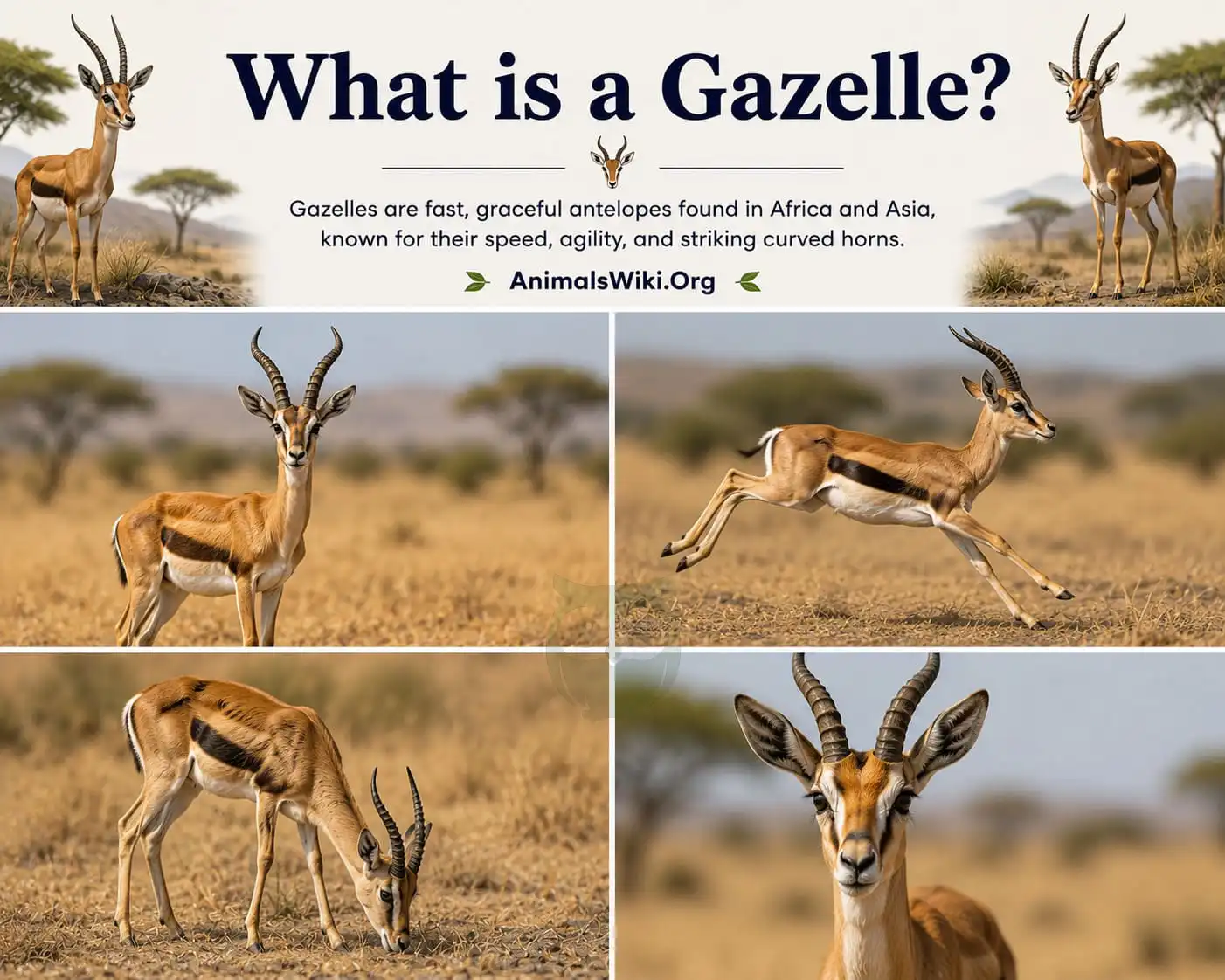
What is a Gazelle?
Gazelle Facts
| Feature | Details |
|---|---|
| Common Name | Gazelle (Mountain Gazelle — focus species) |
| Scientific Name | Gazella gazella (Mountain Gazelle) |
| Family | Bovidae |
| Order | Artiodactyla (Even-toed ungulates) |
| First Described | 1827 (by Eduard Rüppell) |
| Native Habitat | Open grasslands, savannahs, deserts, semi-arid shrublands across Africa and Asia |
| Geographic Range | Sub-Saharan Africa, North Africa, Middle East, Central and South Asia |
| Average Size | 85–105 cm shoulder height (species dependent) |
| Average Weight | 12–85 kg depending on species |
| Lifespan | 10–15 years (wild); up to 18 years (captivity) |
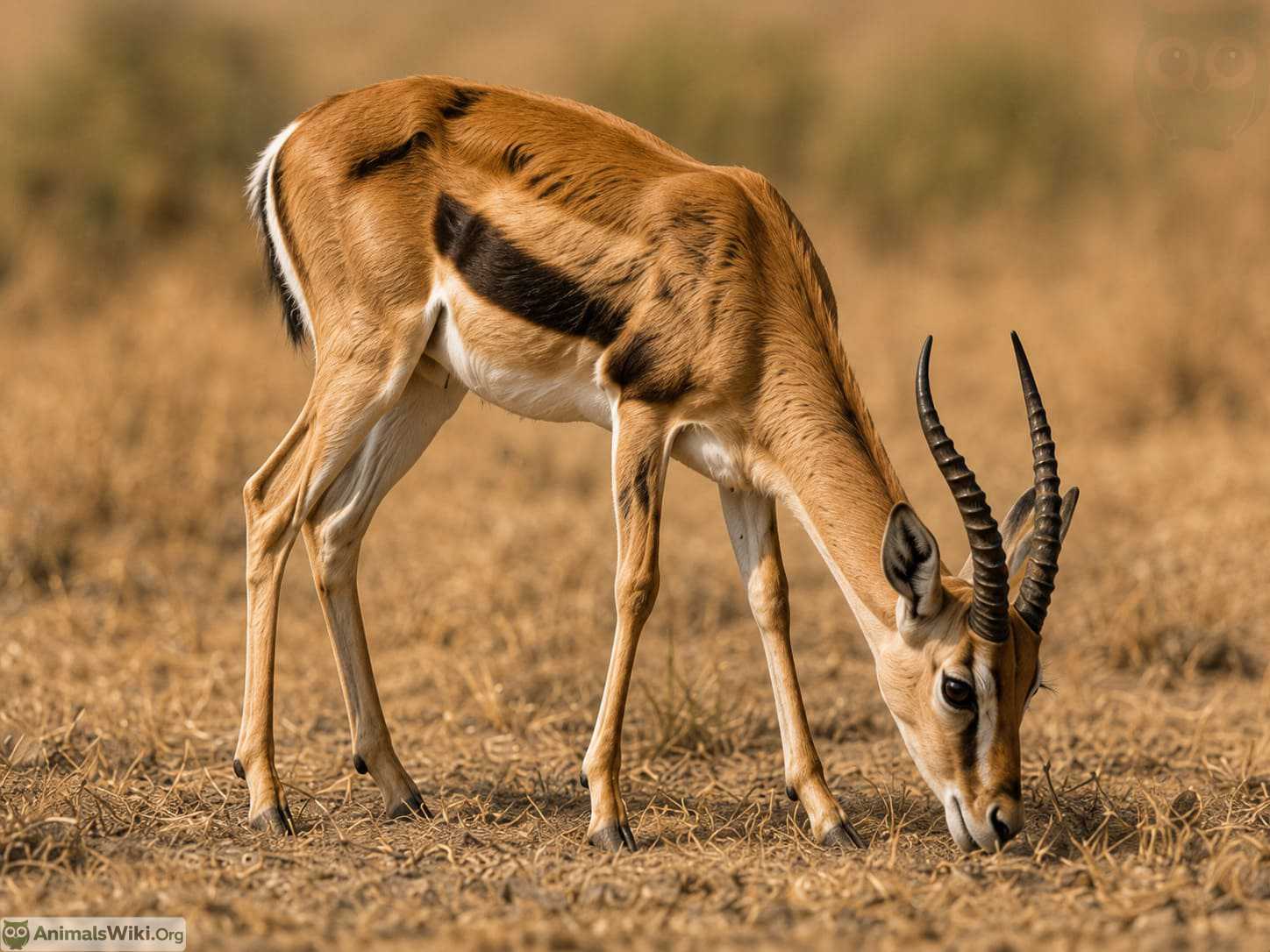
| Diet | Herbivore — grasses, leaves, shoots, flowers, and succulents |
| Conservation Status | Vulnerable (IUCN) — Mountain Gazelle; varies significantly by species |
| Defining Feature | Extraordinary speed and grace; ringed horns; “stotting” leap behavior; adapted for arid environments |
| Running Speed | Up to 97 km/h (60 mph); can sustain 80 km/h for extended periods |
1. Species Overview & Classification
Imagine the African savannah at dawn — the light still low and golden, the air cool before the day’s heat arrives. A cheetah crouches in the grass, eyes locked on a herd of Thomson’s gazelles grazing two hundred meters away. The cheetah launches — an explosive acceleration from zero to ninety kilometers per hour in seconds that is, biomechanically speaking, one of the most extraordinary events in terrestrial locomotion. And the gazelle it targets does something that no purely mechanical analysis of survival would predict.
It stots.
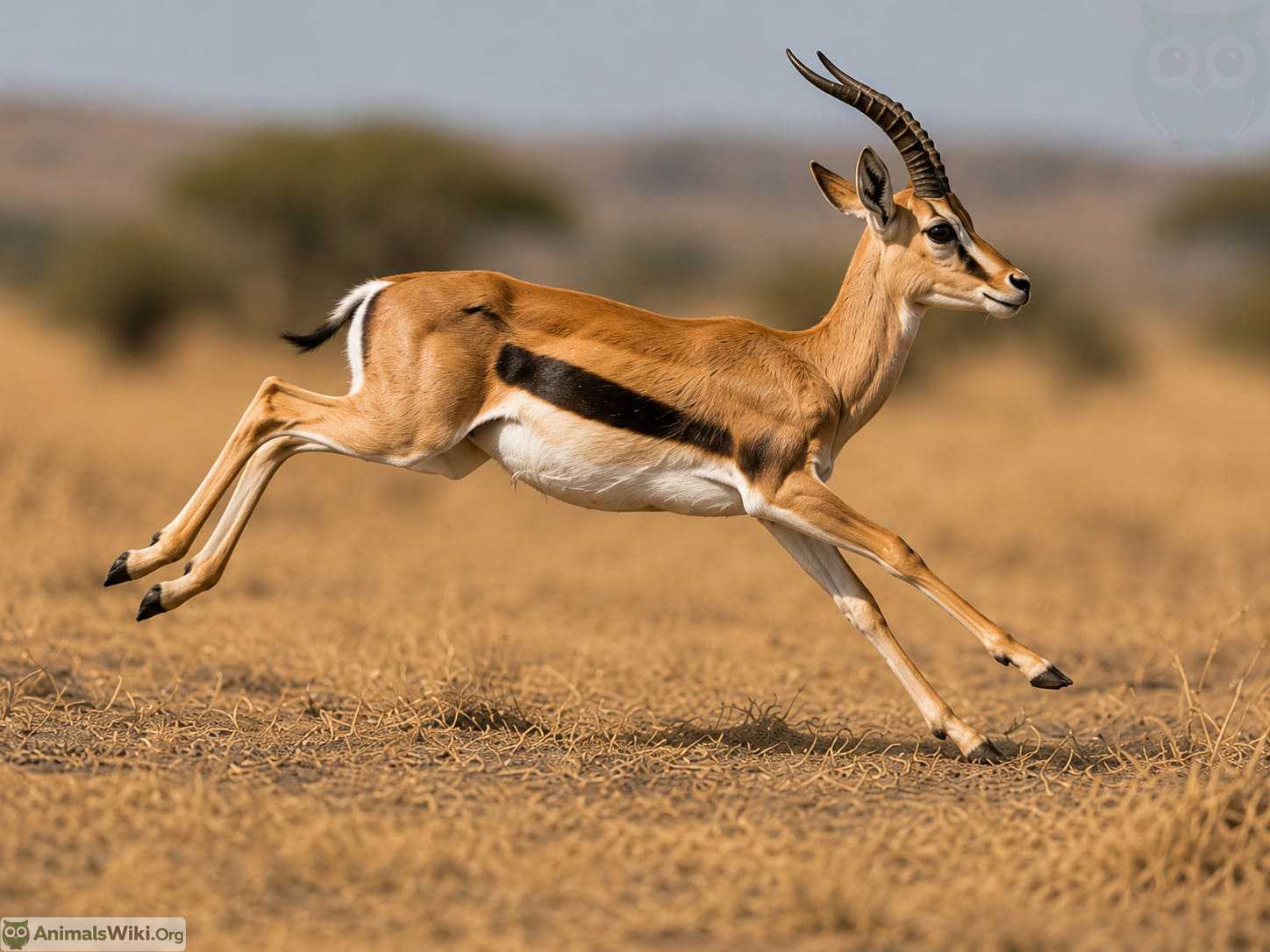
Launching itself vertically into the air — all four legs stiff, body arched, white rump patch flashing — the gazelle performs a series of high, bouncing leaps that would seem, to any rational observer, to be exactly the wrong response to being chased by the fastest land animal on Earth. It is using precious energy. It is not increasing the distance between itself and the predator. It is, apparently, showing off.
And yet it works. The cheetah breaks off the chase. Because what that extravagant, apparently suicidal leap is actually communicating is this: I am so fit, so healthy, so capable, that I can afford to waste energy showing you how fast I am. Don’t bother. You won’t catch me.
The gazelle — simultaneously the most elegant, the most athletic, and arguably the most behaviorally sophisticated prey animal on the African and Asian plains — is the subject of this guide. An animal so perfectly engineered for speed and endurance that it has become the defining image of grace under pressure in virtually every culture that has encountered it. An animal whose relationship with its predators has driven one of the most extraordinary evolutionary arms races in the natural world. And an animal of rapidly growing conservation concern — with multiple species now endangered or critically endangered as hunting, habitat loss, and desertification erode the wild landscapes on which they depend.
Species Classification Table
| Classification Level | Details |
|---|---|
| Kingdom | Animalia |
| Phylum | Chordata |
| Class | Mammalia |
| Order | Artiodactyla |
| Family | Bovidae |
| Subfamily | Antilopinae |
| Tribe | Antilopini |
| Genus | Gazella and related genera |
| Focus Species | Gazella gazella — Mountain Gazelle |
| Described By | Eduard Rüppell, 1827 |
Key Gazelle Species
| Species | Scientific Name | Range | IUCN Status |
|---|---|---|---|
| Thomson’s Gazelle | Eudorcas thomsonii | East Africa | Least Concern |
| Grant’s Gazelle | Nanger granti | East Africa | Least Concern |
| Dorcas Gazelle | Gazella dorcas | North Africa, Middle East | Vulnerable |
| Mountain Gazelle | Gazella gazella | Arabian Peninsula, Middle East | Vulnerable |
| Springbok | Antidorcas marsupialis | Southern Africa | Least Concern |
| Mongolian Gazelle | Procapra gutturosa | Central Asia | Least Concern |
| Goitered Gazelle | Gazella subgutturosa | Central Asia, Middle East | Vulnerable |
| Saharan Dama Gazelle | Nanger dama | Sahara/Sahel | Critically Endangered |
| Slender-horned Gazelle | Gazella leptoceros | Sahara | Critically Endangered |
| Arabian Gazelle | Gazella arabica | Arabian Peninsula | Vulnerable |
2. Physical Description & Unique Features
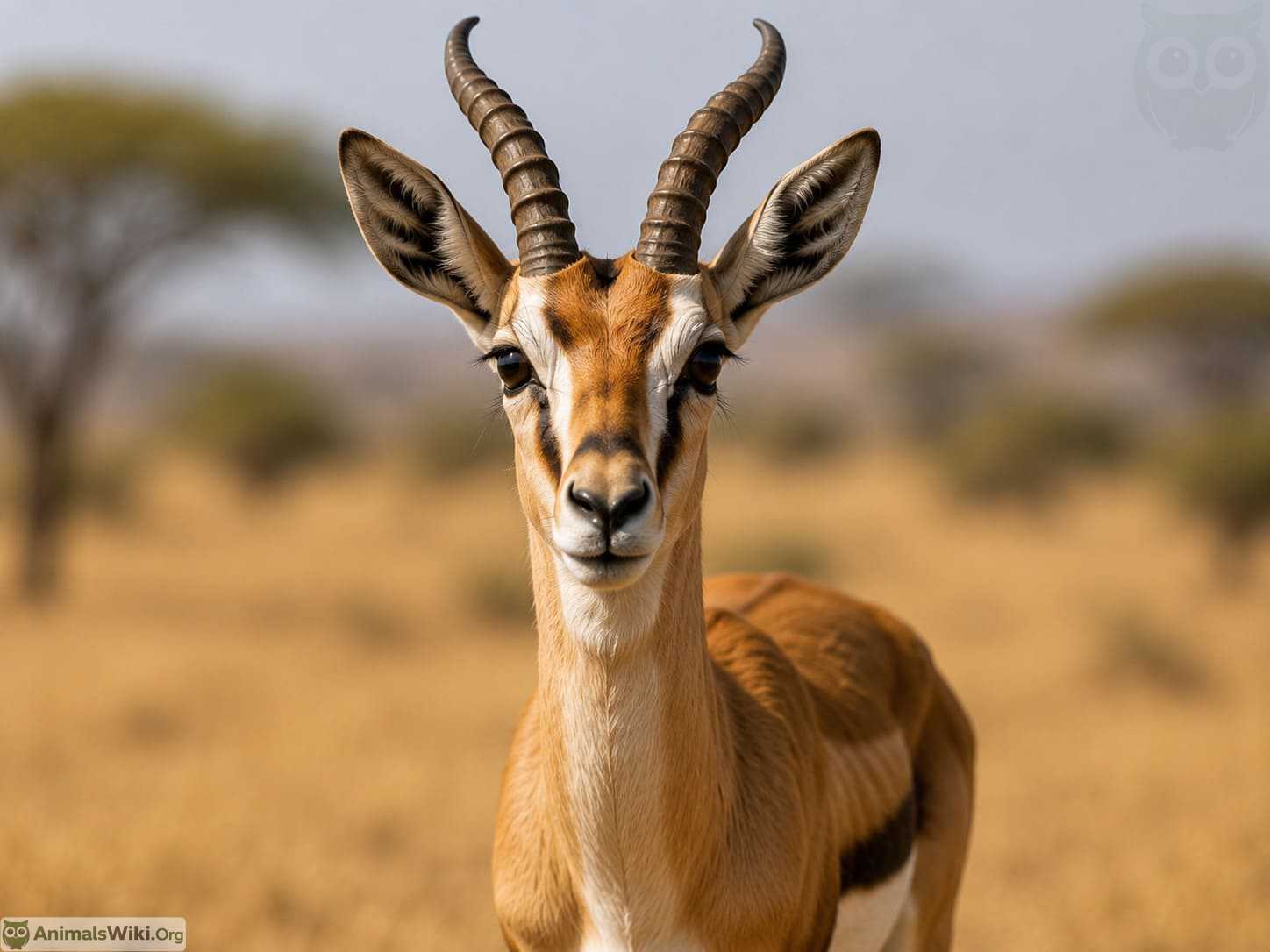
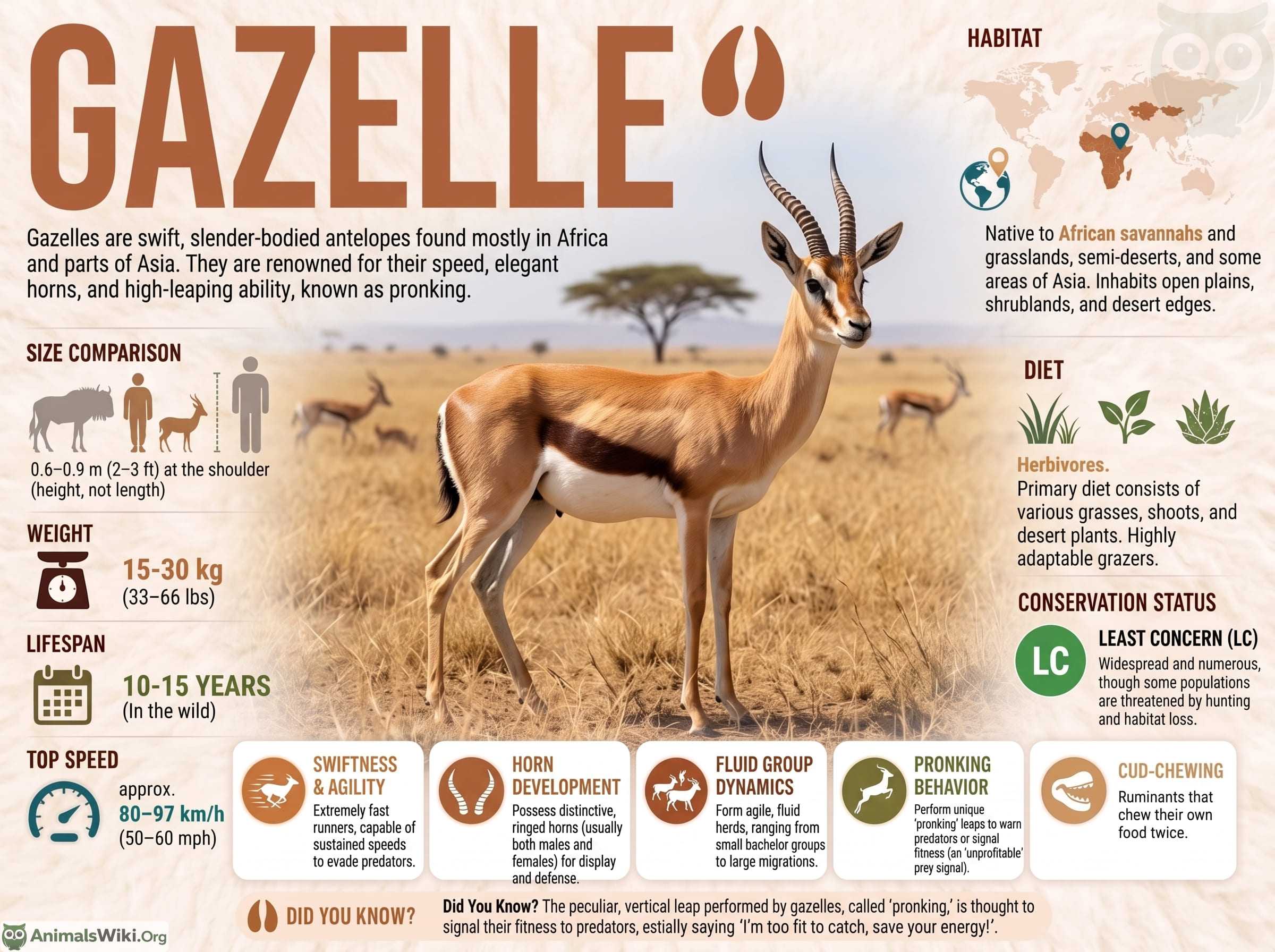
The gazelle’s physical form is one of the most aerodynamically and biomechanically refined in the mammalian world — every anatomical detail a precisely optimized solution to the twin challenges of running faster than predators and surviving in resource-limited arid environments.
Size and Build
Gazelles vary enormously in size across their 20+ species — from the tiny Speke’s Gazelle (Gazella spekei) standing just 50–60 cm at the shoulder and weighing 15–25 kg, to the large Grant’s Gazelle (Nanger granti) reaching 75–90 cm at the shoulder and weighing up to 80–85 kg. The focus species, the Mountain Gazelle, stands approximately 60–70 cm at the shoulder and weighs 12–30 kg.
Despite this size variation, all gazelles share the same fundamental body plan — one of the most elegant in the animal kingdom:
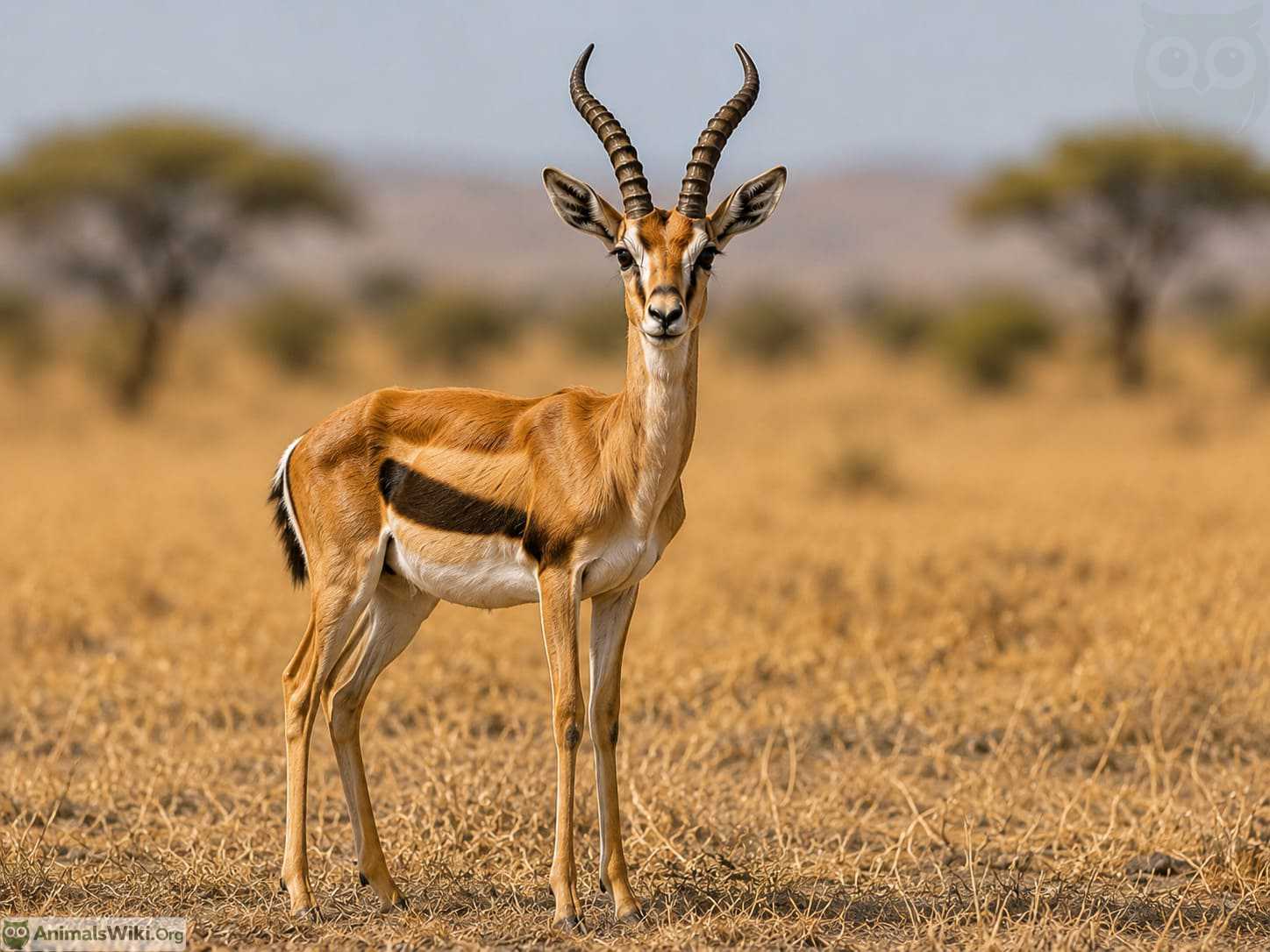
- A long, slender neck for efficient scanning of the horizon and accessing browse at different heights
- A deep, barrel-shaped chest housing lungs and a heart disproportionately large relative to body size — providing the oxygen delivery system necessary for sustained high-speed running
- Long, slender legs with a characteristic elongation of the lower leg segment (metatarsus) — the lever arm that translates muscle contraction into ground speed
- A compact, light body minimizing the mass that must be accelerated and decelerated during high-speed locomotion
- A short, upright tail — often flicked or wagged in alarm situations as a visual signal
The Speed Architecture
The gazelle’s legs deserve special attention as engineering marvels. The key adaptations for speed include:
Digitigrade stance — gazelles walk and run on the very tips of their toes (in fact, on two toes only — the middle two, enclosed in hooves), elevating the functional “ankle” high above the ground. This effectively extends the length of the leg and increases stride length.
Elastic tendon storage — the Achilles tendon and associated tendons of gazelle legs function as energy storage springs — storing elastic energy during the loading phase of each stride and releasing it during the push-off phase. This spring mechanism dramatically reduces the metabolic cost of running, allowing gazelles to sustain high speeds at metabolic costs far lower than would otherwise be possible.
Muscle mass distribution — the heavy muscle masses are located high on the leg (proximal), near the body, while the lower leg is mostly tendon and bone. This reduces the rotational inertia of the swinging leg, allowing very rapid stride frequency.
The Horns — A Study in Diversity
Gazelle horns are among the most diverse and beautiful in the bovid family — ranging from the gently curved, lyre-shaped horns of the Thomson’s Gazelle to the dramatically elongated, backward-sweeping horns of Grant’s Gazelle and the extraordinary spiral-twisted horns of the Gerenuk.
Key features of gazelle horns:
- Present in both sexes in most species — though females typically have shorter, more slender horns than males, or in some species may lack horns entirely
- Permanently attached — unlike deer antlers, bovid horns are never shed; they grow throughout the animal’s life
- Ringed with transverse ridges — the characteristic ringed appearance of gazelle horns results from growth rings that accumulate annually, similar to tree rings
- Keratinous sheath over bone core — the outer horn is made of keratin (the same protein as human fingernails) over a permanent bony core
Horn length and curvature serve multiple functions — male-male combat (the interlocking ring ridges provide grip during pushing contests), defense against predators, and species recognition and mate choice signal.
The Coloration System
Gazelle coloration follows a remarkably consistent pattern across species — a pattern that represents one of the most elegant compromises between camouflage and communication in the animal kingdom:
Dorsal surface — typically fawn to rufous brown, closely matching the dry grass and sandy soil of typical gazelle habitat; provides camouflage against the background when the animal is still
Ventral surface — white on the belly and inner legs; creates a counter-shading effect that reduces the three-dimensional shadow that would otherwise make the animal more visible against flat backgrounds
Lateral stripe — most gazelle species bear a dark horizontal stripe separating the brown dorsal coloration from the white ventral coloration; this stripe has been studied as a signal of individual identity and species recognition
White rump patch — virtually universal in gazelles; the white rump becomes highly visible when the tail is raised and the animal runs or stots; functions as an alarm signal — the white flash communicating “I have detected danger” to other herd members
The Large Eyes
The gazelle’s large, prominent eyes are positioned high and to the sides of the head — providing an almost 360-degree visual field that allows detection of approaching predators from virtually any direction without moving the head. The eyes contain a horizontal elliptical pupil that maximizes the visual field perpendicular to the horizon — the direction from which terrestrial predators approach.
Did You Know? The Thomson’s Gazelle — one of the most abundant gazelle species — has a heart that is approximately three times larger relative to body size than that of a horse. This extraordinary cardiac capacity provides the oxygen delivery system needed to sustain speeds of up to 80 km/h for extended periods — and to fuel the explosive acceleration needed to escape a cheetah’s initial rush. The gazelle’s cardiovascular system is studied by exercise physiologists as one of the most efficient oxygen delivery systems in the mammalian world.
3. Natural Habitat & Geographic Range
Gazelles are quintessentially animals of open, arid, and semi-arid environments — the grasslands, savannahs, deserts, and semi-desert shrublands of Africa and Asia that present the twin challenges of limited water and exposed terrain that gazelle biology is precisely adapted to address.
The Open Landscape Specialists
The gazelle’s entire behavioral and physiological toolkit — the speed, the wide visual field, the stotting behavior, the water-efficient physiology — only makes sense in the context of open landscapes where predators are visible at distance, where speed can translate into survival, and where water sources may be scarce or seasonally absent.
Grassland and savannah — the primary habitat for most African species; Thomson’s and Grant’s Gazelles are the defining large mammals of East African short-grass plains and mixed grassland-savannah
Semi-arid shrubland — occupied by Dorcas, Mountain, and various other gazelles across North Africa and the Middle East; characterized by sparse shrub cover, sandy or rocky substrate, and irregular rainfall
True desert — several species, including the Dorcas Gazelle and the Slender-horned Gazelle, penetrate the core of the Sahara and Arabian deserts; these are among the most drought-adapted large mammals on Earth
Steppe and sub-desert — the Mongolian Gazelle and Goitered Gazelle occupy the vast Central Asian steppe systems — a different landscape from African savannah but ecologically analogous in its openness and aridity
Montane habitat — the Mountain Gazelle occupies rocky hillsides and mountain slopes in the Arabian Peninsula and Levant — one of the few gazelle species specifically adapted to rough, hilly terrain rather than flat plains
Habitat Range by Region
| Region | Key Species | Habitat Type | Population Status |
|---|---|---|---|
| East Africa (Kenya, Tanzania) | Thomson’s, Grant’s | Short-grass plains, savannah | Relatively stable; Thomson’s declining |
| West and Central Africa | Dama, Red-fronted | Sahel, sub-desert | Critically declining |
| North Africa (Sahara) | Dorcas, Slender-horned, Dama | Desert, semi-desert | Severely declining |
| Middle East (Arabia, Levant) | Mountain, Arabian, Dorcas | Semi-desert, montane | Significantly declining |
| Central Asia (Mongolia, Kazakhstan) | Mongolian, Goitered | Steppe, semi-desert | Variable; Mongolian relatively stable |
| South Asia (India, Pakistan) | Chinkara, Blackbuck (related) | Grassland, scrub | Declining |
| Southern Africa | Springbok | Arid savannah, Karoo | Stable; reintroduced widely |
Seasonal Movements and Migration
Several gazelle species undertake significant seasonal movements in response to rainfall patterns, grass growth, and predator pressure:
Thomson’s Gazelle migration — participates in the Great Migration of the Serengeti-Mara ecosystem alongside wildebeest and zebra; following the rain-driven growth of short grasses across a circuit of hundreds of kilometers
Mongolian Gazelle migration — one of the last great mammalian mass migrations on Earth; hundreds of thousands of animals moving across the Mongolian steppe in seasonal circuits covering hundreds of kilometers; largely unknown to Western audiences but comparable in scale to the Serengeti migration
Springbok treks — historically, springbok undertook enormous “trekbokkens” (mass migrations) of millions of animals across southern Africa; these have been ended by agricultural fencing but remain part of the species’ behavioral heritage
Did You Know? The Mongolian Gazelle (Procapra gutturosa) undertakes one of the last great mass animal migrations on Earth — a seasonal movement of hundreds of thousands to over a million animals across the open steppe of Mongolia and northern China that is largely unknown outside of specialist conservation circles. Unlike the famous Serengeti migration which attracts global tourism, the Mongolian Gazelle migration crosses largely uninhabited steppe with minimal human observation — making it simultaneously one of the world’s most spectacular and least witnessed wildlife events.
4. Diet & Feeding Behavior
The gazelle’s dietary strategy represents a remarkable evolutionary solution to the challenge of maintaining a large, high-performance body on the sparse vegetation of arid and semi-arid landscapes — combining physiological water independence with flexible dietary switching that tracks the highly variable productivity of open-country vegetation.
What Gazelles Eat
All gazelles are strict herbivores — consuming no animal material under any circumstances. Within this broad category, gazelle diets are remarkably flexible:
Grasses — the foundation of most gazelle diets across the year; different species show preferences for different grass growth stages (fresh versus dry) and grass species
Forbs (broad-leaved herbs) — consumed preferentially when available; higher protein and water content than dry grass
Leaves and shoots — browsed from shrubs and low trees, particularly important in the dry season when grass quality declines
Flowers — consumed when available; high sugar and protein content
Succulents — plants with high water content (various species of Euphorbia, wild cucumbers, melons); critically important for water intake in desert species
Seeds and pods — particularly valuable for their high caloric and protein content
Bark and stems — consumed in extremes of drought when other food is unavailable
The Water Independence Adaptation
The most physiologically extraordinary aspect of gazelle feeding ecology is the ability of several species to survive entirely without drinking water — extracting all required moisture from the plants they consume.
The Dorcas Gazelle and several other desert-adapted species are among the most water-independent large mammals on Earth:
- They can survive indefinitely on the metabolic water produced by oxidizing food compounds and the water content of succulent plants
- Their kidneys are highly efficient — producing very concentrated urine with minimal water loss
- They reduce water loss through nasal heat exchange — warming and humidifying inhaled air through a complex nasal structure that also recovers water from exhaled breath
- During the hottest parts of the day, they become inactive — sheltering in shade to reduce metabolic heat production and associated water requirements
This water independence is not merely interesting physiologically — it is what allows desert gazelles to inhabit the core of the Sahara and Arabian deserts, far from permanent water sources, exploiting vegetation resources unavailable to species requiring regular drinking.
Feeding Ecology and Niche Differentiation
Where multiple gazelle species co-occur — as Thomson’s and Grant’s Gazelles do across much of East Africa — they typically show dietary niche differentiation that reduces competition:
Thomson’s Gazelle — primarily a grazer (grass eater); highly selective for short, fresh grass of high nutritional quality; follows wildebeest and other large grazers that remove tall, coarse grass, exposing the short, nutritious growth that Thomson’s prefer
Grant’s Gazelle — more of a mixed feeder (grazer and browser); less dependent on short fresh grass; can utilize taller grass and browse that Thomson’s avoid; therefore less dependent on the same specific vegetation conditions
This dietary differentiation allows the two species to co-exist at high densities across the same landscape — partitioning the vegetation resource in ways that reduce direct competitive exclusion.
Diet Breakdown Table
| Food Type | % of Annual Diet | Peak Season | Notes |
|---|---|---|---|
| Grasses | 40–60% | Wet season | Fresh growth preferred; declines in quality in dry season |
| Forbs and herbs | 20–35% | Wet season | High protein and water content |
| Leaves and browse | 10–20% | Dry season | Increases as grass quality declines |
| Flowers and fruits | 5–10% | Seasonal | Consumed when available |
| Succulents | 2–15% | Dry season | Critical for water in desert species |
| Seeds and pods | 2–5% | Post-rain | High energy value |
5. Reproduction & Life Cycle
The gazelle’s reproductive strategy reflects its position as a prey species in ecosystems with intense predation pressure — rapid sexual maturity, relatively short gestation, and fawns that must be mobile and concealed from predators almost from birth.
Breeding Seasonality
Gazelle breeding seasonality varies significantly across species and latitudes:
Tropical African species (Thomson’s, Grant’s) — can breed year-round but typically show a peak breeding season correlated with rainfall patterns that ensure fawns are born when vegetation productivity is highest
Temperate and arid-zone species (Mongolian, Goitered, Mountain) — more strictly seasonal; breeding timed so that fawns are born in spring and early summer when food is most abundant and temperatures are optimal
Desert species (Dorcas, Slender-horned) — breeding timed to the limited rainfall seasons; highly responsive to environmental cues including rainfall and grass green-up
Male Rutting Behavior
During the breeding season, male gazelles establish and defend territories or compete directly for females in more fluid dominance hierarchies depending on species:
Territorial species (many African gazelles) — males establish defended areas of grassland that contain females; territorial defense involves:
- Parallel walking — two rival males walk side-by-side, displaying their bodies and horn length to each other; most disputes are resolved at this stage without physical contact
- Head-to-head horn wrestling — when parallel walking fails to resolve the dispute; males lock horns and push, leverage, and twist; serious injuries from horn penetration occur occasionally
- Scent marking — males mark territory boundaries with dung piles, urine, and secretions from preorbital glands (scent glands located in front of the eyes)
- Herding behavior — males actively herd females within their territory, preventing them from leaving
Non-territorial species (Mongolian Gazelle) — the vast nomadic herds make fixed territory defense impractical; males compete more directly for access to females within the moving herd
Gestation and Birth
- Gestation period: 150–180 days (approximately 5–6 months) — species variable
- Litter size: Almost always a single fawn — twins are rare (approximately 2–5% of births in most species)
- Birth weight: Typically 1.5–3.5 kg depending on species
- Birth season: Timed to maximize fawn survival through food availability and temperature
The “Hider” Strategy — Protecting the Newborn
The newborn gazelle fawn faces immediate, intense predation risk in the exposed landscapes where gazelles live. The evolutionary solution is a behavioral strategy called “hider” behavior:
Immediately after birth, the fawn:
- Is hidden by the mother in dense grass or scrub
- Lies completely motionless — relying on its spotted coat and scent reduction (newborns produce very little detectable scent) for concealment
- The mother moves away from the hiding site — reducing predator attraction to the area
- The mother returns periodically to nurse (typically 2–3 times per day) — nursing sessions are brief to minimize time at the hiding site
This strategy is highly effective against visually-hunting predators but less effective against scent-tracking predators like hyenas. The fawn begins running with the herd within 1–2 weeks of birth as its strength and coordination develop.
Development and Maturity
| Stage | Timing | Development |
|---|---|---|
| Birth | Day 0 | 1.5–3.5 kg; spotted for camouflage; lies hidden |
| First standing | Within 30 minutes | Precocial; mobile very rapidly |
| Running ability | Day 3–7 | Can run at reasonable speed |
| Joining herd | Day 7–14 | Begins moving with mother |
| Weaning | 3–4 months | Increasingly independent feeding |
| Horn development | 3–6 months | Horn buds visible and growing |
| Sexual maturity | 6–18 months | Species variable; females generally earlier |
| Full adult size | 12–24 months | Complete physical development |
Lifespan Comparison
| Species | Average Lifespan (Wild) | Average Lifespan (Captivity) |
|---|---|---|
| Mountain Gazelle | 10–12 years | Up to 18 years |
| Thomson’s Gazelle | 10–15 years | Up to 17 years |
| Grant’s Gazelle | 12–15 years | Up to 18 years |
| Springbok | 7–10 years | Up to 15 years |
| Dorcas Gazelle | 10–12 years | Up to 17 years |
| Impala (related) | 12–15 years | Up to 17 years |
Did You Know? Newborn gazelle fawns produce almost no detectable scent for the first few days of life — a remarkable physiological adaptation that makes them nearly invisible to scent-tracking predators when they lie hidden in grass. The mother gazelle further reduces the scent trail to the hiding site by consuming the fawn’s waste products immediately after nursing visits. This multi-layered scent concealment strategy has been studied by chemists and ecologists as one of the most sophisticated anti-predator adaptations in the mammalian world.
6. Social Behavior & Communication
The gazelle’s social life is organized around the twin imperatives of predator detection and reproductive competition — producing a behavioral complexity that is sophisticated, well-studied, and endlessly fascinating to observe.
Social Organization
Gazelle social systems vary considerably between species but follow general patterns:
Female herds — the basic social unit in most gazelle species is a group of females and their young, moving together across the landscape. Group size varies from a few individuals in poorer habitats to hundreds or thousands in the East African migrations. The benefits of grouping are primarily anti-predator — more eyes watching, more effective alarm propagation, and the dilution effect (lower individual probability of being selected from a larger group).
Male territories — during the breeding season, males establish and defend territories through which female groups move; outside the breeding season, males often form bachelor groups — non-territorial male aggregations ranging from a few individuals to large groups.
Mixed herds — outside the breeding season, some species form large mixed-sex herds, particularly during migrations.
Solitary males — older territorial males may be largely solitary except when females are present in their territories.
Communication Repertoire
Visual signals:
- Stotting/Pronking — the extraordinary high, stiff-legged leap that communicates predator detection and individual fitness; described in detail in the predators section
- White rump flash — the highly visible white rump patch, revealed when the tail is raised, functions as a visual alarm signal propagating through the herd
- Ear position — forward-pointing ears signal alertness; relaxed ears signal calm
- Horn presentation — males present their horns laterally during threat displays to rivals
Olfactory signals:
- Preorbital gland secretions — males mark territorial boundaries and vegetation with secretions from the preorbital glands (the dark streaks visible in front of gazelle eyes)
- Dung piles — males deposit dung at territory boundaries; often investigating and depositing on top of rivals’ dung
- Urine marking — males urinate at regular marking points within their territories
Vocalizations:
- Snort — sharp exhalation signaling alarm; often accompanies foot stamping
- Whistling calls — contact calls between mothers and fawns; specific call patterns allow mothers to locate their own fawn among many
- Rutting grunts — deep vocalizations by males during breeding season
7. Predators & Defense Mechanisms
The gazelle exists at the center of one of the natural world’s most extraordinary and best-studied predator-prey relationships — a multi-species complex of predator and prey that has driven extraordinary evolutionary innovation on both sides.
Natural Predators
Primary pursuit predators:
- Cheetah (Acinonyx jubatus) — the primary specialized gazelle predator; the cheetah-gazelle relationship has driven the extraordinary speed evolution of both species through an evolutionary arms race spanning millions of years
- African Wild Dog (Lycaon pictus) — hunts gazelles through cooperative pack hunting and extended pursuit; able to catch gazelles through stamina rather than pure speed
- Grey Wolf (Canis lupus) — significant predator of gazelles in Central Asia; pack hunting allows wolves to take adult gazelles
Ambush and opportunistic predators:
- Leopard (Panthera pardus) — ambush predator; takes gazelles when available
- Lion (Panthera leo) — generally prefers larger prey but takes gazelles opportunistically
- Spotted Hyena (Crocuta crocuta) — takes fawns readily; can chase and exhaust adult gazelles
- Caracal (Caracal caracal) — significant predator of smaller gazelle species in arid environments
Aerial predators:
- Martial Eagle (Polemaetus bellicosus) — takes fawns
- Tawny Eagle and other large eagles — fawn predators
The Stotting Mystery — Solved
The gazelle’s most famous behavioral feature — stotting (also called pronking in South Africa) — is the extraordinary behavior of repeatedly leaping high into the air with stiff legs when a predator is detected. For decades, this behavior puzzled biologists: why would a prey animal waste precious energy on aerial acrobatics when its survival depended on running away?
The answer, developed primarily by evolutionary biologist Amotz Zahavi and subsequently tested and confirmed by Timothy Caro and others, is a concept called honest signaling or the handicap principle:
The stott is a signal directed at the predator — communicating: “I have detected you. I am sufficiently fit and healthy that I can afford to waste energy showing you this. If you chase me, I will escape. Choose a different target.”
For this signal to be honest (and therefore evolutionarily stable), it must be costly — only genuinely fit animals can afford to stott convincingly. Weak, injured, or nutritionally depleted animals cannot sustain high stotts. Therefore:
- Predators use stotting as a screening mechanism — targeting non-stotting or weakly stotting individuals
- Gazelles that stott most convincingly are less likely to be chased
- This creates selection pressure for the most fit gazelles to stott most vigorously — because it genuinely repels predator attention
Experimental studies by Timothy Caro confirmed that cheetahs were significantly less likely to initiate a chase against stotting gazelles than against non-stotting individuals — validating the honest signal interpretation.
Speed as the Ultimate Defense
For gazelles that are chased despite stotting (or that fail to detect the predator before it launches its attack), speed is the final defense:
- Thomson’s Gazelle reaches top speeds of approximately 80–90 km/h
- The cheetah reaches approximately 97–120 km/h in initial sprint
- The cheetah therefore has a speed advantage — but only in the first 200–300 meters of the chase
- After this distance, the cheetah begins to overheat and must slow; the gazelle can sustain high speeds for much longer
- The gazelle’s evasive turning ability — sharp directional changes at high speed — exploits the cheetah’s superior straight-line speed without equivalent turning speed
Approximately 40–50% of cheetah chases end without a kill — the gazelle’s combination of detection distance, stotting assessment, initial acceleration, and turning ability making successful predation the exception rather than the rule.
8. Relationship with Humans
Ancient Relationships — Art, Symbol, and Sustenance
The gazelle is among the oldest subjects of human artistic and cultural attention — appearing in cave paintings and rock art across Africa and the Middle East dating back tens of thousands of years, long before domesticated livestock or written language existed.
For the hunter-gatherer peoples of Africa and Asia, the gazelle was one of the primary large prey animals — its speed and alertness making it a challenging and respected quarry. Archaeological evidence from sites across the Middle East and Africa documents extensive gazelle hunting stretching back to pre-agricultural times, with gazelle bones forming a major component of faunal assemblages at human occupation sites.
In ancient Mesopotamia and Egypt, gazelles were depicted in art and literature as symbols of beauty, grace, and speed. Ancient Egyptian hieroglyphs use the gazelle as a symbol; Mesopotamian cylinder seals frequently depict gazelles alongside hunting scenes and mythological narratives.
Pre-Islamic Arabian culture produced an extraordinary body of poetry celebrating the gazelle — the ghazal poetic form (one of the most important in Arabic, Persian, Urdu, and other literary traditions) takes its name from the Arabic word for gazelle (ghazāl), and the gazelle became a central metaphor for beauty, longing, and the beloved in classical Arabic love poetry.
Falconry and Hunting Traditions
The gazelle’s speed made it the pre-eminent quarry animal for the ancient sport of falconry and coursing (hunting with fast hounds) across the Middle East and Central Asia — practices documented since at least 3000 BC in Mesopotamian records.
The Saluki dog — one of the world’s oldest dog breeds, developed specifically for gazelle hunting across the Middle East and Central Asia — was selectively bred over thousands of years for the speed and stamina needed to course gazelles. The Saluki’s extraordinary physical characteristics (deep chest, slender waist, long legs) directly reflect the selection pressure of gazelle hunting.
Modern falconry with houbara bustards has largely replaced gazelle hunting in traditional Gulf culture, but the historical association between gazelles and the hunting tradition of the Arabian Peninsula remains culturally significant.
Modern Conservation Relationship
The modern human-gazelle relationship is dominated by conservation challenges — as hunting, habitat loss, and desertification have driven dramatic declines in multiple species across their ranges.
Hunting — both subsistence and trophy hunting — has severely impacted gazelle populations across North Africa, the Middle East, and Central Asia. The introduction of motor vehicles and automatic weapons in the 20th century transformed what had been a challenging, traditional hunt into an efficient, often unsustainable exploitation.
Captive breeding programs — several critically endangered gazelle species are maintained in captive breeding programs at zoos and specialized wildlife centers, particularly in the Arabian Gulf states. The Arabian Oryx (a close relative) was the first animal extinct in the wild to be successfully reintroduced through captive breeding — a model that is being applied to gazelle species including the Dama Gazelle.
Did You Know? The ghazal — one of the most important poetic forms in Arabic, Persian, Urdu, Turkish, and other literary traditions — takes its name from the Arabic word for gazelle (غزال, ghazāl). The poetic form, characterized by rhyming couplets and a refrain that explores themes of beauty, longing, and the pain of love, developed from pre-Islamic Arabic poetry in which the gazelle was the supreme metaphor for the beloved — its grace, speed, and dark eyes representing the ideal of beauty in classical Arabic aesthetics. From Rumi to Hafez to Ghalib, the greatest poets of the Islamic literary tradition have used the gazelle as their central metaphor for divine and human love.
9. Conservation Status & Threats
IUCN Status by Species
| Species | IUCN Status | Population Trend | Estimated Population |
|---|---|---|---|
| Thomson’s Gazelle | Least Concern | Decreasing | 500,000+ |
| Grant’s Gazelle | Least Concern | Stable | 140,000+ |
| Springbok | Least Concern | Stable | 2–2.5 million |
| Mongolian Gazelle | Least Concern | Stable | 1–2 million |
| Dorcas Gazelle | Vulnerable | Decreasing | <100,000 |
| Mountain Gazelle | Vulnerable | Decreasing | <10,000 |
| Goitered Gazelle | Vulnerable | Decreasing | Unknown |
| Dama Gazelle | Critically Endangered | Decreasing | <500 |
| Slender-horned Gazelle | Critically Endangered | Decreasing | <1,000 |
Key Threats
1. Hunting and Poaching Uncontrolled hunting — both for subsistence and commercial purposes — is the most immediate and severe threat to many gazelle populations. The introduction of motor vehicles and automatic weapons across North Africa, the Middle East, and Central Asia in the 20th century transformed traditional gazelle hunting from a sustainable subsistence activity into a devastating industrial-scale exploitation. In parts of the Sahara and Arabian Peninsula, formerly abundant species have been hunted to near-extinction within living memory.
2. Habitat Loss and Degradation Agricultural expansion — converting grassland and steppe to cropland — has eliminated vast areas of gazelle habitat across Asia and Africa. Overgrazing by domestic livestock degrades the quality of remaining habitat by removing the vegetation that gazelles depend on and compacting soils that reduce plant productivity. Desertification — the spread of desert conditions driven by climate change and overuse — is eliminating productive semi-arid habitats across the Sahel, Middle East, and Central Asia.
3. Fencing and Infrastructure The construction of fences, roads, and other infrastructure across previously open landscapes fragments gazelle populations and blocks the migration routes on which species like the Mongolian Gazelle depend. The historical springbok treks of southern Africa were ended primarily by agricultural fencing — demonstrating how quickly infrastructure can eliminate the movement behaviors of millions of animals.
4. Competition with Domestic Livestock Domestic livestock — particularly goats and camels in arid regions — compete directly with gazelles for the sparse vegetation of semi-arid and desert environments. In areas of high livestock density, gazelles may be excluded from previously occupied areas through both direct competition and habitat degradation.
5. Climate Change The expansion of desert conditions, reduction of rainfall, and increased frequency of drought events associated with climate change are directly reducing the productivity and extent of gazelle habitat across the Saharan, Arabian, and Central Asian regions. Species already restricted to small, fragmented populations are particularly vulnerable to the additional stress of climate-driven habitat deterioration.
10. Famous Gazelles Around the World
The Cheetah-Gazelle Relationship — Science’s Most Studied Predator-Prey System
The Thomson’s Gazelle and Cheetah relationship in the Serengeti-Mara ecosystem is the most thoroughly studied predator-prey system in behavioral ecology — generating foundational insights into predator hunting strategy, prey evasion behavior, stotting as honest signaling, and the evolutionary arms race between speed and maneuverability. Research by George Schaller, Hans Kruuk, Timothy Caro, and many subsequent scientists has produced hundreds of publications and fundamentally shaped our understanding of predator-prey dynamics.
The Arabian Oryx Precedent
While not a gazelle (it is an Oryx), the Arabian Oryx (Oryx leucoryx) — a close bovid relative — provides the most inspirational conservation story in the gazelle’s cultural orbit. Declared extinct in the wild in 1972, the species was saved through a World Herd captive breeding program and successfully reintroduced to Oman, the UAE, and other Gulf states from 1982 onward. By 2026, wild populations exceed 1,000 animals. This success story directly informs conservation programs for critically endangered gazelle species including the Dama Gazelle.
Israel’s Mountain Gazelle Recovery
The Mountain Gazelle (Gazella gazella) population of Israel has been the subject of one of the most intensively managed wildlife conservation programs in the Middle East. From a low of fewer than 3,000 animals in the 1980s, the Israeli population recovered to approximately 14,000 by the early 2010s following legal protection, habitat management, and public education. However, subsequent urban expansion and road development have created new pressures, and the population requires ongoing management attention. This program is studied internationally as a model for medium-sized ungulate conservation in fragmented, human-dominated landscapes.
The Al Maha Desert Resort, Dubai
The Al Maha Desert Resort and Spa — located within the Dubai Desert Conservation Reserve — maintains a successful captive breeding population of Arabian Gazelles (Gazella arabica) and has become internationally recognized as a model for combining luxury ecotourism with genuine wildlife conservation. Guests observe wild-ranging gazelles from the resort; the conservation program has established a reservoir population that contributes to regional conservation efforts.
11. Role in Ecosystem & Food Chain
As Prey — The Foundation of Predator Ecology
The gazelle’s ecological role as primary prey for the major predators of African and Asian open-country ecosystems is fundamental and irreplaceable. Thomson’s Gazelle alone constitutes approximately 60–70% of the diet of cheetahs in the Serengeti — making the gazelle population essentially the energetic foundation on which the cheetah population is built. Wild Dog and Leopard similarly depend heavily on gazelles across portions of their ranges.
The productivity of gazelle prey populations directly determines the carrying capacity of the entire predator community — lions, cheetahs, leopards, wild dogs, and hyenas all depend on prey populations that include gazelles as a critical component.
As Grazers — Shaping Vegetation Structure
Gazelles are not passive inhabitants of grassland ecosystems — they are active agents of vegetation structure through their selective grazing and browsing:
Selective grazing — gazelles preferentially consume the most nutritious, high-quality vegetation, which tends to be the shortest, most actively growing grass. This selective pressure stimulates plant growth (moderate grazing typically increases grass productivity by stimulating tillering and new growth) and influences plant community composition.
Nutrient cycling — gazelle dung and urine return nutrients to the soil in forms accessible to plants; the spatial distribution of grazing animals determines where these nutrients are deposited, influencing vegetation patchiness across the landscape.
Seed dispersal — gazelles are significant seed dispersers for many grassland plant species; seeds pass through the digestive system and are deposited at distances from the parent plant, with germination often enhanced by the passage through the digestive tract.
As Prey for Raptors and Smaller Predators
Gazelle fawns are a critical food resource for numerous raptor species — martial eagles, tawny eagles, and other large African and Asian raptors depend on gazelle fawns as a high-quality, seasonally abundant prey source during the fawning season. Fawns also sustain populations of jackals, caracals, and servals that would find adult gazelles inaccessible.
Indicator Species
The population health and behavior of gazelle herds serves as a sensitive indicator of ecosystem condition — their abundance and distribution reflecting grass quality, water availability, predator pressure, and human disturbance. Wildlife managers across Africa and Asia use gazelle population trends as key indicators of broader ecosystem health.
12. Myths, Culture & Pop Culture Appearances
Arabic and Islamic Literary Traditions
As described in the human relationships section, the gazelle occupies a unique and profound position in Arabic and Persian literary culture — through the ghazal poetic form and the extensive use of gazelle imagery as a metaphor for beauty and the beloved.
The dark, kohl-rimmed eyes of the gazelle have been a universal standard of female beauty in Arabic, Persian, Urdu, and related literary traditions for over a thousand years. Classical Arabic poetry describes the beloved’s eyes as “the eyes of a gazelle” (‘uyūn al-ghazāl) — the liquid darkness, the long lashes, and the quality of luminous vulnerability creating the perfect metaphor for both earthly and divine beauty.
Persian poetry — particularly the Sufi tradition represented by Rumi, Hafez, and others — uses the gazelle as a complex symbol of the soul’s pursuit of divine truth, the lover’s pursuit of the beloved, and the ephemeral nature of earthly beauty. The ghazal form itself — in which the poet traditionally names himself in the final couplet — has been described as structurally mirroring the gazelle’s pattern of movement across the landscape.
Urdu ghazals — the great tradition of Urdu poetry developing from Persian roots — carry the gazelle metaphor forward into the modern period; poets including Mirza Ghalib, Faiz Ahmed Faiz, and contemporary Urdu poets continue to use gazelle imagery in both traditional and innovative ways.
Heraldic and National Symbolism
The gazelle appears as a national or cultural symbol across numerous countries in its range:
- Qatar — the gazelle (al-ri’m in Arabic) is a national symbol; the country maintains significant wildlife reserves specifically for gazelle conservation
- UAE — gazelles are central to the national conservation narrative; the establishment of desert reserves protecting gazelle populations is a significant element of UAE environmental policy
- Israel — the Mountain Gazelle is effectively a national animal; its population recovery is a source of national pride and features prominently in environmental education
Pop Culture Appearances
- “Planet Earth” (BBC, 2006) and “Planet Earth II” (BBC, 2016) — the cheetah-gazelle chase sequences in both series are among the most watched nature documentary moments in television history; the BBC’s extraordinary slow-motion footage of a cheetah-Thomson’s Gazelle chase has been viewed hundreds of millions of times worldwide
- “Africa” (BBC, 2013) — Thomson’s Gazelle featured in extraordinary Great Migration footage
- “Zootopia” (Disney, 2016) — Gazelle (voiced by Shakira) is the world-famous pop star in the film’s fictional animal city; the character’s design draws directly on Thomson’s Gazelle characteristics
- Shakira’s role as Gazelle in Zootopia introduced the character to a global audience of children; Shakira’s theme song “Try Everything” won numerous awards and became associated with the character globally
- “The Gazelle’s Song” and numerous Arabic and Persian classical texts — literary appearances too numerous to catalog
- Athletic metaphor — “gazelle” is used as the highest compliment in athletics writing to describe exceptional speed and grace in running; numerous elite athletes have been described as running “like a gazelle”
Did You Know? The Disney/Pixar animated character Gazelle in Zootopia (2016) — voiced by Shakira — introduced the gazelle to a generation of global film audiences as a glamorous, kind-hearted pop superstar. Shakira herself has described the experience of voice-acting a gazelle as personally meaningful, noting that she spent considerable time studying actual gazelle movement and behavior for inspiration. The film’s commentary on prejudice and the importance of individual character over species identity resonated globally, and Gazelle’s role as the film’s moral center gave the species an unprecedented pop cultural moment.
13. Discovery & Evolution Timeline
~20 million years ago — The family Bovidae (cattle, antelopes, sheep, goats) diverges from other ruminants during the Miocene; early bovids are forest-dwelling browsers.
~15 million years ago — The subfamily Antilopinae — containing gazelles and related antelopes — begins to differentiate; early gazelle-like forms appear in the fossil record of Africa and Eurasia.
~10 million years ago — The expansion of grassland biomes across Africa and Asia during the late Miocene drives extraordinary diversification of grazing ungulates; the gazelle lineage diversifies rapidly in response to the new open-country habitats.
~5 million years ago — The genus Gazella in something approaching its modern form appears in the fossil record; the major gazelle species groups begin to differentiate.
~2 million years ago — Modern gazelle species are largely established; the climate oscillations of the Pleistocene drive range contractions and expansions that generate further speciation in isolated populations.
~200,000 years ago — Early Homo sapiens in Africa and the Middle East begin hunting gazelles; the human-gazelle relationship begins.
~10,000 years ago — Agricultural revolution begins in the Fertile Crescent (modern Middle East); gazelles transition from wild prey to increasingly persecuted competitor to domestic livestock.
~3000 BC — Mesopotamian cylinder seals depict gazelle hunting; earliest written references to gazelles in human records appear.
~600–1000 AD — Classical Arabic ghazal poetry reaches its peak; the gazelle becomes the central metaphor of Islamic literary culture.
1827 — Eduard Rüppell formally describes Gazella gazella in European scientific literature.
1850s–1900s — European naturalists systematically document African and Asian gazelle species; major taxonomic works establish the scientific framework for the group.
1960s–1980s — George Schaller, Hans Kruuk, Timothy Caro and others conduct landmark studies of gazelle behavior and predator-prey dynamics in East Africa; stotting as honest signaling is proposed and tested.
1972 — Arabian Oryx declared extinct in the wild; the most dramatic example of gazelle-family extinction in the modern era galvanizes conservation action.
1980s–1990s — Arabian Oryx reintroduction succeeds; provides model for critically endangered gazelle species conservation.
2000s–2010s — Dama Gazelle recognized as Critically Endangered; emergency conservation programs initiated across its range.
2016 — Zootopia releases; Shakira’s Gazelle character becomes global pop culture icon.
2026 — Multiple gazelle species on trajectory toward extinction without dramatic conservation intervention; flagship conservation programs in Arabian Peninsula and North Africa represent the primary hope for survival of the most threatened species.
14. Comparison with Similar Species
| Feature | Thomson’s Gazelle (E. thomsonii) | Springbok (A. marsupialis) | Impala (Aepyceros melampus) |
|---|---|---|---|
| Range | East Africa | Southern Africa | Sub-Saharan Africa |
| Weight | 15–35 kg | 25–48 kg | 40–76 kg |
| Horns | Both sexes; lyre-shaped | Both sexes; hooked | Males only; lyre-shaped |
| Stotting | Yes — classic stotter | Yes (pronking) | Yes (but less studied) |
| Speed | ~80 km/h | ~88 km/h | ~80 km/h |
| Habitat | Short-grass savannah | Arid savannah, Karoo | Mixed woodland-savannah |
| Social structure | Mixed herds; male territories | Large nomadic herds | Territorial males; nursery herds |
| Primary predator | Cheetah, Wild Dog | Cheetah, Leopard | Leopard, Lion, Wild Dog |
| IUCN Status | Least Concern | Least Concern | Least Concern |
| Famous for | Cheetah relationship; Great Migration | Pronking; South Africa symbol | Remarkable abundance; diverse predators |
15. Best Places to See Gazelles in the Wild
East Africa
- 🇹🇿 Serengeti National Park, Tanzania — the greatest gazelle spectacle on Earth; hundreds of thousands of Thomson’s and Grant’s Gazelles; the Great Migration (July–October) brings extraordinary concentrations of animals and their predators; cheetah-gazelle chases are regularly observed by visitors
- 🇰🇪 Masai Mara National Reserve, Kenya — the Kenyan extension of the Serengeti ecosystem; equally spectacular gazelle populations; excellent game drive infrastructure
- 🇰🇪 Amboseli National Park, Kenya — excellent Grant’s and Thomson’s Gazelle populations with Kilimanjaro backdrop; superb wildlife photography opportunities
- 🇹🇿 Ngorongoro Crater, Tanzania — enclosed ecosystem with excellent gazelle viewing; the crater’s unusual ecology provides year-round viewing of multiple species
Southern Africa
- 🇿🇦 Kgalagadi Transfrontier Park, South Africa/Botswana — excellent springbok populations in arid Kalahari landscape; extraordinary predator viewing including cheetah and leopard hunting springbok
- 🇳🇦 Etosha National Park, Namibia — good springbok populations; excellent waterhole viewing infrastructure
Middle East
- 🇮🇱 Israeli Nature Reserves (Carmel, Judean Hills) — Mountain Gazelle in their natural habitat; accessible from Jerusalem and Tel Aviv; one of the few places where this species can be reliably observed in the wild
- 🇶🇦 Qatar Reserves — several protected areas maintaining gazelle populations
- 🇦🇪 Dubai Desert Conservation Reserve, UAE — Arabian Gazelle in protected desert landscape; accessible via Al Maha Resort
Central Asia
- 🇲🇳 Mongolian Steppe — Mongolian Gazelle in vast open landscapes; seasonal aggregations of hundreds of thousands of animals; limited tourism infrastructure but extraordinary wildlife spectacle
16. Gazelle Fun Facts for Kids
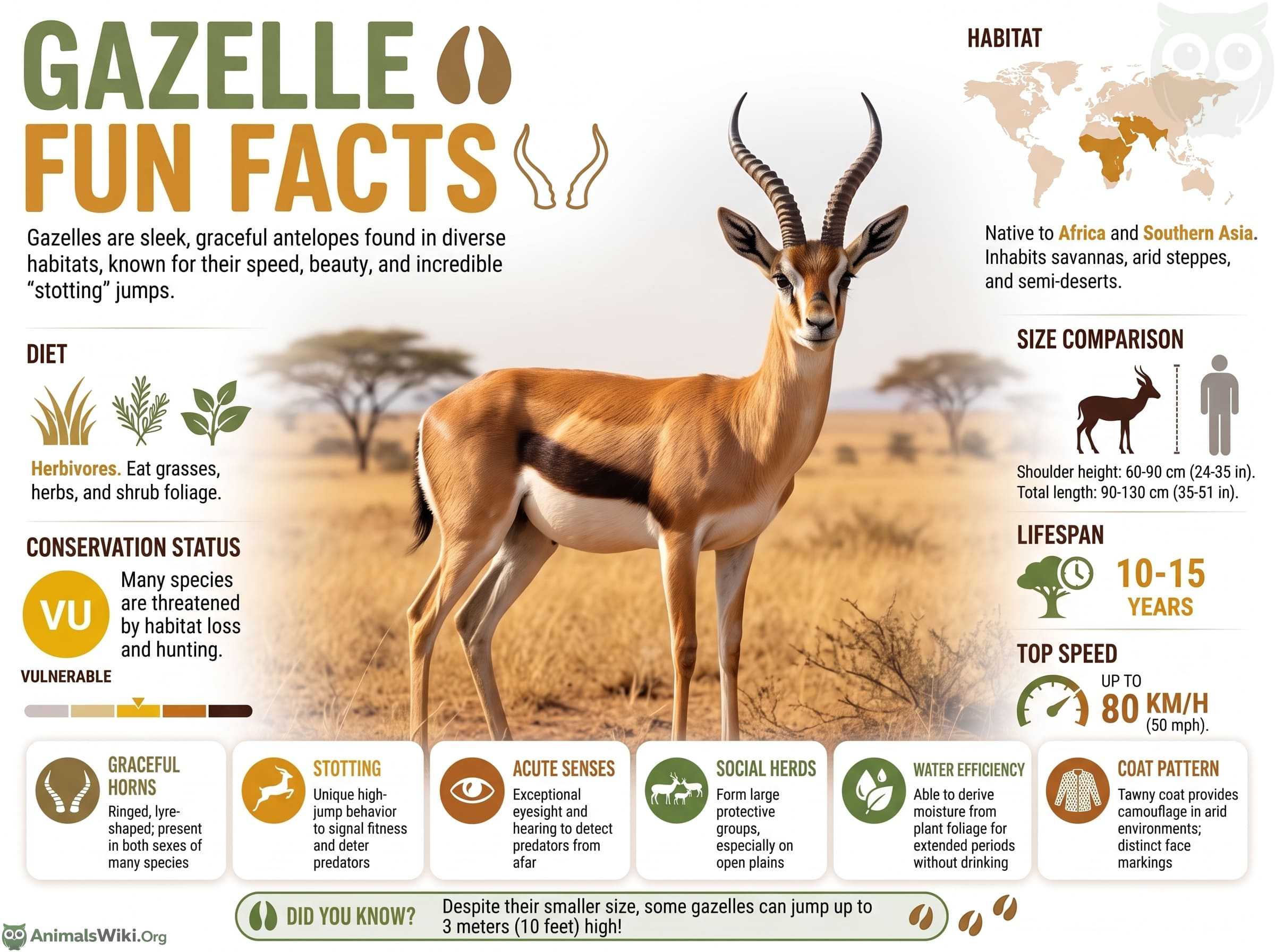
- 🦌 The Thomson’s Gazelle has a heart three times larger relative to body size than a horse — providing the oxygen delivery needed for sustained high-speed running
- 🦌 Stotting — the gazelle’s extravagant leaping display when threatened — has been scientifically proven to actually repel predators by signaling individual fitness
- 🦌 Gazelle newborns produce virtually no detectable scent for the first days of life — a remarkable anti-predator adaptation
- 🦌 The Arabic poetic form ghazal takes its name from the Arabic word for gazelle — making the animal central to over a thousand years of literary tradition
- 🦌 The Dama Gazelle — once abundant across the Sahara — has been reduced to fewer than 500 individuals — making it one of the world’s most endangered large mammals
- 🦌 Springbok pronking can launch the animal over 3 meters high — roughly twice the height of an adult human
- 🦌 The Mongolian Gazelle migration involves over 1 million animals — one of the last great mammal migrations on Earth and one of the least observed
- 🦌 A cheetah chasing a Thomson’s Gazelle succeeds only approximately 50% of the time — the gazelle’s turning ability and detection distance often overcoming the cheetah’s speed advantage
- 🦌 The Saluki dog breed was developed specifically for gazelle hunting — selectively bred for thousands of years into one of the world’s fastest dog breeds
- 🦌 Desert gazelles can survive indefinitely without drinking water — extracting all required moisture from their food
- 🦌 Shakira voiced a pop star gazelle in Disney’s Zootopia — introducing the species to a global audience of millions
- 🦌 Gazelle eyes are positioned to provide nearly 360-degree vision — detecting predators approaching from almost any direction
17. How You Can Help
Support These Organizations
- African Wildlife Foundation (AWF) (awf.org) — protecting African wildlife habitats including gazelle-critical grasslands; supporting community-based conservation across East Africa
- Wildlife Conservation Society (WCS) (wcs.org) — supporting gazelle research and conservation across Africa and Central Asia
- The Sahara Conservation Fund (saharaconservation.org) — specifically focused on Saharan wildlife including the Critically Endangered Dama and Slender-horned Gazelles; the primary organization working to prevent these species from going extinct
- WWF (wwf.org) — protecting habitat across gazelle ranges in Africa, the Middle East, and Central Asia
- IUCN Antelope Specialist Group — the scientific body monitoring all antelope species including gazelles; their assessments drive conservation policy
- Saving the Wild (savingthewild.com) — combating poaching of African wildlife including gazelles
What You Can Do
- Support Saharan gazelle conservation — the Dama and Slender-horned Gazelles are among the world’s most endangered large mammals; the Sahara Conservation Fund specifically works to prevent their extinction and needs support
- Advocate for sustainable hunting regulation — unregulated hunting is the most immediate threat to many gazelle populations; supporting organizations that work with governments to establish and enforce hunting quotas helps
- Support responsible tourism — choosing ecotourism operations that contribute revenue to wildlife conservation in gazelle habitat countries directly funds protection
- Engage with climate action — desertification and habitat degradation driven by climate change are significant long-term threats to gazelle populations; climate action is conservation action
- Educate others — the diversity of gazelle species and the severity of declines in many of them are poorly known even among wildlife enthusiasts; sharing this knowledge builds the conservation constituency these animals need
Recommended Documentaries & Books
- “Planet Earth” (BBC, 2006) — the cheetah-Thomson’s Gazelle chase sequence is one of the most celebrated natural history film moments ever captured
- “Africa” (BBC, 2013) — spectacular Great Migration and gazelle footage
- “Speed” (National Geographic) — dedicated coverage of the gazelle-cheetah speed relationship
- “The Serengeti Lion” by George Schaller — foundational predator-prey research including gazelle ecology
- “Cheetah” by Timothy Caro — comprehensive study of cheetah-gazelle predator-prey dynamics and the science of stotting
18. Frequently Asked Questions About Gazelles
Q1: What is stotting and why do gazelles do it?
Stotting (also called pronking) is the behavior in which a gazelle repeatedly leaps high into the air with stiff legs when a predator is detected — appearing to waste energy on acrobatics rather than simply running away. Scientific research, particularly by Timothy Caro in the Serengeti, has confirmed that stotting is an honest signal directed at the predator — communicating that the individual gazelle is so physically fit and healthy that it can afford to waste energy showing off. Only genuinely fit animals can stott convincingly; weak or injured animals cannot. Cheetahs have been shown to be significantly less likely to chase stotting gazelles — confirming that the signal genuinely deters predation. Stotting is thus a sophisticated communication strategy that exploits the predator’s own interest in selecting vulnerable prey.
Q2: How fast can gazelles run?
Speed varies by species. Thomson’s Gazelle reaches approximately 80–90 km/h at top speed and can sustain speeds of around 70–80 km/h for extended periods. The Springbok reaches approximately 88 km/h. These speeds make gazelles among the fastest terrestrial animals on Earth — slower than a cheetah at peak speed but with far greater endurance. The cheetah has approximately a 20–30 km/h speed advantage over a Thomson’s Gazelle in a straight sprint but can only maintain this speed for about 300 meters before overheating. The gazelle’s superior endurance and its ability to make sharp directional changes at high speed mean that roughly 40–50% of cheetah chases end without a kill.
Q3: How are gazelles and the ghazal poem connected?
The ghazal poetic form takes its name from the Arabic word for gazelle (غزال, ghazāl). The poetic form originated in pre-Islamic Arabic poetry, in which the gazelle was the supreme metaphor for beauty, grace, and the beloved — its dark eyes, slender form, and graceful movement representing the ideal of physical beauty in classical Arabic aesthetics. The ghazal form developed as a vehicle for exploring themes of beauty and longing, and the gazelle metaphor spread with the form into Persian, Urdu, Turkish, and other literary traditions. Poets from Rumi and Hafez to Mirza Ghalib used gazelle imagery extensively. The word itself thus links the most elegant animals on the plains with some of the world’s most celebrated poetry across over a thousand years of literary history.
Q4: How many species of gazelle are there and which are endangered?
There are approximately 20 species of true gazelles (genus Gazella and related genera), with several additional species sometimes included in the broader gazelle grouping. Two species are Critically Endangered: the Dama Gazelle (fewer than 500 animals remaining in the wild — one of the world’s most endangered large mammals) and the Slender-horned Gazelle (fewer than 1,000 animals). Several additional species are Vulnerable, including the Mountain Gazelle, Dorcas Gazelle, Goitered Gazelle, and Arabian Gazelle. The most abundant species — Thomson’s Gazelle, Grant’s Gazelle, Springbok, and Mongolian Gazelle — remain relatively numerous but show declining trends in most populations.
Q5: Why can desert gazelles survive without drinking water?
Several desert-adapted gazelle species — particularly the Dorcas Gazelle — have evolved remarkable physiological adaptations for water independence. They extract water from the plants they eat (particularly succulents), produce metabolic water by oxidizing food molecules, have highly efficient kidneys producing very concentrated urine, and use a nasal heat exchange system that recovers water from exhaled breath. During the hottest parts of the day, they become inactive to reduce metabolic heat production and associated water requirements. Their body temperature also rises during the day, reducing the temperature gradient between body and environment and thus reducing heat gain. These adaptations collectively allow them to inhabit the core of the Sahara and Arabian deserts far from permanent water sources — exploiting food resources unavailable to water-dependent species.
Q6: What is the Mongolian Gazelle migration and why is it not famous?
The Mongolian Gazelle (Procapra gutturosa) undertakes seasonal movements across the open steppe of Mongolia and northern China that involve hundreds of thousands to over a million animals — making it comparable in scale to the famous Serengeti migration. However, it takes place across vast, largely uninhabited steppe with no established tourism infrastructure, minimal international media coverage, and limited scientific study relative to its scale. The migration’s routes are also variable — following unpredictable rainfall patterns across the steppe rather than following consistent routes. It remains one of the great undiscovered wildlife spectacles of the world, known to relatively few people outside of Mongolia and the conservation biology community.
Q7: Is the gazelle the same as a deer or an antelope?
Gazelles are antelopes — members of the family Bovidae, which also includes cattle, sheep, and goats. They are not deer. The key distinction is in the horn: gazelles (and all bovids) have permanent horns that are never shed, made of keratin over a bony core. Deer have antlers — branched structures made of bone that are shed and regrown annually. Gazelles are more closely related to domestic cattle than they are to deer. The word “antelope” is not a strict taxonomic term — it refers broadly to various bovids that are neither cattle, sheep, goats, nor bison — but all gazelles are correctly described as antelopes.
Q8: What is being done to save the Critically Endangered Dama Gazelle?
The Dama Gazelle (Nanger dama) — once abundant across the Sahara from Senegal to Sudan — has been reduced to fewer than 500 individuals in the wild, making it one of the world’s most critically endangered large mammals. Conservation actions underway include: captive breeding programs at zoos in Europe, North America, and the Middle East maintaining a genetically managed captive population; field surveys by the Sahara Conservation Fund to locate and monitor remaining wild populations; anti-poaching programs in Niger and Chad where the last significant wild populations survive; habitat protection through negotiations with governments of range countries; and reintroduction planning for eventual release of captive-bred animals into protected areas once conditions allow. The species’ survival depends on the success of these programs over the next decade.
19. Sources Researched
The information in this article was researched and verified using the following authoritative sources:
- Wikipedia — Gazella gazella, Gazelle, Thomson’s gazelle, Dama gazelle, Stotting, Ghazal (poetry)
- IUCN Red List (iucnredlist.org) — All gazelle species conservation status assessments
- National Geographic (nationalgeographic.com) — Gazelle biology, behavior, and conservation features
- Britannica (britannica.com) — Gazelle, Antilopinae, Stotting
- African Wildlife Foundation (awf.org) — Gazelle conservation and habitat data
- Sahara Conservation Fund (saharaconservation.org) — Dama and Slender-horned Gazelle conservation programs
- Smithsonian Institution (si.edu) — Gazelle species biology and systematics
- WWF (wwf.org) — Gazelle population data and conservation status
- Caro, Timothy (1994) — Cheetahs of the Serengeti Plains — University of Chicago Press; foundational research on stotting and predator-prey dynamics
- Schaller, George (1972) — The Serengeti Lion — University of Chicago Press
- Journal of Zoology — Peer-reviewed gazelle ecology and behavior research
- Molecular Phylogenetics and Evolution — Gazelle taxonomy and evolutionary research
- BBC Nature (bbc.co.uk/nature) — Documentary references and species behavior data
- IUCN Antelope Specialist Group — Species assessments and conservation recommendations
- Israel Nature and Parks Authority — Mountain Gazelle population recovery data
20. Gazelle Images