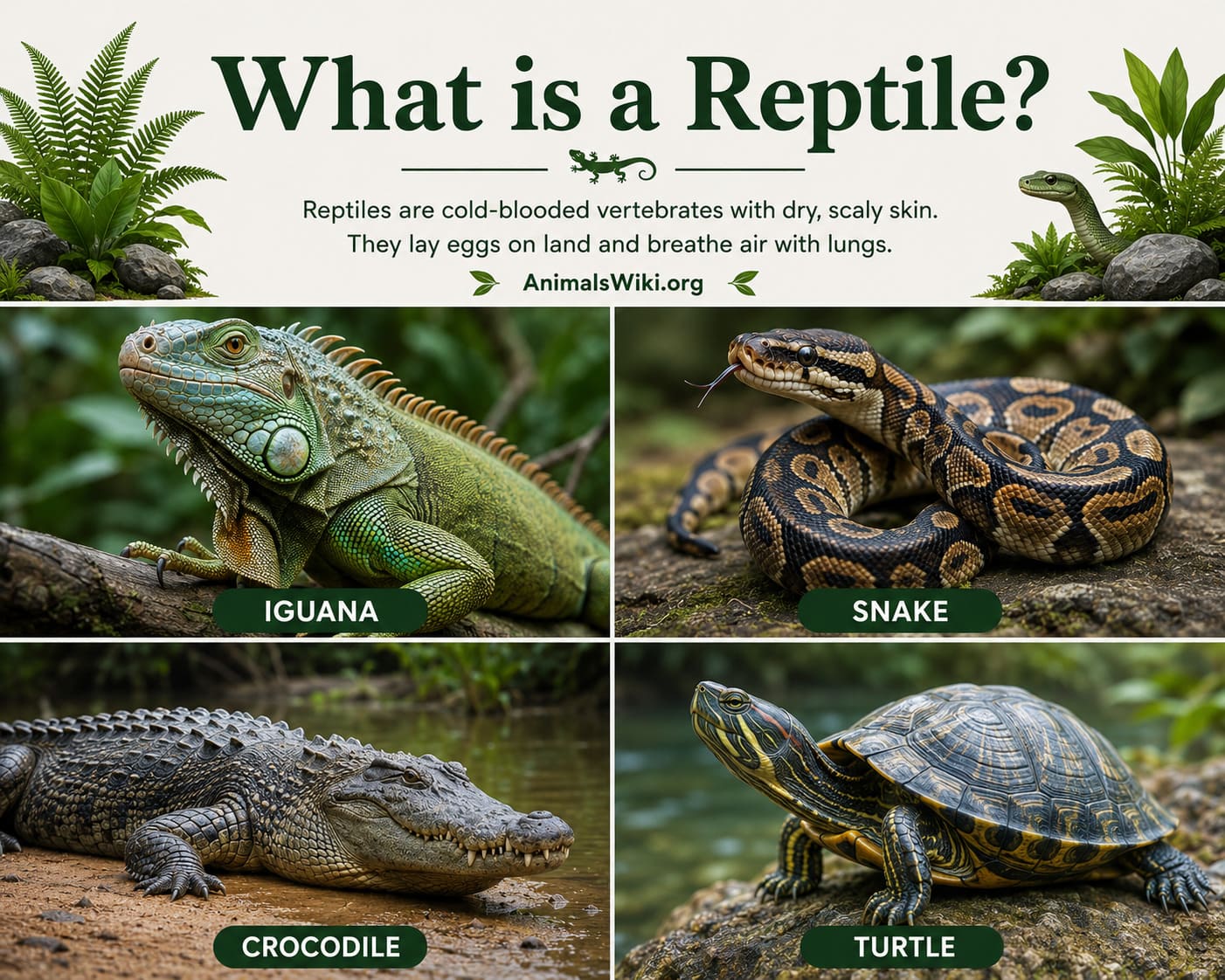
What is a Reptile?
Reptile Facts
| Feature | Details |
|---|---|
| Common Name | Reptile (collective term for Class Reptilia) |
| Scientific Classification | Class: Reptilia; includes orders Squamata, Crocodilia, Testudines, Rhynchocephalia |
| Kingdom | Animalia |
| Phylum | Chordata |
| Estimated Species | ~11,700+ known species (2026) |
| Lifespan Range | 3 years (some chameleons) to 190+ years (giant tortoises) |
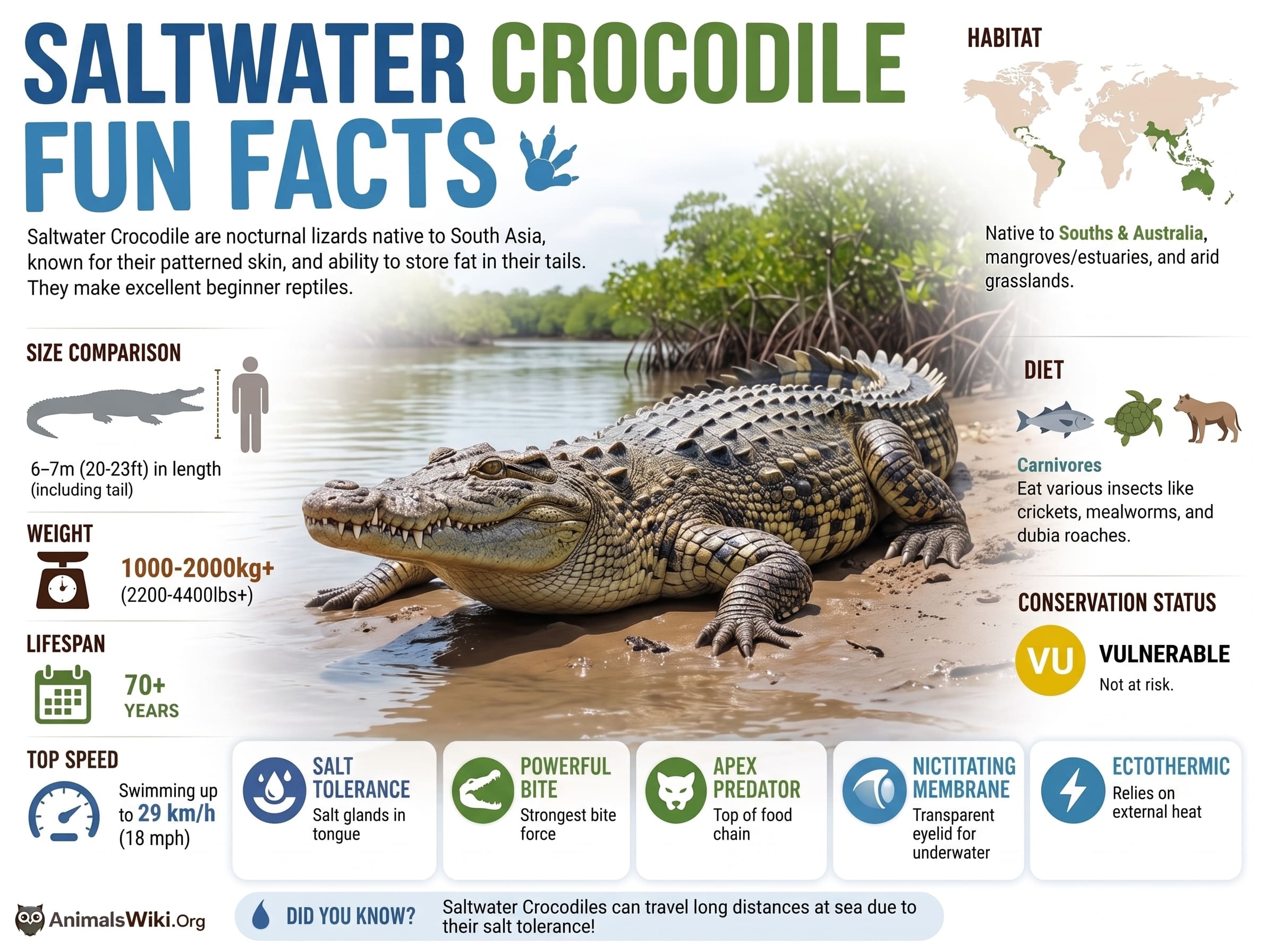
| Weight Range | <1 gram (nano-chameleon) to 1,000+ kg (saltwater crocodile) |
| Size Range | 13.5 mm (nano-chameleon) to 7+ m (saltwater crocodile, reticulated python) |
| Diet | Carnivores, herbivores, omnivores — varies by species |
| Habitat | Every continent except Antarctica (limited presence in sub-Arctic regions) |
| Body Temperature | Ectothermic (cold-blooded) — regulated by external environment |
| Conservation Status | ~21% of reptile species threatened with extinction (IUCN, 2026) |
| Oldest Fossil Evidence | ~315–320 million years ago (Carboniferous Period) |
| % of All Vertebrates | Reptiles represent approximately 25% of all vertebrate species |
1. Species Overview & Scientific Classification
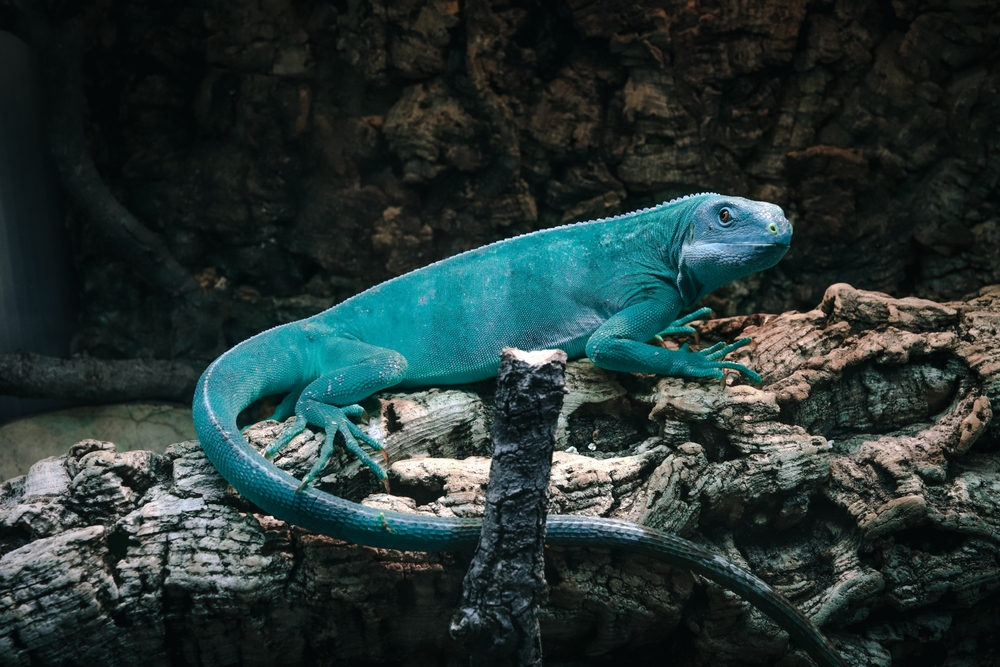
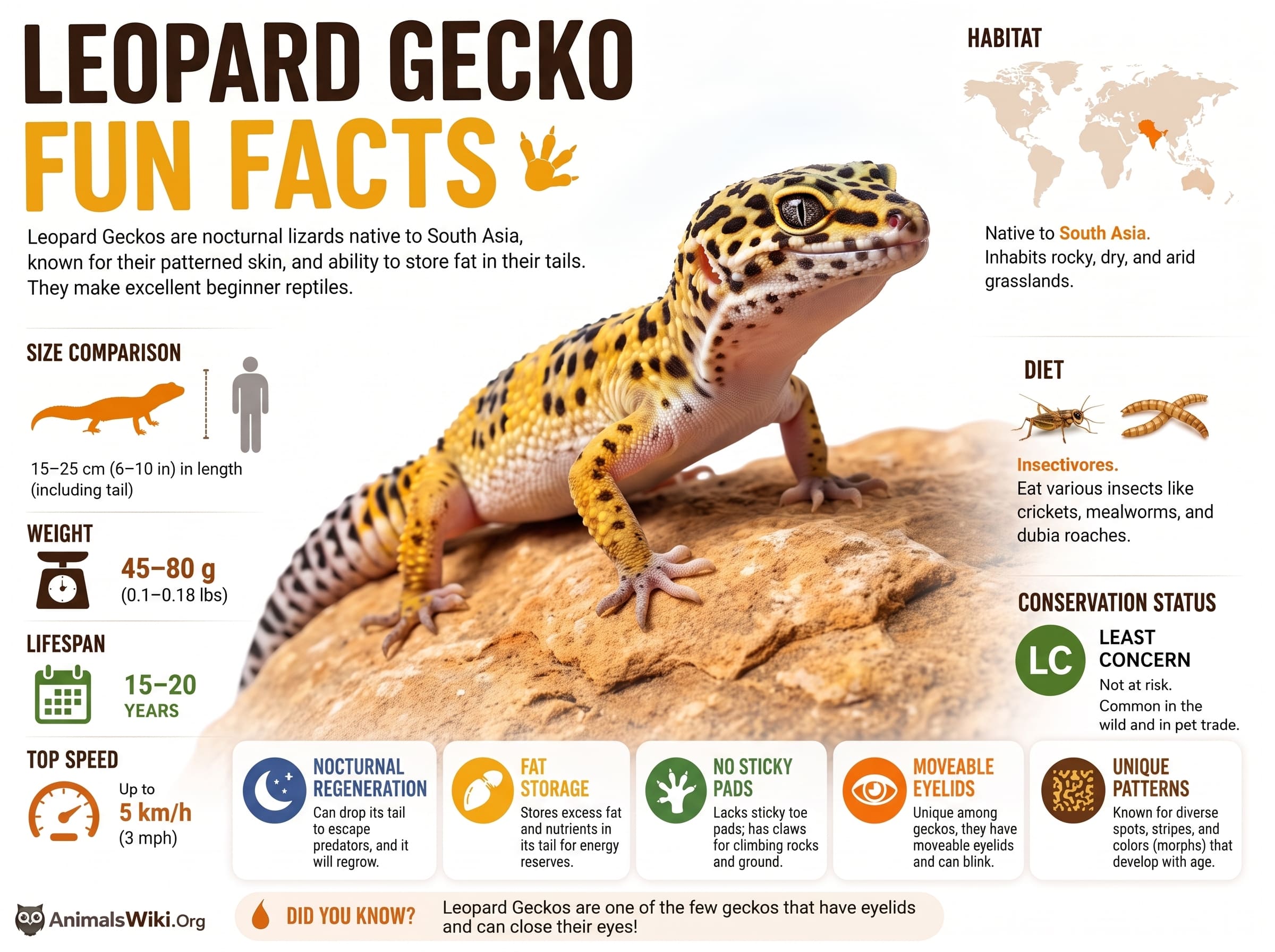
Close your eyes and picture a reptile. Perhaps you imagine a coiled snake on a sun-warmed rock, a crocodile lurking at the edge of an African river, a tortoise moving with ancient, unhurried dignity across a Galápagos beach, or a tiny gecko hanging upside down on your hotel wall in Thailand. Every one of these images is correct — and every one captures only the tiniest fragment of what reptiles actually are.
Reptiles are one of the most ancient, diverse, and ecologically important groups of vertebrates on Earth. With over 11,700 known species as of 2026 — and new species still being discovered at a rate of roughly 100–150 per year — the class Reptilia encompasses an extraordinary range of body plans, lifestyles, habitats, and behaviors. From the 13.5 mm nano-chameleon of Madagascar, perhaps the smallest reptile ever discovered, to the saltwater crocodile stretching over 7 metres and weighing more than a tonne, reptiles have colonized virtually every habitat on the terrestrial and freshwater Earth.
What unites this vast diversity? At its core, the reptile body plan is defined by a set of shared characteristics: a dry, scaly skin made of keratin (protecting against water loss), ectothermy (reliance on external heat sources to regulate body temperature), amniotic eggs (eggs with protective membranes that can be laid on land, freeing reptiles from dependence on water for reproduction), and a fundamentally terrestrial body plan even in those species that have returned to aquatic lifestyles.
Species Classification Table
| Order | Common Name | # Known Species | Examples |
|---|---|---|---|
| Squamata | Lizards, Snakes, Worm Lizards | ~10,900+ | Komodo dragon, king cobra, geckos |
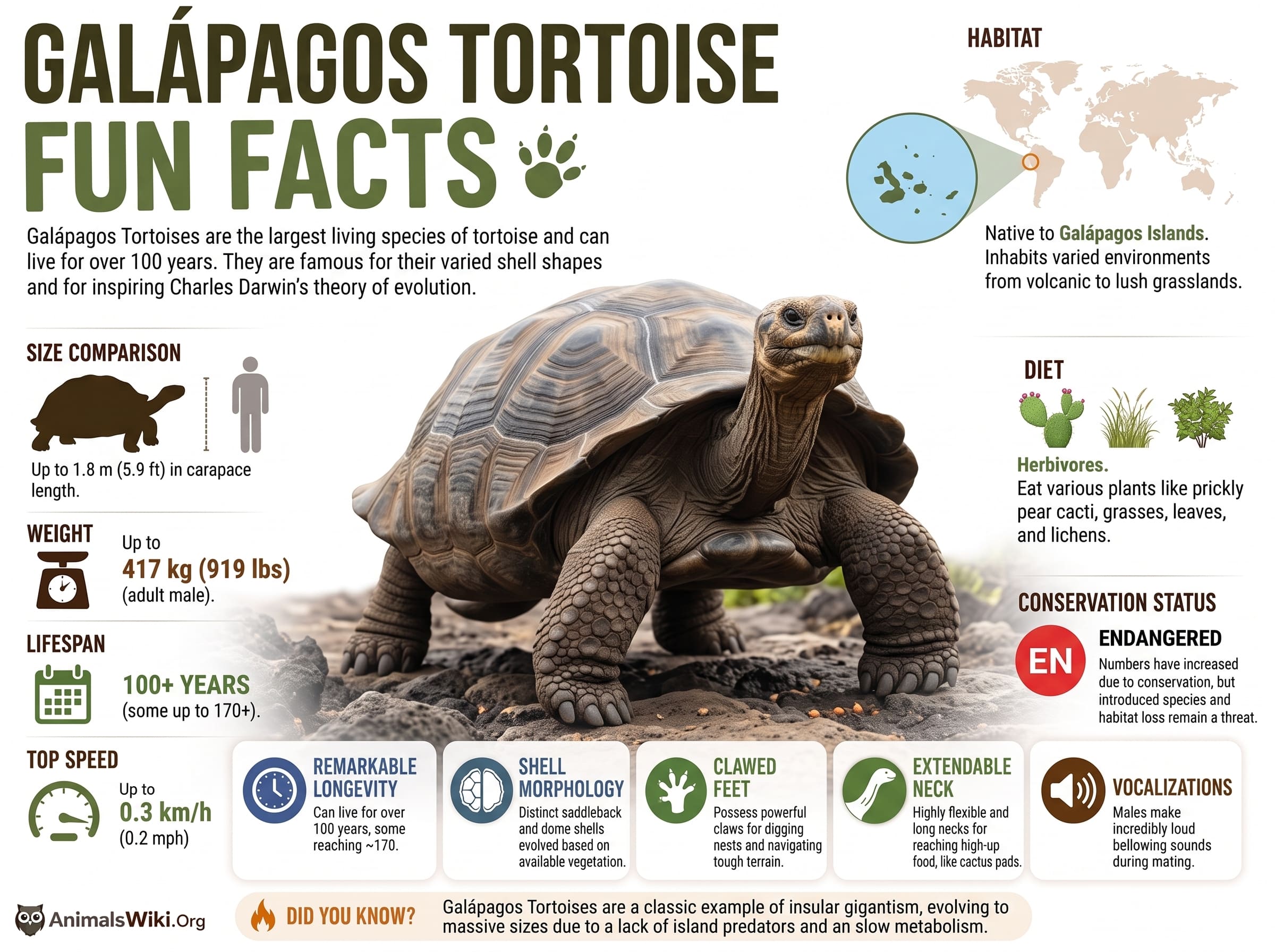
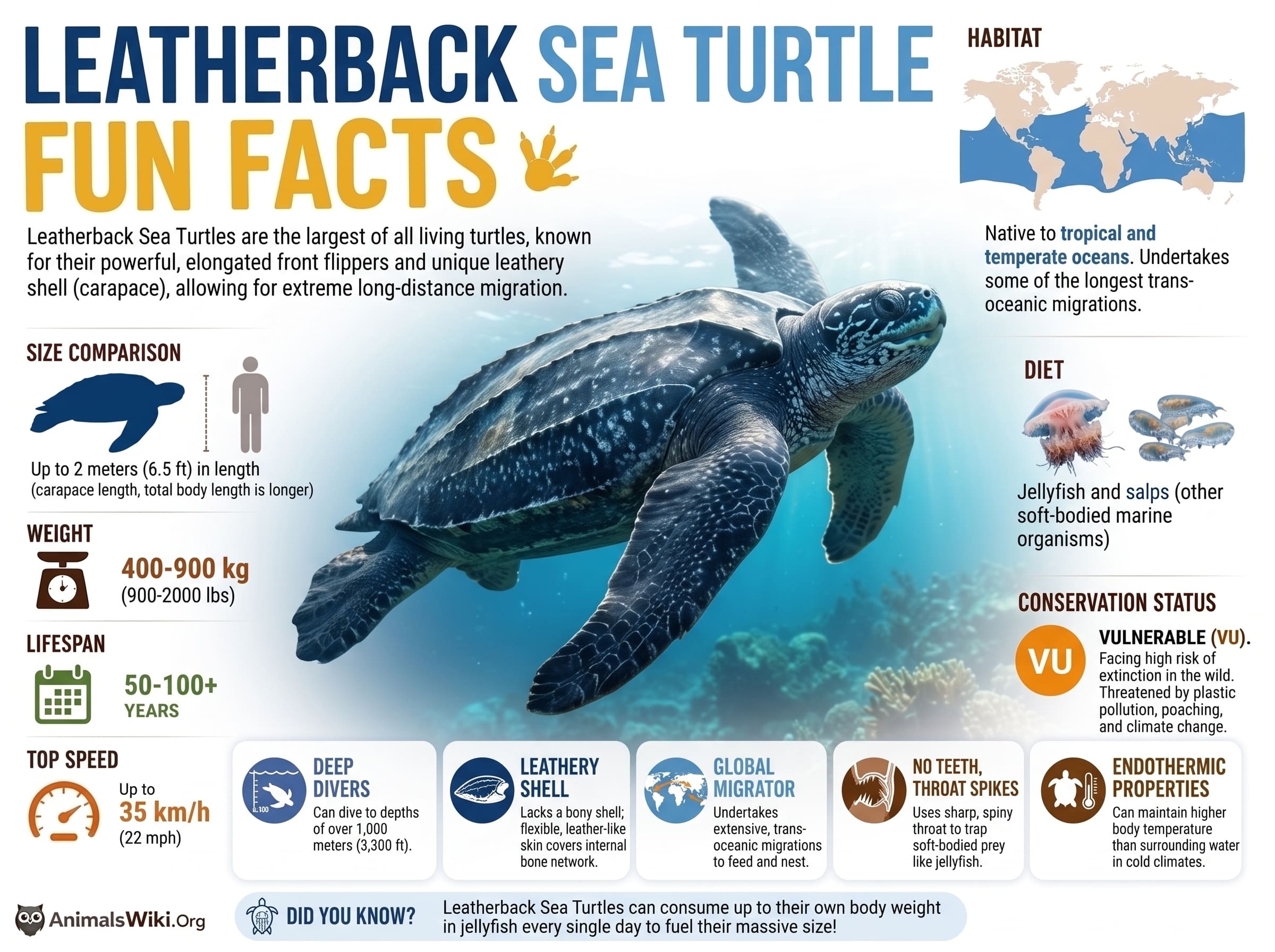
| Testudines | Turtles, Tortoises, Terrapins | ~360+ | Leatherback sea turtle, Galápagos tortoise |
| Crocodilia | Crocodiles, Alligators, Gharials | ~25 | Saltwater crocodile, American alligator |
| Rhynchocephalia | Tuatara | 1 | Tuatara (Sphenodon punctatus) |
The order Squamata dominates — containing over 93% of all reptile species. Within Squamata, lizards (~7,000 species) and snakes (~3,900 species) represent the two great radiations, while the lesser-known amphisbaenians (worm lizards, ~200 species) occupy a unique burrowing niche.
The tuatara of New Zealand deserves special mention. The sole surviving member of the order Rhynchocephalia — an ancient lineage that flourished alongside the dinosaurs — the tuatara is sometimes called a “living fossil,” its body plan virtually unchanged for over 200 million years. It is, in every meaningful sense, a dinosaur-era creature living in the modern world.
“Reptiles are not lower vertebrates. They are highly specialized organisms that have been exquisitely fine-tuned by evolution for their particular lifestyles.” — Dr. Bryan Fry, herpetologist and venom researcher, University of Queensland
2. Physical Description & Unique Features
The defining physical characteristic of every reptile is its skin. Unlike the moist, permeable skin of amphibians or the fur and feathers of mammals and birds, reptile skin is covered in scales — overlapping or abutting plates made primarily of keratin, the same protein that forms human fingernails. These scales are not separate structures sitting on top of the skin (as fish scales are) but are folds of the skin itself, creating an integrated waterproof barrier that was revolutionary in vertebrate evolution. This barrier is what allowed reptiles to break free from dependence on moist environments and colonize the driest habitats on Earth.
The Four Great Body Plans
Squamates — lizards and snakes — represent the most diverse body plan variations. Lizards typically retain four legs, external ear openings, and moveable eyelids (though many have lost one or more of these features through evolution). Snakes have gone furthest in the direction of elongation and limb loss, retaining only vestigial pelvic remnants in some species (visible as tiny “spurs” on either side of the cloaca in boas and pythons). The snake skull is a masterpiece of evolutionary engineering — with loosely connected bones that can spread apart to accommodate prey far larger than the snake’s head.
Turtles and Tortoises possess the most unique body plan of any living vertebrate — their shell, which is not an external structure but an integral part of the skeleton itself. The shell is formed from modified ribs and vertebrae fused to a bony plate, covered by scutes (plates of keratin). A turtle cannot leave its shell any more than a human can leave their rib cage. The distinction between turtles (aquatic or semi-aquatic), tortoises (fully terrestrial), and terrapins (freshwater or brackish) is primarily ecological rather than strictly taxonomic.
Crocodilians retain the most archosaur-like body plan — heavily armored with osteoderms (bony plates embedded in the skin), semi-aquatic, and possessing a four-chambered heart — a feature shared with birds and mammals, and unique among living reptiles. Crocodilians are the closest living relatives of birds, and in some taxonomic frameworks, birds are literally classified as a group of reptiles.
Tuatara appear superficially lizard-like but possess unique anatomical features: two rows of upper teeth and one row of lower (a configuration found in no other living reptile), a third “parietal eye” on the top of the skull (functional in juveniles, later covered by scales), and a surprisingly slow metabolism that allows them to be active at lower temperatures than most reptiles.
Extraordinary Physical Adaptations
The Draco lizard of Southeast Asia has evolved elongated ribs that support a membrane of skin, allowing it to glide between trees for distances of up to 10 metres — a miniature flying dragon made real.
The horned lizard (Phrynosoma) of North America can squirt blood from their eyes — a defense mechanism involving restricted blood flow from the head, building pressure until blood vessels in the eyelids burst — shooting a stream of blood containing foul-tasting chemicals up to 1.5 metres at predators.
The Jackson’s chameleon combines extraordinary eyes (each rotating independently through 360°, providing near-total field of vision), a tongue that can extend twice its body length at speeds exceeding 16 km/h, and skin that changes color not primarily for camouflage but to communicate mood, temperature, and social status.
Did You Know? The Brookesia nana nano-chameleon of Madagascar — described by science in 2021 — is the world’s smallest known reptile. Adult males measure just 13.5 mm from snout to cloaca — small enough to perch on a human fingertip. Yet this miniature marvel is a fully functional chameleon, equipped with the color-changing skin, independently rotating eyes, and projectile tongue of its larger relatives.
3. Natural Habitat & Geographic Range
Reptiles are found on every continent except Antarctica — though their distribution is heavily skewed toward tropical and subtropical regions where warmth and sunlight are abundant. As ectotherms (cold-blooded animals), reptiles depend on external heat sources to maintain the body temperatures necessary for activity — a fact that makes tropical environments their stronghold.
Habitat Range by Continent
| Continent | # Reptile Species (approx.) | Dominant Groups | Notable Hotspots |
|---|---|---|---|
| South America | 2,000+ | Snakes, lizards, caimans, turtles | Amazon basin, Pantanal, Galápagos |
| Asia | 2,500+ | Geckos, monitor lizards, cobras, pythons | Southeast Asian rainforests, Indian subcontinent |
| Africa | 1,700+ | Chameleons, monitor lizards, crocodiles | Madagascar, sub-Saharan savanna |
| North America | 900+ | Rattlesnakes, gila monsters, sea turtles | Sonoran Desert, Florida Everglades |
| Australia/Oceania | 1,000+ | Skinks, geckos, pythons, sea kraits | Australian outback, New Guinea |
| Europe | 200+ | Vipers, wall lizards, Hermann’s tortoise | Mediterranean basin |
| Antarctica | 0 | — | — |
Madagascar deserves special recognition as perhaps the single most important reptile hotspot on Earth. The island is home to over 400 reptile species, of which more than 90% are found nowhere else in the world. Its chameleons alone — over 100 species — represent more than half of the world’s total chameleon diversity. Madagascar is, in herpetological terms, a separate reptile universe.
The Galápagos Islands host iconic reptile communities found nowhere else — from the marine iguana (the world’s only seafaring lizard, which feeds on underwater algae) to the giant tortoises that first inspired Charles Darwin’s thinking about evolution and adaptation.
Did You Know? Australia has the distinction of being the continent with the highest proportion of venomous snakes. Of approximately 170 land snake species in Australia, roughly 100 are venomous, and 20 are considered medically significant to humans. The inland taipan (Oxyuranus microlepidotus) — found in Australia’s arid interior — produces the most toxic venom of any snake on Earth, with a single bite containing enough venom to potentially kill 100+ adult humans.
4. Diet & Hunting/Feeding Behavior
Reptiles have evolved into virtually every dietary niche available in terrestrial and freshwater ecosystems — from strict carnivores to committed herbivores, with a wide spectrum of omnivores in between.
Diet Breakdown Table
| Dietary Category | Description | Representative Species |
|---|---|---|
| Carnivore — active hunter | Pursues and kills prey actively | Komodo dragon, king cobra, monitor lizards |
| Carnivore — ambush predator | Waits motionless for prey to approach | Gaboon viper, crocodile, chameleon |
| Carnivore — filter/aquatic | Feeds in water on fish, amphibians | Gharial, water moccasin, sea kraits |
| Herbivore | Feeds primarily on plants | Green iguana, Galápagos tortoise, uromastyx |
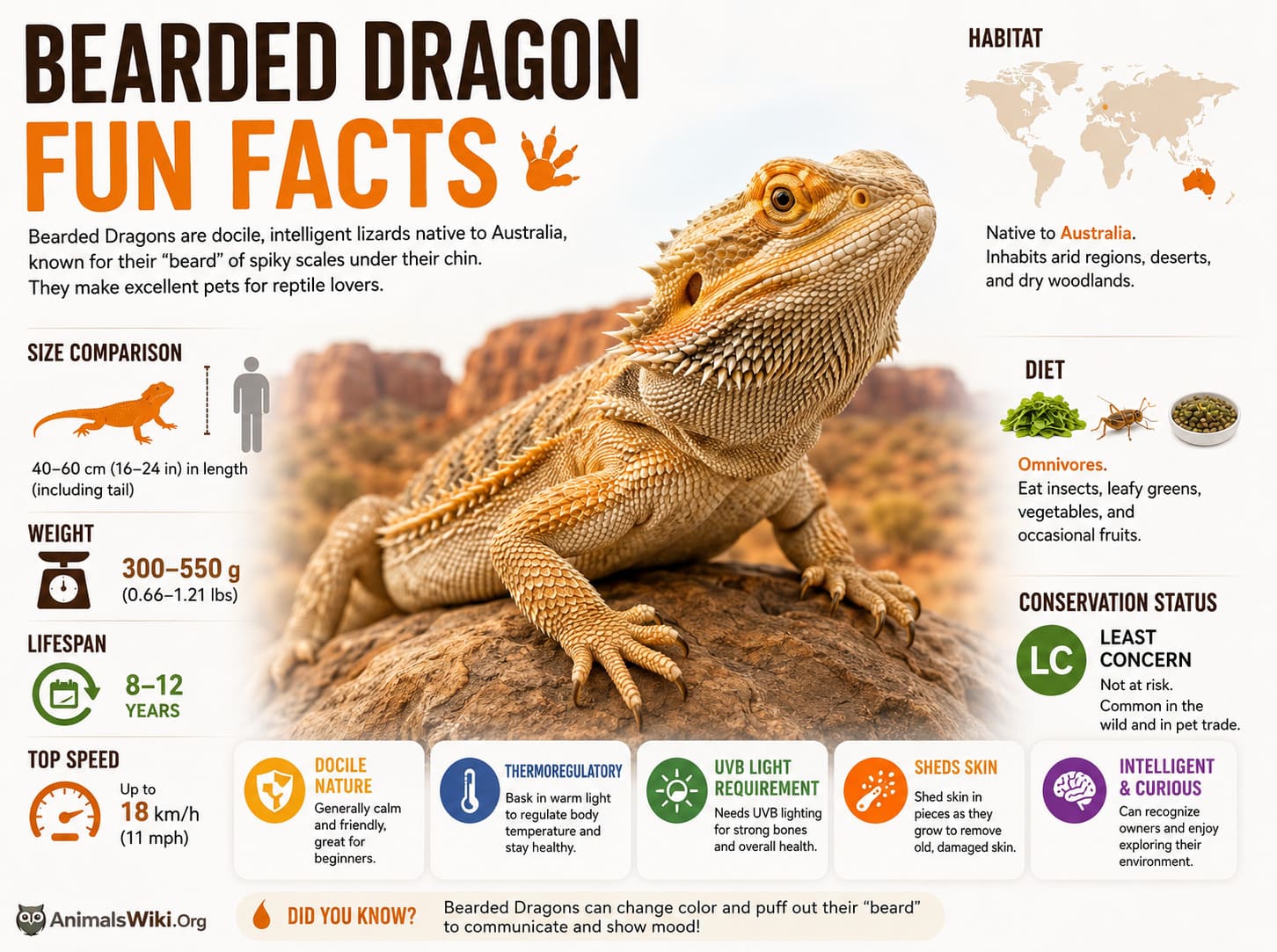
| Omnivore | Both plant and animal matter | Bearded dragon, box turtle, blue-tongued skink |
| Insectivore | Feeds primarily on insects | Most geckos, anoles, chameleons, small skinks |
| Molluscivore | Specializes in snails and molluscs | Snail kite (bird, not reptile) — among reptiles: some water snakes |
| Egg specialist | Feeds primarily on eggs | African egg-eating snake (Dasypeltis) |
Extraordinary Feeding Strategies
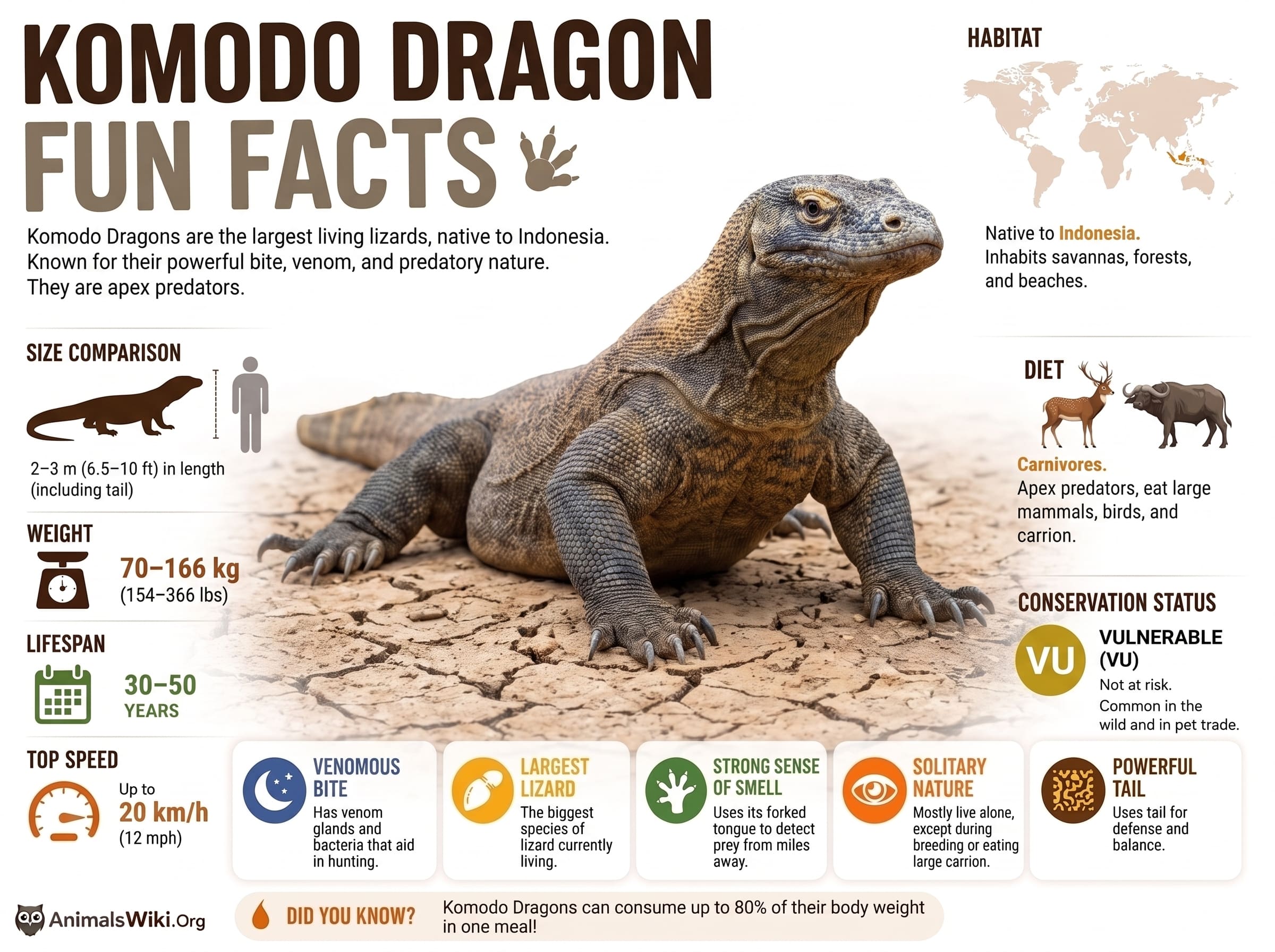
The Komodo dragon (Varanus komodoensis) is perhaps the most dramatic reptile predator. Long believed to kill through bacterial infection in their saliva, Komodo dragons are now understood to possess true venom glands — a discovery made in 2009 that fundamentally changed our understanding of these giant lizards. They can consume up to 80% of their body weight in a single meal and have been observed taking prey as large as water buffalo.
The African egg-eating snake (Dasypeltis scabra) has gone to extraordinary lengths of dietary specialization. It swallows eggs whole — often eggs larger than its own head, thanks to the snake’s highly flexible skull — then uses modified vertebral projections in its throat to crack the shell, swallows the liquid contents, and regurgitates the collapsed shell. It has no functional teeth.
Crocodilians employ the famous “death roll” — rotating powerfully along their body axis to tear chunks of flesh from large prey that cannot be swallowed whole. They can also store metabolic energy so efficiently that crocodiles have survived 3-year famines in the wild.
Chameleons fire their tongue — a ballistic structure driven by elastic energy stored in a collagen-like tissue — with an acceleration of up to 264 g (g-force). The sticky, mucus-coated tip can capture prey in 0.07 seconds.
5. Reproduction & Life Cycle
The evolution of the amniotic egg was one of the most transformative events in vertebrate history. By enclosing the embryo in a series of protective membranes — including the fluid-filled amnion, the nutrient-rich yolk sac, and the gas-permeable chorion — reptile ancestors liberated vertebrate life from dependence on standing water for reproduction. This single innovation opened the entire terrestrial world to vertebrate colonization.
Reproductive Strategies
Oviparity (egg-laying) remains the most common strategy, used by approximately 80% of reptile species. Reptile eggs range from the soft, leathery eggs of most snakes and lizards to the hard-shelled, calcium-carbonate eggs of most tortoises and crocodilians. Clutch sizes vary enormously — from a single egg (some geckos) to over 80 eggs (large sea turtles and crocodilians).
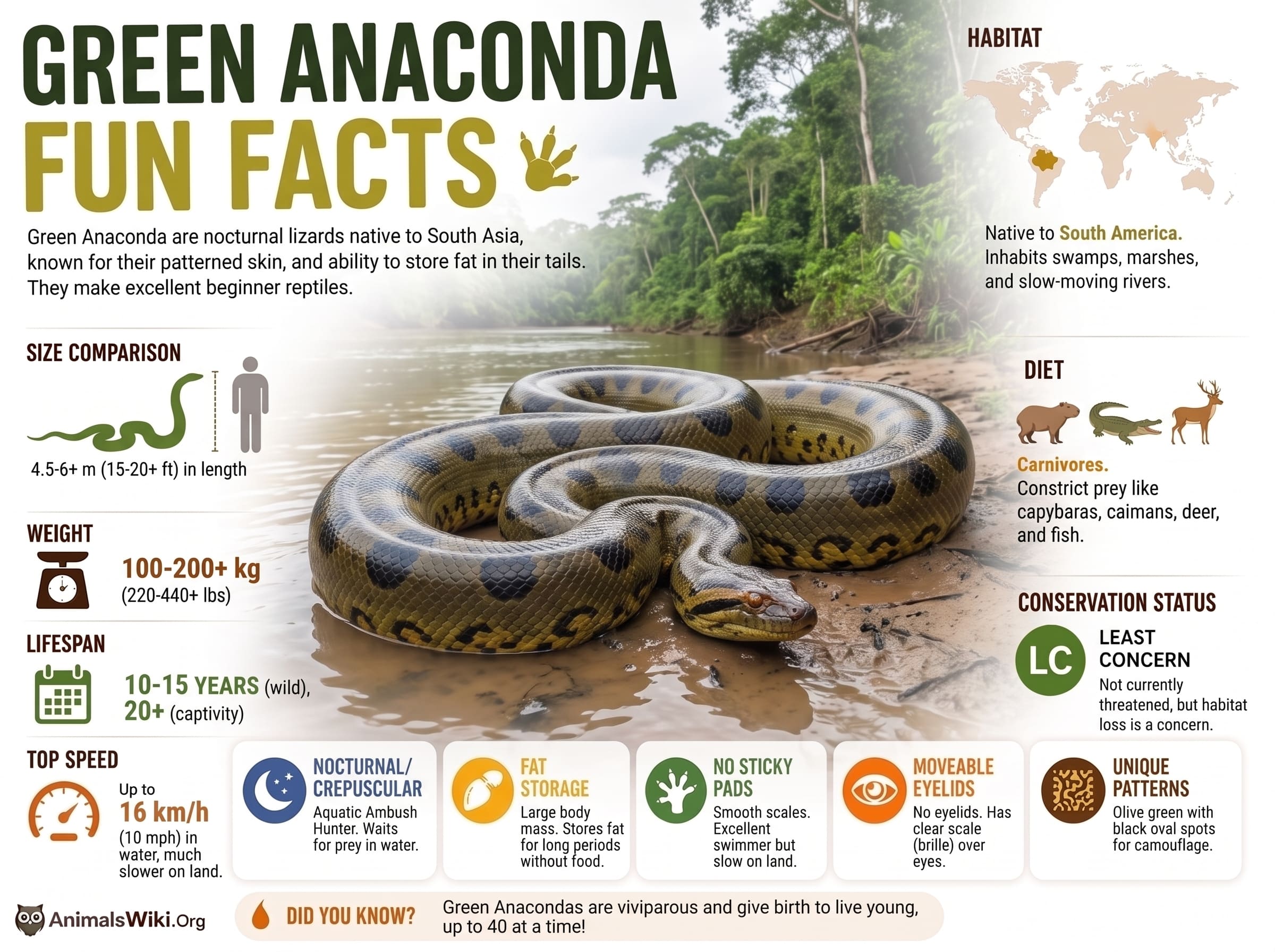
Viviparity (live birth) has evolved independently over 100 times within the reptile lineage — one of the highest frequencies of this reproductive transition in any vertebrate group. Many vipers, skinks, and some lizards give birth to live young. The boa constrictor and common garter snake are well-known examples.
Parthenogenesis — reproduction without fertilization — has been documented in approximately 50 reptile species, including Komodo dragons, some pythons, boa constrictors, and various lizards. Female animals can produce viable, genetically related offspring without any male involvement — a remarkable reproductive flexibility.
Temperature-Dependent Sex Determination (TSD)
One of the most fascinating and ecologically significant aspects of reptile reproduction is Temperature-Dependent Sex Determination — the fact that in many reptiles (including all crocodilians, most turtles, and some lizards), the sex of offspring is determined not by genetics but by the temperature at which the eggs are incubated.
In sea turtles, warmer temperatures generally produce more females; cooler temperatures produce more males. Climate change — by warming nesting beaches — is already producing heavily female-skewed sea turtle populations in some regions, with potentially devastating long-term consequences for population viability.
Lifespan Comparison
| Species | Average Lifespan | Maximum Recorded |
|---|---|---|
| Aldabra Giant Tortoise | 100–150 years | 190+ years (Adwaita, est.) |
| Galápagos Giant Tortoise | 100–150 years | 175 years (Harriet, est.) |
| American Alligator | 35–50 years | ~77 years (captive) |
| Saltwater Crocodile | 70 years | ~100+ years |
| Komodo Dragon | 30 years | ~50 years |
| Green Sea Turtle | 60–70 years | ~100 years (est.) |
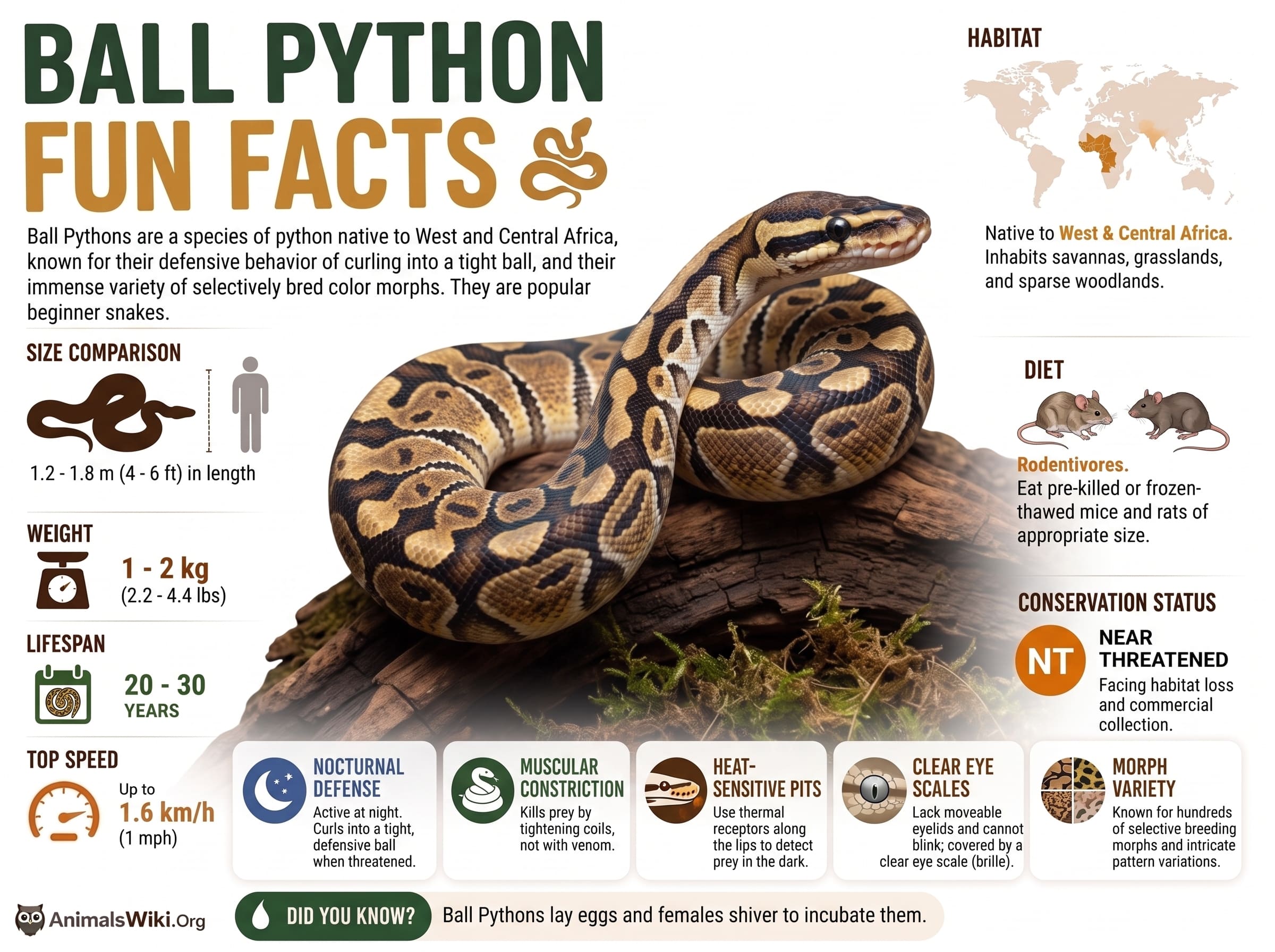
| Ball Python | 20–30 years | ~48 years (captive) |
| Veiled Chameleon | 5–8 years | ~12 years |
| Labord’s Chameleon | ~4–5 months (adult) | ~1 year total lifespan |
Did You Know? Labord’s chameleon (Furcifer labordi) of Madagascar holds the distinction of having the shortest lifespan of any known tetrapod (four-limbed vertebrate). The entire adult phase of its life lasts just 4–5 months — after spending longer inside the egg than alive as a hatchling. The entire adult generation dies each year, with only eggs surviving through the dry season.
6. Social Behavior & Communication
Reptiles have long been stereotyped as solitary, non-communicative, and behaviorally simple. This stereotype is increasingly revealed by modern research to be a serious underestimation of their behavioral complexity.
Social Structures
While most reptiles are indeed largely solitary outside of mating seasons, genuine social behavior is found across the group:
Crocodilians display some of the most complex parental behavior of any reptile. Female Nile crocodiles guard their nest for the entire 3-month incubation period, then respond to the calls of hatching young by opening the nest, gently carrying hatchlings in their mouths to the water, and defending them from predators for months afterward — a level of parental investment rivaling many birds and mammals.
Green iguanas establish social hierarchies in overlapping territories, with dominant males performing elaborate visual displays of head-bobbing, dewlap extension, and lateral compression (flattening the body to appear larger) to assert dominance.
Garter snakes famously form communal hibernation dens (hibernacula) where thousands of individuals overwinter together — then engage in spectacular mating balls when they emerge in spring, with dozens of males pursuing a single female simultaneously.
Communication
Reptiles communicate through visual, chemical, tactile, and acoustic channels:
- Visual displays — The anole lizard extends a brightly colored throat fan (dewlap) in species-specific patterns for territorial signaling and mate attraction. Many lizards perform push-up displays and head-bobs in precise, species-specific sequences.
- Chemical communication (chemoreception) — Snakes and lizards use their forked tongues to collect airborne chemical particles, delivering them to the Jacobson’s organ (vomeronasal organ) in the roof of the mouth. This allows them to track prey, identify individuals, assess reproductive status, and navigate their environment with extraordinary precision.
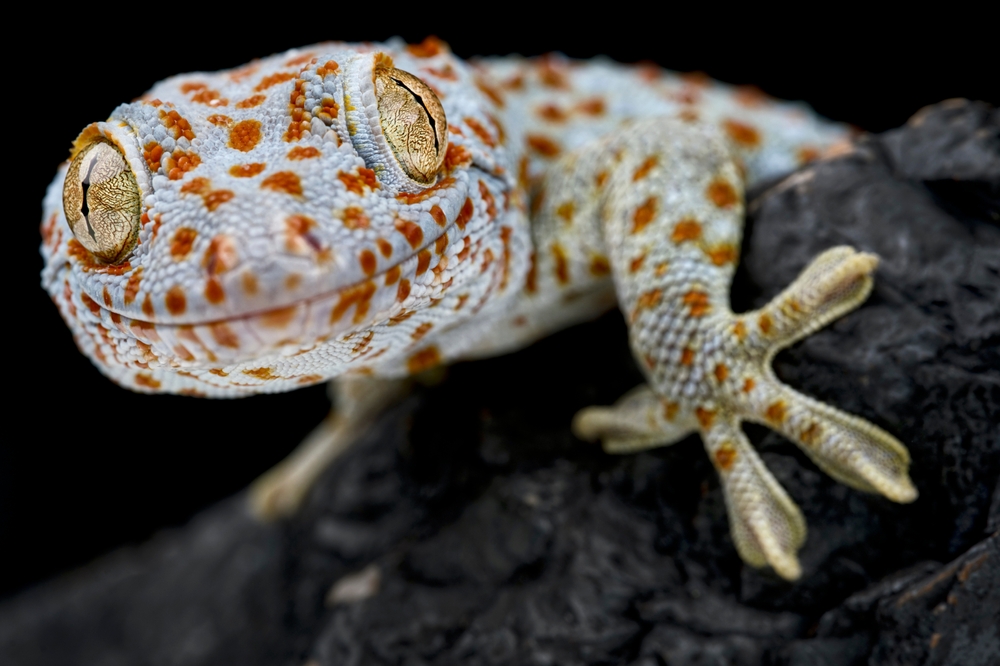
- Sound — Geckos are the most vocal reptiles, producing a wide range of clicks, chirps, barks, and squeaks for territorial defense and mate attraction. The tokay gecko produces a loud “TO-kay” call heard across entire neighborhoods in Southeast Asia. Crocodilians bellow, hiss, and produce infrasonic vibrations through the water surface.
- Tactile communication — Particularly important during courtship and mating, with elaborate tactile sequences observed in many snake, lizard, and tortoise species.
Did You Know? The tuatara of New Zealand has a parietal (third) eye on the top of its head — complete with a lens, retina, and nerve connection to the brain. While it becomes covered by scales in adulthood and cannot form images, it remains sensitive to light and may play a role in regulating circadian rhythms and seasonal hormone cycles. The tuatara is the only living animal with this feature fully developed.
7. Predators & Defense Mechanisms
Natural Predators of Reptiles
- Birds of prey — Eagles, hawks, secretary birds, and herons take enormous numbers of snakes and lizards globally
- Mammals — Mongooses (famously resistant to cobra venom), honey badgers, hedgehogs, large felids, pigs, and humans
- Other reptiles — King snakes prey on rattlesnakes; monitor lizards raid crocodile nests; large crocodilians eat smaller ones
- Amphibians — Large frogs and toads consume small lizards and snakes in some ecosystems
Defense Mechanisms — A Masterclass in Evolution
Reptiles have evolved one of the most spectacular arrays of defensive strategies in the animal kingdom:
Cryptic coloration is the first line of defense for most reptiles. The leaf-tailed gecko of Madagascar is so perfectly camouflaged to resemble bark, lichen, or a dead leaf that even trained herpetologists can miss them at arm’s length.
Autotomy — the voluntary shedding of the tail — is employed by many lizard species when grabbed by a predator. The detached tail continues wriggling, distracting the predator while the lizard escapes. Most species can regenerate a new tail — though the replacement is usually made of cartilage rather than bone.
Warning coloration (aposematism) signals toxicity or danger to potential predators. The coral snake’s vivid bands of red, yellow, and black advertise its deadly neurotoxic venom. Various harmless species have evolved to mimic this pattern (Batesian mimicry).
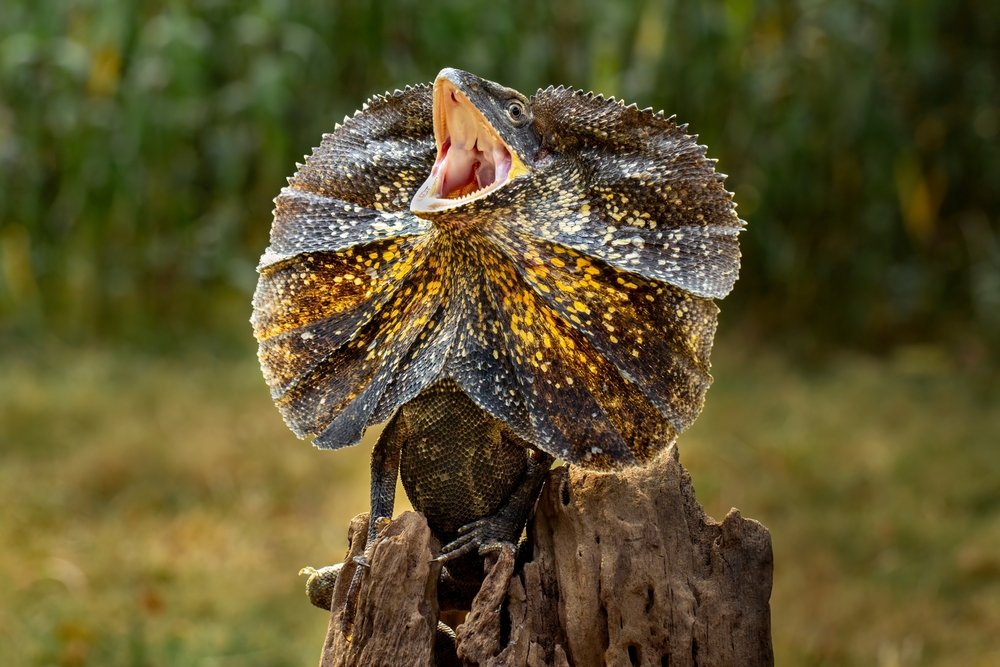
The frilled-neck lizard (Chlamydosaurus kingii) of Australia deploys a dramatic threat display when threatened — spreading a large frill of skin around its neck while hissing and rearing up on its hind legs, creating a suddenly much larger, more intimidating appearance.
Venom is deployed offensively and defensively across snakes and several lizard lineages. Approximately 600 of the world’s ~3,900 snake species are considered venomous, of which roughly 200 are medically significant to humans. Snake venoms are complex cocktails of proteins evolved primarily for predation but secondarily effective as deterrents.
8. Evolution & Discovery Timeline
Reptiles are not merely ancient — they are the group from which all other amniotes (mammals and birds) descended. To understand reptile evolution is to understand the backbone of vertebrate life on land.
~315–320 million years ago (Late Carboniferous) — The first true amniotes — the ancestors of all reptiles, mammals, and birds — appear in the fossil record. Hylonomus lyelli, discovered in fossilized tree stumps in Nova Scotia, Canada, is often cited as the earliest known reptile.
~300–250 million years ago (Permian Period) — The synapsids (the lineage leading to mammals) and sauropsids (the lineage leading to reptiles and birds) diverge. Both groups diversify spectacularly. The sail-backed Dimetrodon — often mistakenly called a dinosaur — is actually a synapsid and more closely related to humans than to any reptile.
~252 million years ago — The Permian-Triassic extinction event — the worst mass extinction in Earth’s history, killing perhaps 96% of all marine species and 70% of terrestrial vertebrates — devastates life on Earth. Reptiles are among the survivors.
~235–200 million years ago (Triassic Period) — Dinosaurs, pterosaurs, crocodilians, and the first turtles appear. The reptile world reaches its golden age. Marine reptiles — ichthyosaurs, plesiosaurs, and mosasaurs — dominate the seas.
~200 million years ago — The tuatara lineage (Rhynchocephalia) is already established in essentially its modern form.
~66 million years ago — The Cretaceous-Paleogene extinction event (the asteroid impact) eliminates non-avian dinosaurs, pterosaurs, marine reptiles, and many other lineages. Birds (which are technically avian dinosaurs and thus a living reptile lineage) survive. Squamates, crocodilians, turtles, and tuatara also survive and subsequently diversify.
1842 — Sir Richard Owen coins the term “Dinosauria” — formally recognizing dinosaurs as a distinct reptile group.
1912 — The Komodo dragon is officially described by Western science, though local communities have known of it for centuries.
1938 — The coelacanth (a lobe-finned fish ancestrally related to land-walking vertebrates) is discovered alive — though not a reptile itself, this discovery reshapes understanding of vertebrate evolution that contextualizes reptile origins.
2009 — Research reveals that Komodo dragons possess true venom glands — overturning decades of scientific consensus about their killing mechanism.
2021 — Brookesia nana — the world’s smallest reptile — is formally described from Madagascar.
2023–2026 — Ongoing molecular phylogenetics research continues to reorganize the reptile family tree. DNA analysis regularly reveals that what appeared to be single species are actually multiple distinct species — dramatically expanding known reptile diversity.
9. Reptiles & Humans — Historical & Modern Relationship
The relationship between reptiles and humans is one of the most complex and contradictory in the animal world — encompassing reverence and fear, utility and persecution, scientific fascination and devastating exploitation.
Ancient Relationships
Reptiles have been part of human experience since our species first appeared in Africa. Early humans shared their environments with cobras, pythons, monitor lizards, and crocodiles — predators and competitors that demanded attention and respect. Some researchers have proposed that the human tendency to detect and fear snakes (ophidiophobia) is a deeply evolved trait, hardwired into our visual processing systems by millions of years of primate coexistence with venomous snakes — a hypothesis known as the “Snake Detection Theory” (Lynne Isbell, 2006).
Yet alongside fear existed reverence. Ancient Egyptians venerated the cobra as a symbol of royal power (the uraeus — the rearing cobra worn on pharaonic crowns). The Greeks worshipped snakes in the temples of Asclepius (god of medicine). Aztec and Maya civilizations built entire cosmologies around the feathered serpent Quetzalcoatl.
Modern Uses and Exploitation
Today, reptiles serve humanity in a striking range of ways — many of them deeply problematic from a conservation perspective:
Food — Reptile meat is consumed across South and Southeast Asia, Africa, and Latin America. Sea turtle eggs are harvested (illegally) in many countries. Crocodile and alligator farming for meat is a legal industry in the USA and Australia.
Medicine — Snake venom is the source of several important pharmaceutical compounds. Captopril (an ACE inhibitor used to treat hypertension, derived from the venom of the Brazilian lancehead viper), tirofiban (an antiplatelet drug derived from saw-scaled viper venom), and eptifibatide (from pygmy rattlesnake venom) are all widely used medications. Venom research continues to yield promising compounds for cancer treatment, pain management, and neurological conditions.
Leather trade — Python, crocodile, alligator, and monitor lizard skins are used in luxury fashion — a multi-billion dollar trade that drives significant wild harvesting in some regions.
Pet trade — Reptiles are the fourth most popular pet group worldwide, with hundreds of millions of animals kept globally. While many popular species are now captive-bred (ball pythons, bearded dragons, leopard geckos), the wild capture of reptiles for the pet trade remains a significant conservation concern.
“Snakes are a part of our evolutionary history. Our primate ancestors evolved in an environment where snakes were a primary predator. Understanding snakes means understanding something fundamental about ourselves.” — Lynne Isbell, behavioral ecologist and author of The Fruit, the Tree, and the Serpent
Did You Know? The antivenoms used to treat snakebite worldwide are produced by immunizing horses (and sometimes sheep or goats) with gradually increasing doses of snake venom, then harvesting and purifying the antibodies from their blood. Snakebite remains one of the world’s most neglected public health crises — causing an estimated 81,000–138,000 deaths and 400,000+ cases of permanent disability annually, predominantly in rural sub-Saharan Africa, South Asia, and Southeast Asia.
10. Role in the Ecosystem & Food Chain
Reptiles are not peripheral characters in Earth’s ecosystems — they are often keystone species whose removal triggers cascading ecological consequences that reshape entire landscapes.
As Predators
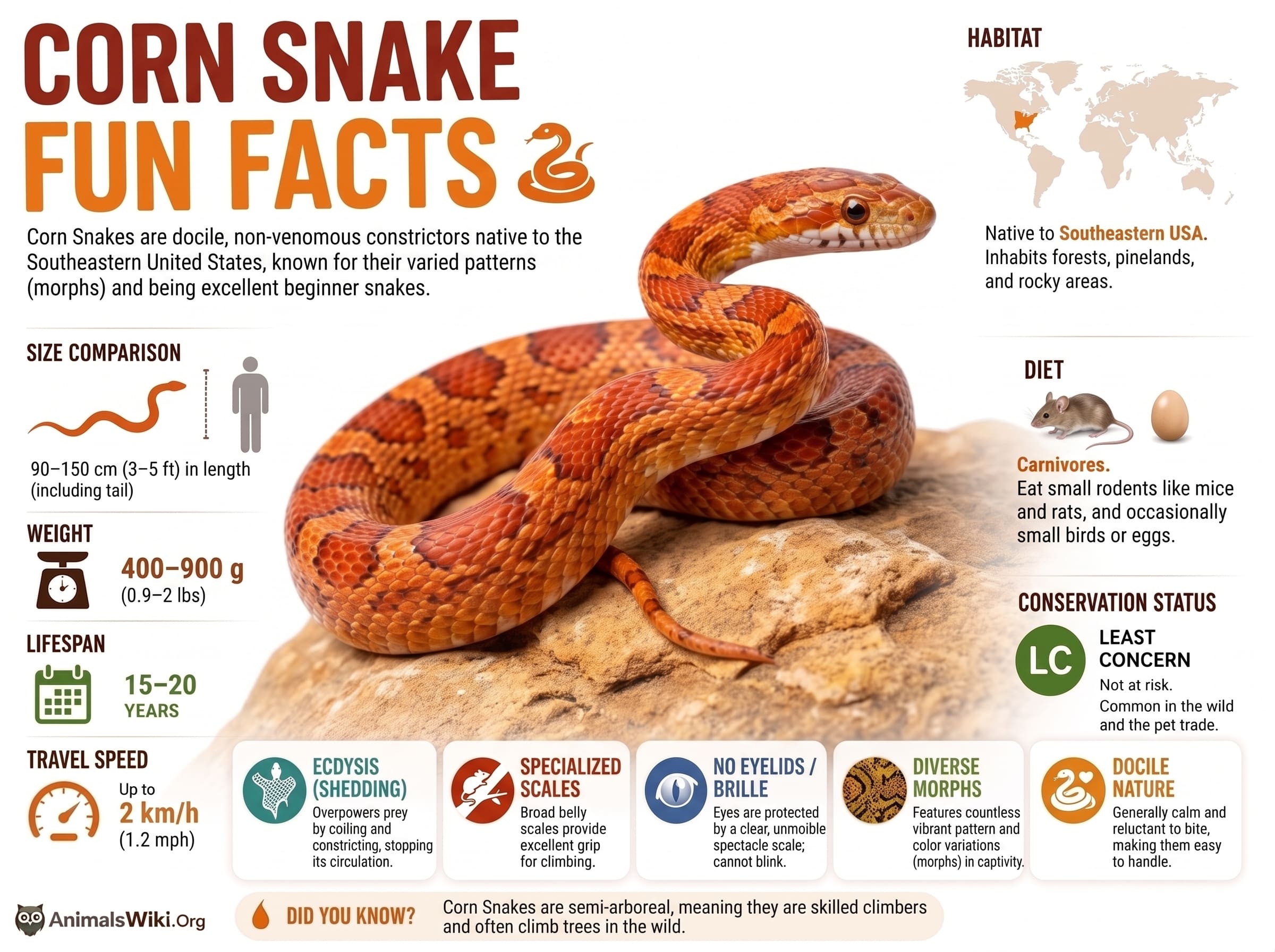
Snakes play a critical role in controlling rodent populations worldwide. A single rat snake may consume dozens of mice, rats, or voles per year — providing a natural pest control service of enormous agricultural and public health value. The decline of snake populations in South and Southeast Asia has been associated with surges in rodent populations and corresponding crop losses.
Monitor lizards serve as important predators and scavengers across African and Asian savannas. In Australia, the decline of large goanna (Varanus) populations following European settlement — caused by hunting and habitat destruction — allowed feral cat and fox populations to expand, contributing to declines in native mammals.
Sea turtles maintain the health of seagrass beds (by grazing them, preventing overgrowth) and coral reefs (by consuming sponges that would otherwise outcompete corals). Their nutrient-rich carcasses also support deep-sea ecosystems when they sink to the ocean floor.
As Prey
Reptiles — particularly snakes, lizards, and small turtles — are fundamental prey items for a vast array of birds, mammals, and other reptiles. In many ecosystems, reptiles represent a critical mid-trophic link between invertebrate prey (insects, worms) and larger vertebrate predators.
As Seed Dispersers
Giant tortoises serve as crucial seed dispersers in island ecosystems. On the Galápagos and Aldabra, tortoises consume and transport seeds of native plants across large distances, playing an ecological role once filled by large mammals. The extinction of giant tortoises from most oceanic islands has had measurable effects on native plant communities.
11. Conservation Status & Threats
The global reptile conservation crisis is only beginning to receive the attention it deserves. For decades, reptiles received far less conservation funding, research attention, and public sympathy than mammals and birds — despite facing equally serious threats.
A landmark study published in Nature in 2022 estimated that approximately 21% of reptile species are threatened with extinction — a proportion comparable to that of other vertebrate groups. Yet reptile conservation remains chronically underfunded.
Key Threats
Habitat Destruction is the primary driver of reptile decline globally. Tropical deforestation — particularly in Southeast Asia, Madagascar, and the Amazon — destroys the habitat of thousands of reptile species, many of which are endemic to tiny geographic ranges.
Invasive Species have proven catastrophic on islands particularly. The introduction of brown tree snakes (Boiga irregularis) to Guam by American military cargo after World War II resulted in the extinction of 12 of Guam’s 22 native forest bird species, 6 of its 12 native lizard species, and 2 of its 3 native bat species — the most devastating invasion-driven extinction event on any island in the 20th century.
Climate Change poses multiple simultaneous threats — altering thermal environments critical for ectotherms, skewing sex ratios through temperature-dependent sex determination, shifting precipitation patterns, raising sea levels that inundate nesting beaches, and intensifying extreme weather events.
Overexploitation — through hunting for food, skin, traditional medicine, and the pet trade — drives population decline across many species, particularly large reptiles like sea turtles, crocodilians, and pythons.
Persecution — rooted in fear and cultural bias — directly kills enormous numbers of snakes and other reptiles that are encountered by humans.
Comparison with Related Species Groups
| Group | # Species | % Threatened | Key Threats | Conservation Funding |
|---|---|---|---|---|
| Reptiles | ~11,700 | ~21% | Habitat, climate, trade | Low (historically) |
| Amphibians | ~8,400 | ~41% | Chytrid fungus, habitat, climate | Low |
| Mammals | ~5,900 | ~26% | Habitat, hunting, climate | High |
| Birds | ~10,800 | ~13% | Habitat, invasives, climate | High |
12. Famous Reptiles in Science, History & Pop Culture
Lonesome George — Perhaps the most famous reptile individual in history, Lonesome George was the last known Pinta Island tortoise (Chelonoidis abingdonii) in the world. Found on Pinta Island in 1971, he lived at the Charles Darwin Research Station in the Galápagos for decades. He died on June 24, 2012, without producing viable offspring, and his death marked the extinction of his subspecies. His preserved remains are displayed at the American Museum of Natural History in New York.
Jonathan — The world’s oldest living land animal as of 2026, Jonathan is a Seychelles giant tortoise (Aldabrachelys gigantea hololissa) living on the island of Saint Helena. Born approximately in 1832, he celebrated his estimated 192nd birthday in 2024 — making him a living link to the era of the Napoleonic Wars.
Komodo — The Komodo dragon featured in Sir David Attenborough’s numerous documentary appearances helped bring this extraordinary species to global attention and support for its conservation.
Reptiles in Pop Culture
Godzilla — The most famous fictional reptile of all time, Godzilla (Gojira) debuted in the 1954 Japanese film and became a global icon — a giant dinosaur-like creature inspired by Cold War nuclear anxieties. The franchise has produced 38 films across seven decades.
The Teenage Mutant Ninja Turtles — Created in 1984, Leonardo, Donatello, Michelangelo, and Raphael — four mutant turtle brothers trained in ninjutsu — became one of the defining pop culture phenomena of the late 1980s and 1990s, spanning comics, cartoons, films, and merchandise worth billions.
Jurassic Park (1993, Steven Spielberg) — While technically featuring dinosaurs (now understood to be birds’ direct ancestors), Jurassic Park reignited global fascination with the mesozoic reptile world, inspired careers in paleontology and herpetology, and remains one of the highest-grossing film franchises in history.
Nagini (Harry Potter series) — Voldemort’s giant serpent familiar became one of the most recognizable fictional snakes in modern literature and film.
The Crocodile Hunter — Steve Irwin’s extraordinary wildlife television career, centred on his passionate and fearless relationship with crocodiles, snakes, and other reptiles, made him one of the most beloved wildlife communicators in history and inspired millions of people to care about reptile conservation.
13. Myths, Folklore & Cultural Significance
No animal group looms larger in human mythology, religion, and symbolic tradition than reptiles — and particularly serpents. The snake, the dragon, and the turtle appear in the foundational stories of virtually every human culture on Earth.
Ancient Egypt — The uraeus (rearing cobra) was the supreme symbol of royal power, worn on the crowns of pharaohs. The cobra goddess Wadjet was the protector of Lower Egypt. The giant serpent Apep (Apophis) was the embodiment of chaos and the eternal enemy of the sun god Ra.
Ancient Greece & Rome — The serpent was the emblem of Asclepius, god of healing — a symbolism that persists in the Rod of Asclepius (a single snake entwined around a staff) still used in medical symbolism worldwide. The Gorgon Medusa’s serpent hair and the Lernaean Hydra are among Greek mythology’s most enduring images.
Hinduism — Serpents (Nagas) occupy a central place in Hindu cosmology. The great serpent Shesha (Ananta) supports the universe, with the god Vishnu resting upon its coils. Vasuki, the king of serpents, was used as a rope in the churning of the cosmic ocean. The cobra is worn by Shiva and is considered sacred across much of India — living cobras in some temples receive offerings and are treated with reverence.
Ancient Mesopotamia — The Epic of Gilgamesh — humanity’s oldest written narrative — features a serpent as the agent that steals Gilgamesh’s hard-won plant of immortality. This story predates and parallels the serpent in Genesis by over a thousand years.
Abrahamic Traditions — The serpent in the Garden of Eden is one of the most consequential animals in religious literature — the agent of humanity’s fall from grace in the Book of Genesis, later interpreted in Christianity as a manifestation of Satan. This association has profoundly shaped Western cultural attitudes toward snakes for thousands of years.
Aztec and Maya — Quetzalcoatl — the feathered serpent — was among the most important deities of Mesoamerican civilization, associated with wind, air, learning, and the planet Venus. The massive pyramid of Chichén Itzá was designed so that at the spring equinox, shadows create the illusion of a serpent descending its staircase.
Chinese and East Asian cultures — The dragon (long, 龍) is the supreme symbol of imperial power, good fortune, and natural forces in Chinese culture — a benevolent, water-associated creature associated with the emperor and prosperity. Unlike the malevolent dragons of European tradition, Chinese dragons are overwhelmingly positive figures.
Indigenous Australian traditions — The Rainbow Serpent (Yurlunggur and many regional names) is one of the most widespread and important figures in Aboriginal Australian spirituality — a creator deity associated with water, fertility, and the creation of landscapes. It is among the oldest continuously held religious traditions in the world.
Native American traditions — The Horned Serpent appears in the mythology of numerous Indigenous North American peoples, associated with water, storms, and powerful supernatural forces. The rattlesnake features prominently in the ceremonial traditions of many Southwestern nations.
14. Best Places to See Reptiles in the Wild
The Galápagos Islands, Ecuador The single greatest reptile destination on Earth. Marine iguanas bask on black lava rocks by the hundreds, giant tortoises roam highland forests, and endemic land iguanas patrol dry lowlands. The Galápagos is uniquely accessible, with strict visitor management ensuring minimal wildlife disturbance.
Komodo National Park, Indonesia The only place on Earth to observe wild Komodo dragons — the world’s largest lizards. The park also has excellent populations of water monitors, sea turtles, and remarkable marine reptile diversity in surrounding waters.
Everglades National Park, Florida, USA An extraordinary subtropical wilderness hosting American alligators (and increasing numbers of invasive Burmese pythons), American crocodiles, and over 50 reptile species including numerous turtle and snake species.
The Amazon Basin, Brazil/Peru/Colombia The world’s richest reptile ecosystem — anacondas, caimans, hundreds of snake and lizard species, river turtles, and rarely-observed species in extraordinary diversity. River and jungle expeditions with knowledgeable local guides offer the best experiences.
Sri Lanka A remarkable island for reptile diversity — endemic lizards, Indian star tortoises, multiple monitor lizard species, and the extraordinary saltwater crocodile populations in coastal waterways.
Madagascar The world capital of chameleon diversity, with over 100 species endemic to the island. Gecko diversity is equally extraordinary. Responsible ecotourism here directly supports conservation of irreplaceable reptile communities.
Chitwan National Park, Nepal / Kaziranga, India Prime habitats for the critically endangered gharial (Gavialis gangeticus) — the most distinctive of all living crocodilians, with its elongated, fish-catching snout — as well as mugger crocodiles and Indian softshell turtles.
Kakadu National Park, Northern Territory, Australia Massive saltwater crocodiles, freshwater crocodiles, extraordinary diversity of snakes and goannas (monitor lizards), and the experience of Australia’s wild northern territory make Kakadu a world-class reptile destination.
You may also like: Complete Guide to the World’s Most Venomous Animals | Top 10 Most Endangered Reptiles | The Ultimate Galápagos Wildlife Guide
15. How You Can Help
Support Reptile Conservation Organizations
- IUCN SSC Tortoise and Freshwater Turtle Specialist Group — the global authority on chelonian conservation
- Reptile & Amphibian Ecology International (RAEI) — field conservation and research
- The Orianne Society — focused on rare and imperiled reptiles and amphibians in North America
- Sea Turtle Conservancy (conserveturtles.org) — the world’s oldest sea turtle research and conservation organization, operating since 1959
- African Wildlife Foundation — supports crocodilian and monitor lizard conservation across Africa
- Wildlife Conservation Society (WCS) — operates reptile conservation programs worldwide
Practical Actions
- Never purchase wild-caught reptiles — always verify that pet reptiles are captive-bred before purchasing
- Respect reptiles in the wild — never handle, disturb, or relocate snakes or other reptiles encountered outdoors
- Report illegal wildlife trade — if you observe reptiles being sold illegally, contact local wildlife authorities or report to TRAFFIC (traffic.org)
- Reduce plastic consumption — plastic pollution kills sea turtles and other marine reptiles in enormous numbers
- Support beach protection — responsible ecotourism at sea turtle nesting beaches directly funds conservation
- Educate others — combat the fear and persecution of snakes by sharing accurate information
Top Documentaries & Books
- Planet Earth II (2016), BBC — features extraordinary reptile sequences, including the iconic marine iguana vs. racer snake scene from the Galápagos
- David Attenborough’s Life in Cold Blood (2008), BBC — the definitive reptile documentary series
- The Reptile Room by Lemony Snicket (1999) — a children’s novel that introduced many young readers to the world of herpetology
- Snakes: The Evolution of Mystery in Nature by Harry Greene (1997) — a magnificent natural history of snakes by one of the world’s leading herpetologists
- The Rise of Reptiles by Hans-Dieter Sues (2019) — a comprehensive account of reptile evolutionary history
16. Reptile Fun Facts for Kids
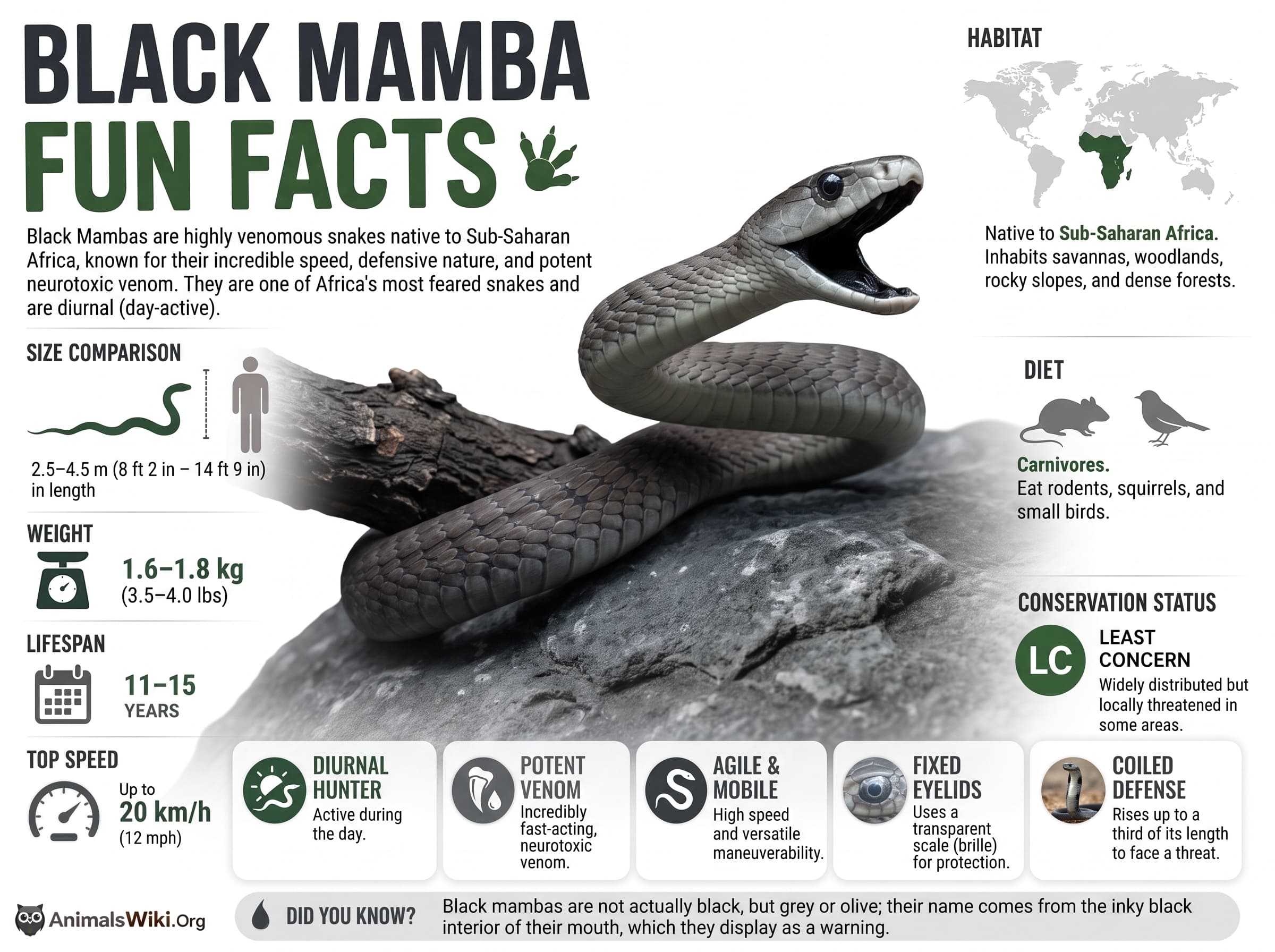
- The black mamba (Dendroaspis polylepis) — Africa’s longest venomous snake — can travel at speeds of up to 19 km/h, making it the world’s fastest snake and one of the few capable of moving faster than a running human
- Crocodiles have been observed using sticks as tools — balancing sticks on their snouts during bird nesting season, apparently to lure birds collecting nesting material — one of the very few tool-use behaviors documented in non-mammalian, non-avian vertebrates
- The basilisk lizard of Central America can run on water — using rapid leg movements to create pockets of air that temporarily support its weight — earning it the nickname “the Jesus Christ lizard”
- All crocodilians have a four-chambered heart, as do birds — the most recent common ancestor of crocodiles and birds was the last non-avian archosaur, making crocodiles more closely related to birds than to lizards
- The gecko’s ability to walk on walls and ceilings is achieved through millions of microscopic hair-like structures called setae on their toe pads, which exploit van der Waals forces — weak molecular attractions between the setae and any surface — not suction or sticky chemicals
- King cobras build nests for their eggs — the only snake species known to do so — and guard them aggressively during the incubation period
- The flying snake (Chrysopelea) of Southeast Asia can launch itself from trees, flatten its body into a concave “C” shape, and glide distances of up to 10 metres, undulating in mid-air to control direction
- Sea turtles return to the exact beach where they were born to lay their own eggs — sometimes crossing thousands of kilometres of open ocean navigating by the Earth’s magnetic field
17. Frequently Asked Questions About Reptiles
Q1: What exactly makes an animal a reptile?
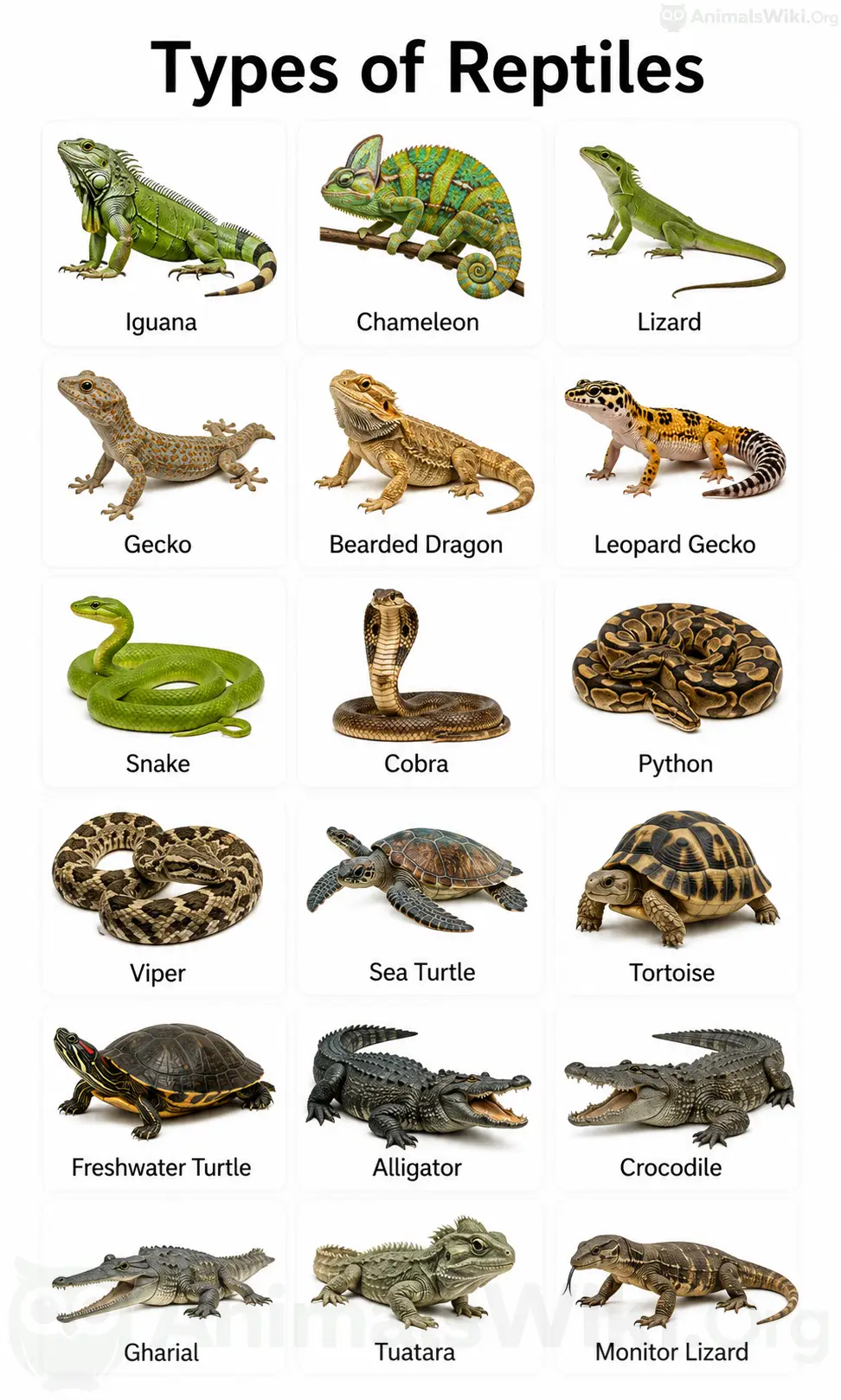
A reptile is a member of the class Reptilia — a group of amniote vertebrates (vertebrates whose embryos are enclosed in amniotic membranes) characterized by dry, scaly skin made of keratin; ectothermy (reliance on external heat sources to regulate body temperature); and a generally terrestrial body plan. The four living orders are Squamata (lizards, snakes, and amphisbaenians), Testudines (turtles and tortoises), Crocodilia (crocodiles, alligators, and gharials), and Rhynchocephalia (tuatara). Note that in modern phylogenetic classification, birds are technically reptiles — they are a branch of the dinosaur lineage nested within the reptile family tree.
Q2: Are reptiles really cold-blooded?
“Cold-blooded” is a somewhat misleading popular term for what scientists more precisely call ectothermy — the regulation of body temperature primarily through behavioral means (basking in sunlight, seeking shade, moving between warm and cool environments) rather than through internally generated metabolic heat (as mammals and birds do). Reptiles are not actually cold — a basking desert lizard may have a body temperature exceeding 40°C. They simply regulate that temperature externally rather than internally. This strategy requires far less food than mammalian endothermy — a crocodile may eat only 50 meals per year where a similarly sized mammal would need hundreds.
Q3: How many reptile species are there?
As of 2026, approximately 11,700+ species of reptiles have been formally described by science. This number continues to grow as new species are discovered — particularly through DNA analysis that reveals previously unknown species hidden within what appeared to be single wide-ranging species. Approximately 100–150 new reptile species are described by science each year.
Q4: Which reptile is the most dangerous to humans?
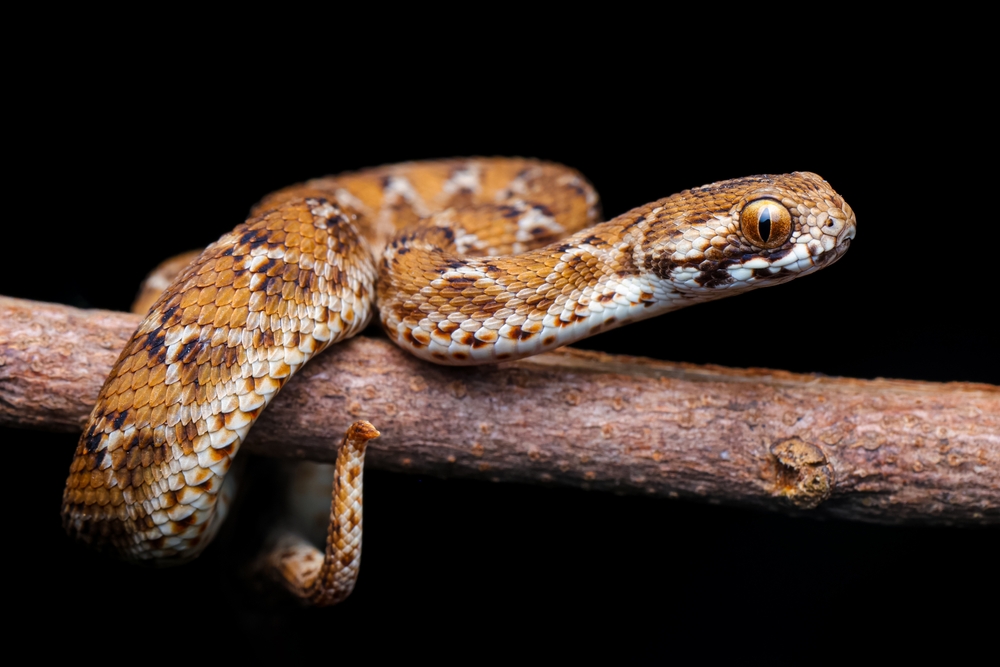
The saltwater crocodile (Crocodylus porosus) is considered the most dangerous reptile to humans globally, responsible for hundreds of attacks and dozens of deaths per year across its range in South and Southeast Asia and northern Australia. Among snakes, the Russell’s viper (Daboia russelii) and the saw-scaled viper (Echis carinatus) are responsible for more human deaths than any other snake species. The inland taipan has the most toxic venom of any snake but lives in remote areas and bites very few humans. Globally, snakebite kills an estimated 81,000–138,000 people per year.
Q5: Can reptiles feel emotion?
Modern research suggests that reptiles have more complex inner lives than previously assumed. Reptiles have been documented showing individual preferences, play behavior (particularly monitor lizards and tegus), recognition of individual humans, and responses to environmental enrichment that suggest they are not simply robotic stimulus-response machines. Whether they experience subjective emotional states comparable to mammalian emotions remains an open and actively studied scientific question. Most herpetologists today advocate treating reptile welfare seriously, regardless of unresolved questions about subjective experience.
Q6: Do reptiles make good pets?
Many reptile species are kept successfully as pets — bearded dragons, leopard geckos, ball pythons, blue-tongued skinks, and Russian tortoises are among the most popular and manageable species for responsible keepers. However, reptile keeping requires serious commitment: proper thermoregulation equipment, UV-B lighting (essential for most diurnal species), appropriate humidity, space, and diet. Many reptiles live 20–50+ years — a commitment few people anticipate when purchasing a young animal. Prospective reptile owners should extensively research species-specific requirements before acquisition and should always choose captive-bred animals from reputable sources.
Q7: Are snakes really as dangerous as people think?
The vast majority of the world’s ~3,900 snake species are completely harmless to humans — non-venomous and either too small to bite effectively or completely disinclined to do so. Of the roughly 600 venomous species, only approximately 200 are considered medically significant. Snakes bite humans primarily in self-defense when stepped on, handled, or cornered. The most effective snakebite prevention is wearing appropriate footwear in snake habitat and looking where you step. Most snakes will flee rather than confront a human if given the opportunity. The ecological importance of snakes in controlling rodent populations makes their persecution particularly damaging to the agricultural communities that most fear them.
Q8: What is the rarest reptile in the world?
Several candidates compete for this title. The Yangtze giant softshell turtle (Rafetus swinhoei) is critically endangered, with possibly only 2–3 individuals known to survive as of 2026, making it arguably the rarest reptile. The Jamaican iguana (Cyclura collei) was thought extinct until a small population was rediscovered in 1990 and remains critically endangered. The Madagascar spider tortoise (Pyxis arachnoides) and several Brookesia chameleon species from Madagascar are also among the world’s most critically endangered reptiles.
18. Sources Researched
- Reptile Images — shutterstock.com
- Wikipedia — en.wikipedia.org/wiki/Reptile
- National Geographic — nationalgeographic.com
- WWF (World Wildlife Fund) — worldwildlife.org
- IUCN Red List — iucnredlist.org
- Britannica — britannica.com/animal/reptile
- Smithsonian’s National Zoo — nationalzoo.si.edu
- Smithsonian Institution — si.edu (paleontology and evolution resources)
- Australian Reptile Online Database (AROD) — arod.com.au
- The Reptile Database — reptile-database.org (global species database)
- Sea Turtle Conservancy — conserveturtles.org
- TRAFFIC — traffic.org (wildlife trade monitoring)
- Nature (journal) — nature.com (2022 global reptile conservation assessment)
- Harry Greene, “Snakes: The Evolution of Mystery in Nature” (1997)
- Lynne Isbell, “The Fruit, the Tree, and the Serpent” (2009)
- Charles Darwin Research Station / Galápagos Conservancy
Reptile Images (Shutterstock)