Dinosaur Facts
| Feature | Details |
|---|---|
| Scientific Group | Clade Dinosauria (within Archosauria) |
| Classification | Two major groups: Saurischia (lizard-hipped) & Ornithischia (bird-hipped) |
| First Appearance | ~231–243 million years ago (Late Triassic Period) |
| Extinction Event | ~66 million years ago (Cretaceous-Paleogene boundary) |
| Living Descendants | ~10,800 species of birds (Class Aves) — avian dinosaurs |
| Estimated Species | ~1,000+ non-avian dinosaur species named; thousands more likely existed |
| Size Range | 50 cm (Microraptor) to 40+ m (Patagotitan mayorum) |
| Weight Range | <1 kg (small feathered species) to ~70 tonnes (Argentinosaurus est.) |
| Diet | Herbivores, carnivores, omnivores, piscivores, insectivores |
| Habitat | Every continent including Antarctica |
| Body Temperature | Evidence suggests many were warm-blooded (endothermic) or mesothermic |
| Feathers | Confirmed in many theropod dinosaurs; likely widespread across the group |
| Key Threat (prehistoric) | Chicxulub asteroid impact + Deccan volcanic activity, ~66 Ma |
| Conservation Status | Non-avian: extinct; Avian (birds): 13% of ~10,800 species threatened |
1. What Are Dinosaurs? – Species Overview & Classification
Few words in the English language carry as much weight — as much wonder, as much childhood excitement, as much scientific significance — as the single word: dinosaur.
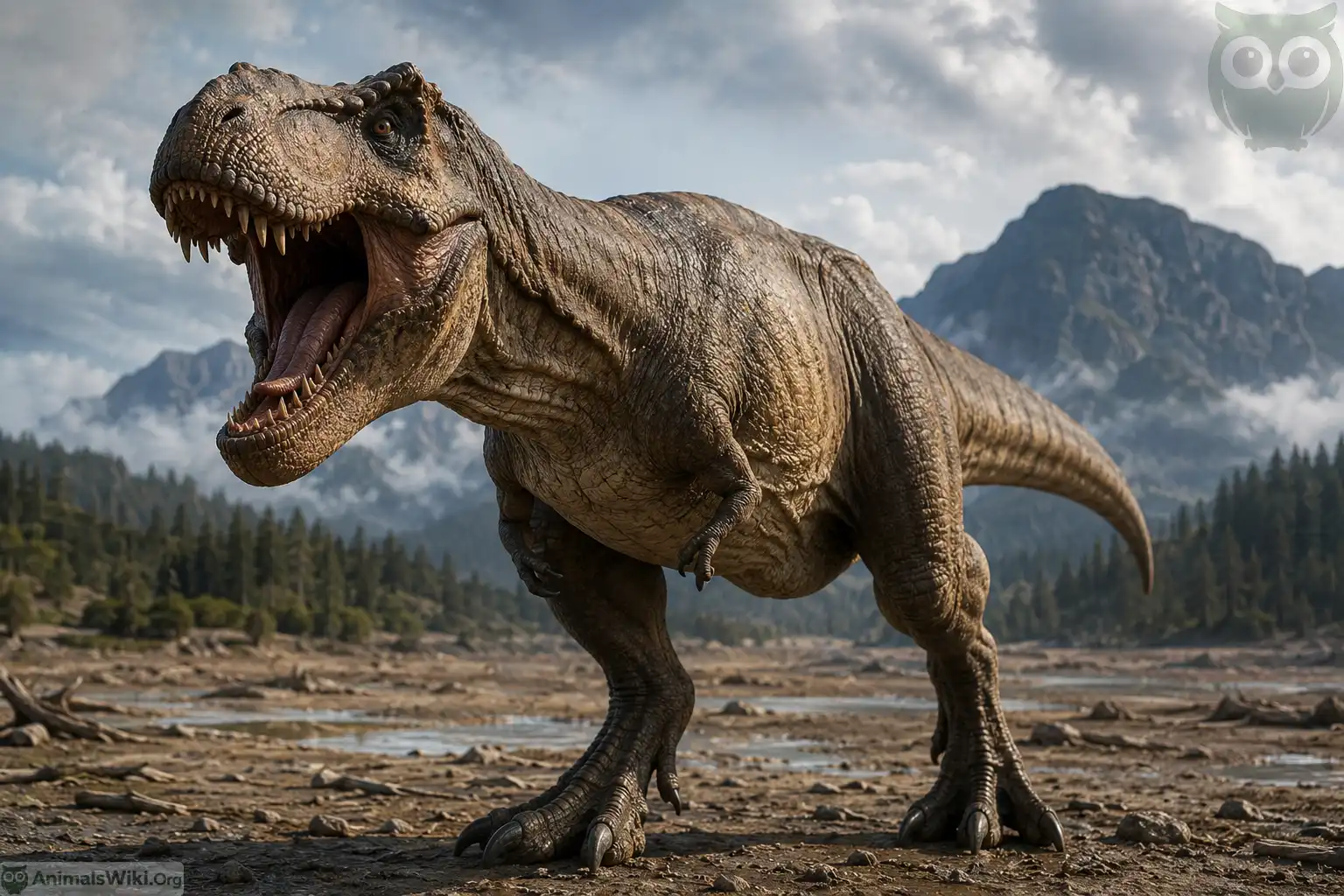
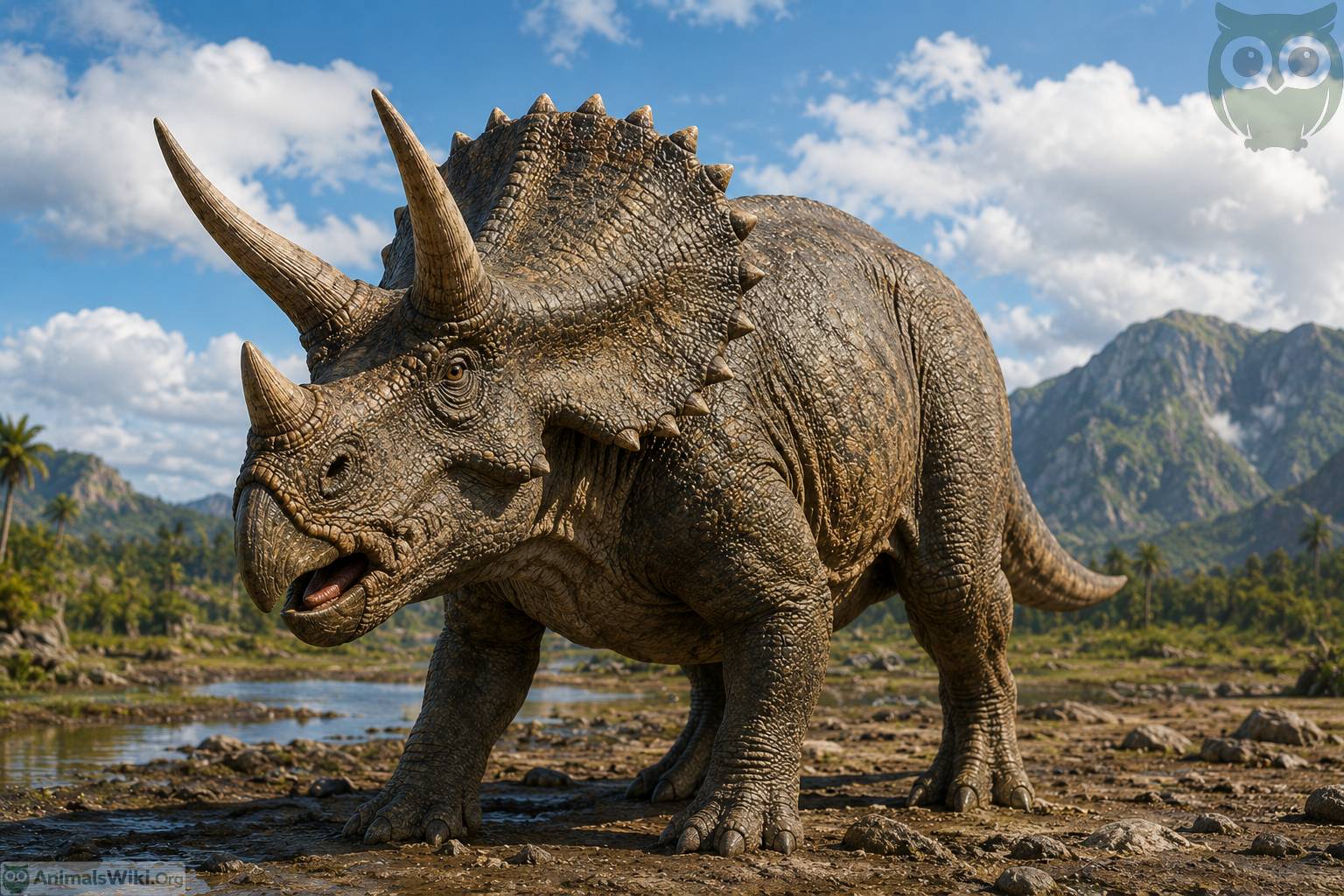
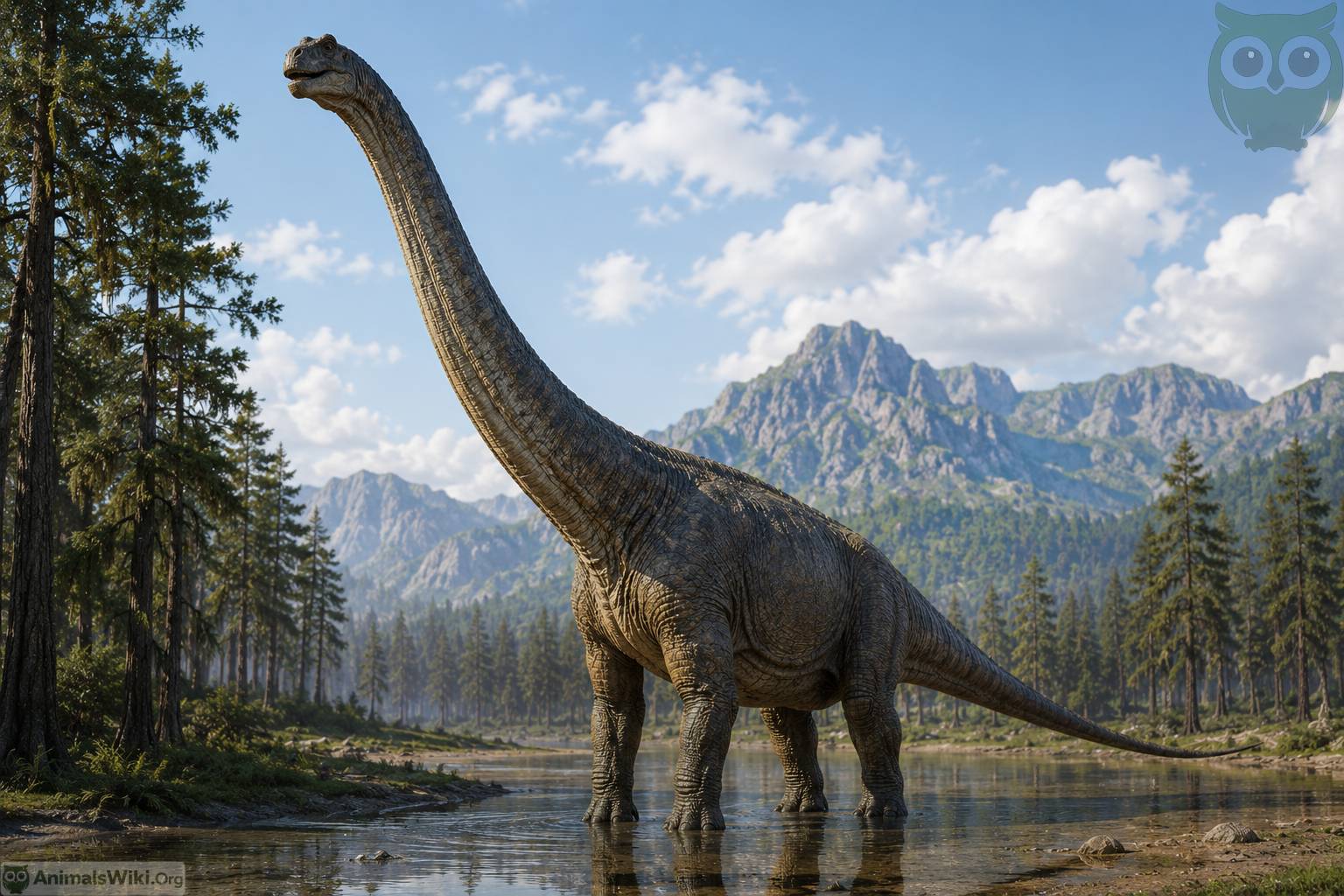
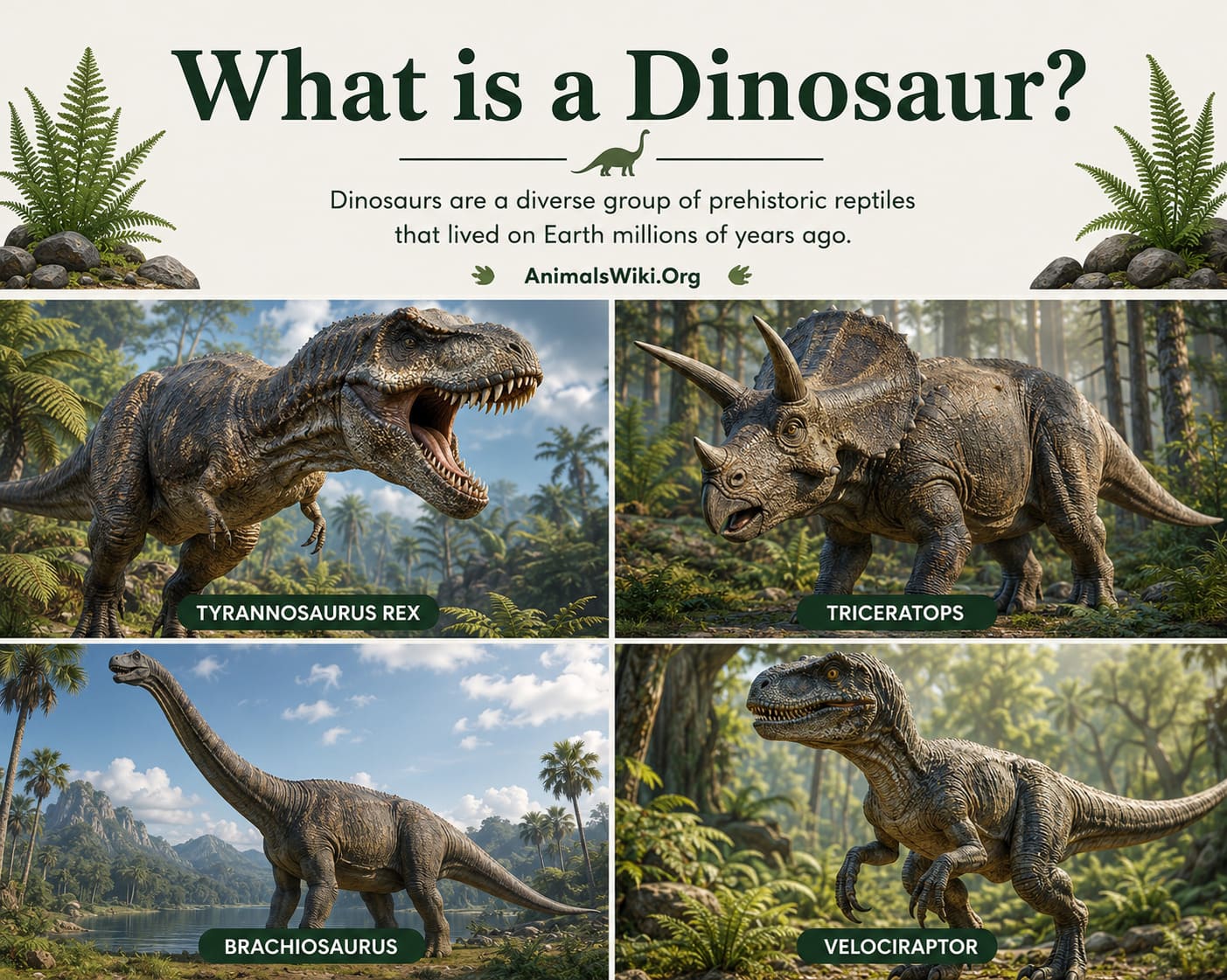
And yet, for all that emotional resonance, most people’s mental image of a dinosaur is surprisingly narrow. A roaring Tyrannosaurus. A long-necked Brachiosaurus reaching for treetops. Perhaps a horned Triceratops squaring off against a predator. These are real and extraordinary animals — but they represent only the tiniest slice of what dinosaurs actually were, and what they actually are.
Because here is the most startling fact in all of paleontology: dinosaurs are not extinct. Not entirely. Every bird you have ever seen — every sparrow, every eagle, every penguin, every chicken — is a living dinosaur. Birds are not merely descended from dinosaurs. They are dinosaurs — a branch of the theropod lineage that survived the Cretaceous-Paleogene extinction event 66 million years ago and subsequently radiated into the approximately 10,800 species of avian dinosaurs alive in the world today.
With that context established, this article explores the full scope of dinosaur life — from their origins in the Triassic Period to the extraordinary diversity of their Mesozoic reign, to the science of their discovery, the culture of their popular imagination, and the living representatives that surround us today.
What Exactly Is a Dinosaur?
The word “dinosaur” was coined by the British anatomist Sir Richard Owen in 1842, derived from the Greek words deinos (terrible/wondrous) and sauros (lizard). But dinosaurs are not lizards — they are a distinct evolutionary group within the broader Archosauria, the clade that also includes crocodilians and pterosaurs.
Dinosaurs are distinguished from other archosaurs by a specific set of anatomical features — most importantly, a fully erect posture with legs positioned directly beneath the body (rather than sprawling to the sides, as in lizards and crocodiles). This seemingly simple postural innovation had profound consequences for size, speed, and energetics — enabling the extraordinary range of body sizes that dinosaurs eventually achieved.
The Two Great Dinosaur Lineages
| Feature | Saurischia (Lizard-Hipped) | Ornithischia (Bird-Hipped) |
|---|---|---|
| Hip Structure | Pubis points forward | Pubis points backward |
| Major Subgroups | Theropods + Sauropodomorphs | Thyreophorans, Ornithopods, Marginocephalians |
| Examples | T. rex, Velociraptor, Brachiosaurus | Triceratops, Stegosaurus, Iguanodon |
| Living Descendants | Birds (avian theropods) | None surviving |
| Diet | Carnivores and giant herbivores | Primarily herbivores |
Counterintuitively, birds — with their backward-pointing pubis — actually evolved from the Saurischia (lizard-hipped) lineage, not the Ornithischia (bird-hipped) lineage. This is one of paleontology’s great anatomical ironies.
Major Dinosaur Groups — Classification Overview
| Group | Clade | Famous Examples | Era of Dominance |
|---|---|---|---|
| Theropods | Saurischia | T. rex, Velociraptor, Spinosaurus | Triassic–Cretaceous |
| Sauropods | Saurischia | Brachiosaurus, Diplodocus, Argentinosaurus | Jurassic–Cretaceous |
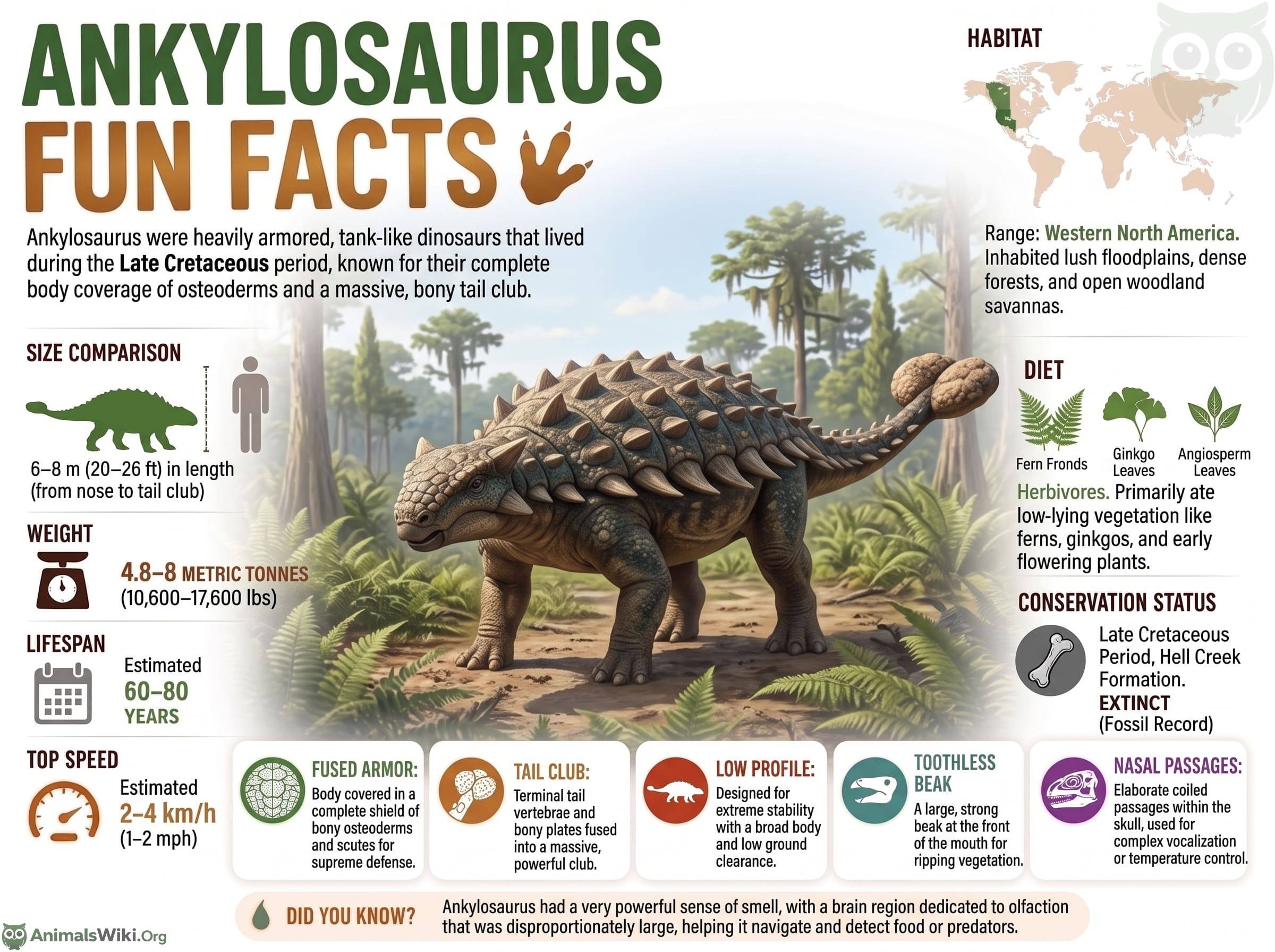
| Ankylosaurs | Ornithischia | Ankylosaurus, Euoplocephalus | Cretaceous |
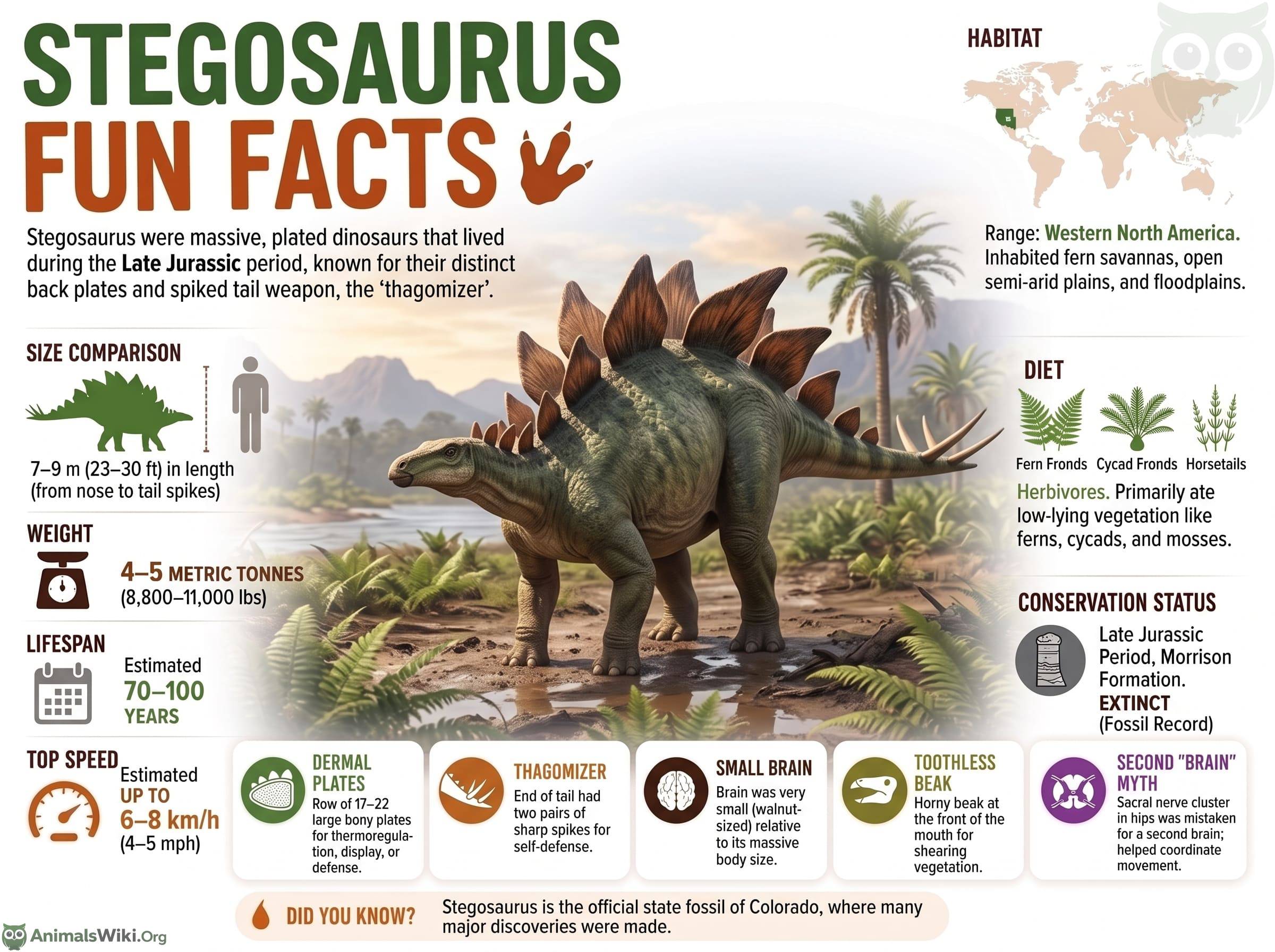
| Stegosaurs | Ornithischia | Stegosaurus, Kentrosaurus | Jurassic |
| Ceratopsians | Ornithischia | Triceratops, Protoceratops, Styracosaurus | Cretaceous |
| Hadrosaurs | Ornithischia | Parasaurolophus, Edmontosaurus | Cretaceous |
| Pachycephalosaurs | Ornithischia | Pachycephalosaurus, Stygimoloch | Cretaceous |
| Ornithopods | Ornithischia | Iguanodon, Tenontosaurus | Jurassic–Cretaceous |
“Dinosaurs were not failures — they were one of the greatest evolutionary success stories in the history of life. They dominated terrestrial ecosystems for over 160 million years. For comparison, our own genus has existed for less than 3 million.” — Dr. Paul Sereno, paleontologist, University of Chicago
2. Physical Description & Unique Features
The physical diversity of non-avian dinosaurs is so extraordinary that it rivals — and in some respects exceeds — the entire diversity of modern terrestrial vertebrates. Over the course of approximately 165 million years, dinosaurs evolved into every size class, dietary niche, and ecological role available in terrestrial environments.
Size Extremes
At one extreme, Patagotitan mayorum — a titanosaur sauropod from Cretaceous Argentina — is estimated to have weighed approximately 69–77 tonnes and measured over 37 metres in length, making it among the largest terrestrial animals ever to have lived. At the other extreme, Microraptor gui — a four-winged feathered dinosaur from Cretaceous China — was approximately 55–77 cm in length and weighed less than a kilogram.
Size Comparison Table
| Dinosaur | Length | Est. Weight | Group | Period |
|---|---|---|---|---|
| Patagotitan mayorum | 37+ m | 69–77 tonnes | Sauropod | Cretaceous |
| Argentinosaurus | 30–40 m | 70–80 tonnes (est.) | Sauropod | Cretaceous |
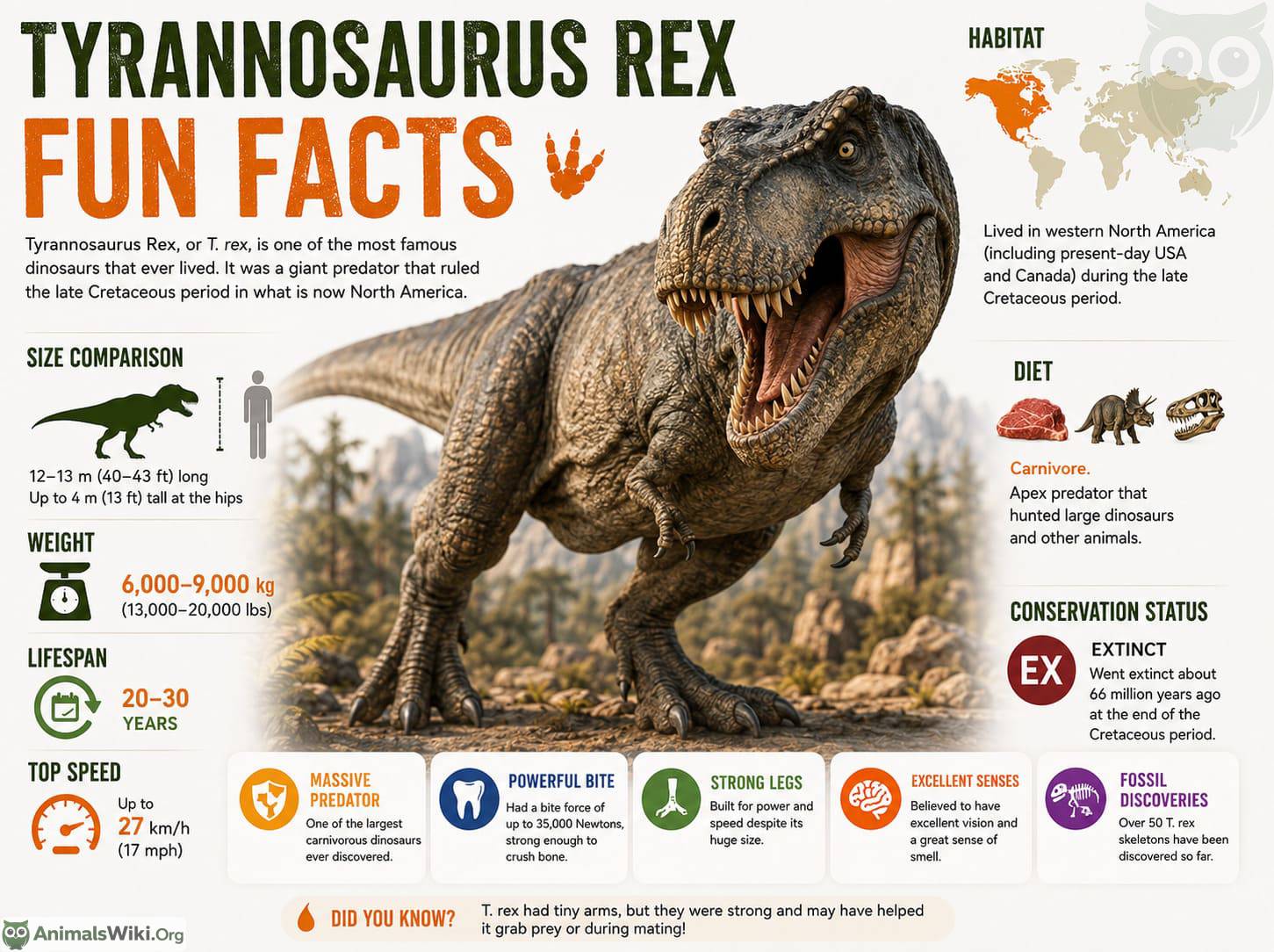
| Tyrannosaurus rex | 12–13 m | 8–14 tonnes | Theropod | Cretaceous |
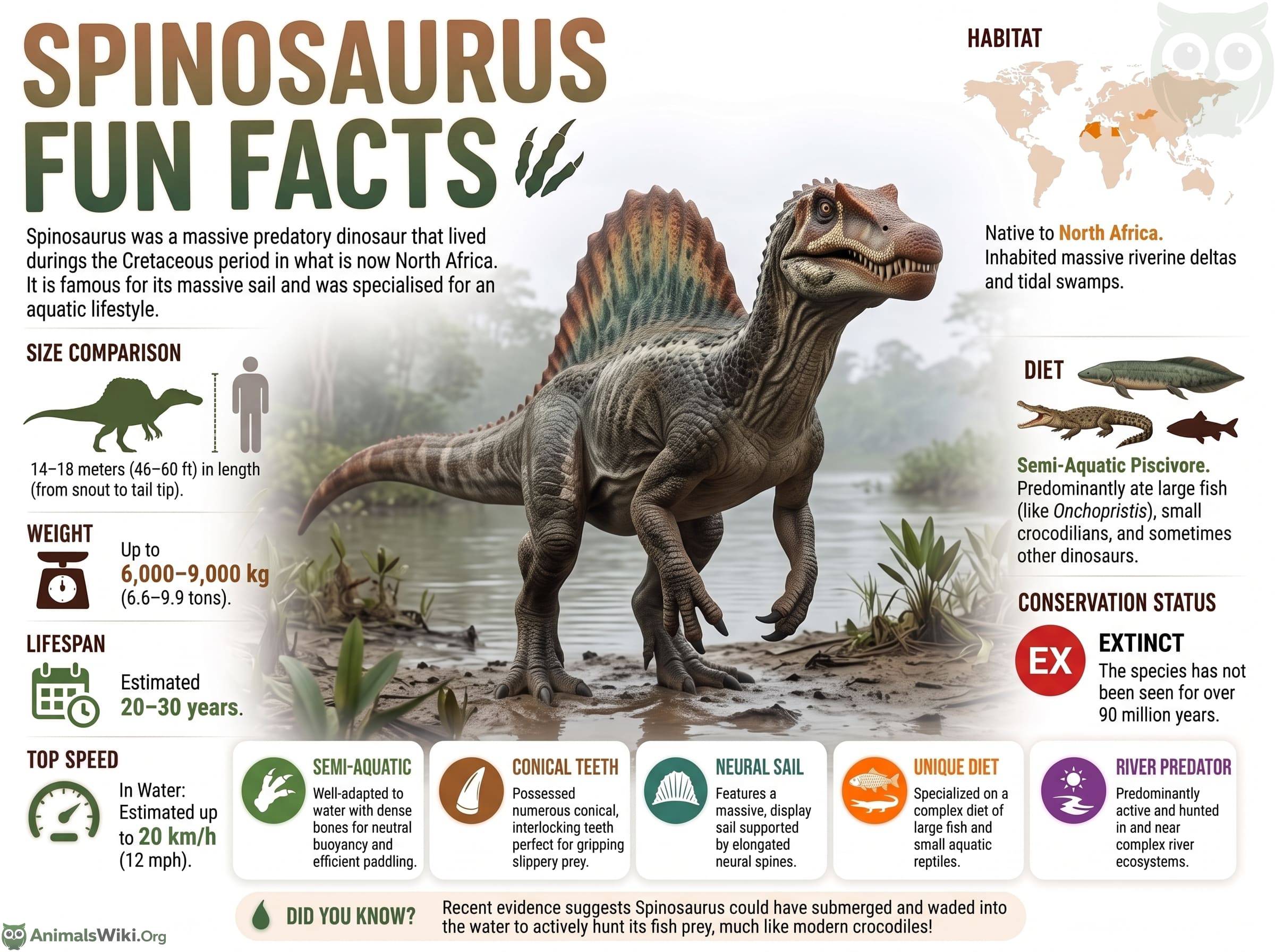
| Spinosaurus aegyptiacus | 14–15 m | 7–20 tonnes | Theropod | Cretaceous |
| Triceratops horridus | 8–9 m | 6–12 tonnes | Ceratopsian | Cretaceous |
| Stegosaurus stenops | 6–9 m | 2–7 tonnes | Stegosaur | Jurassic |
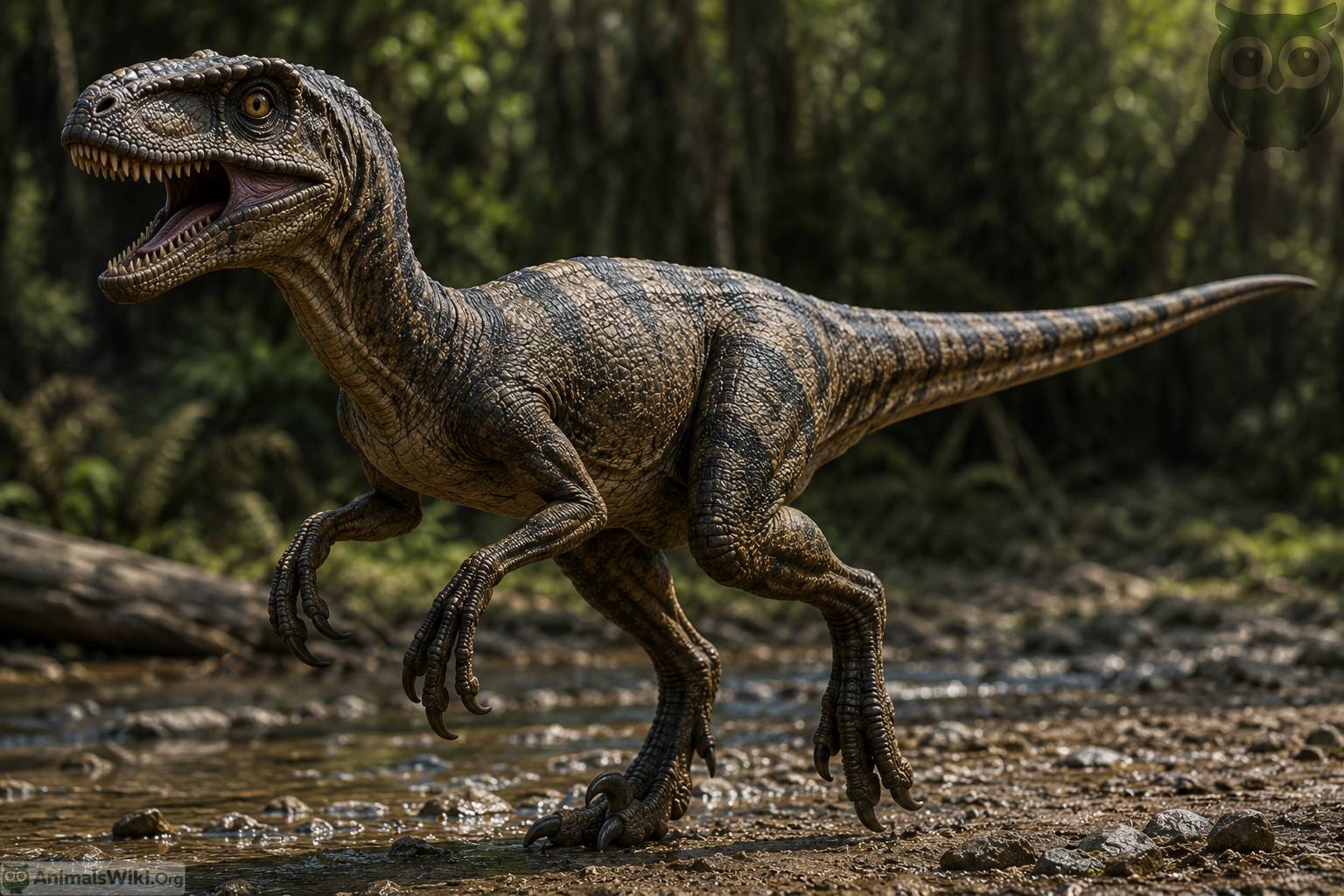
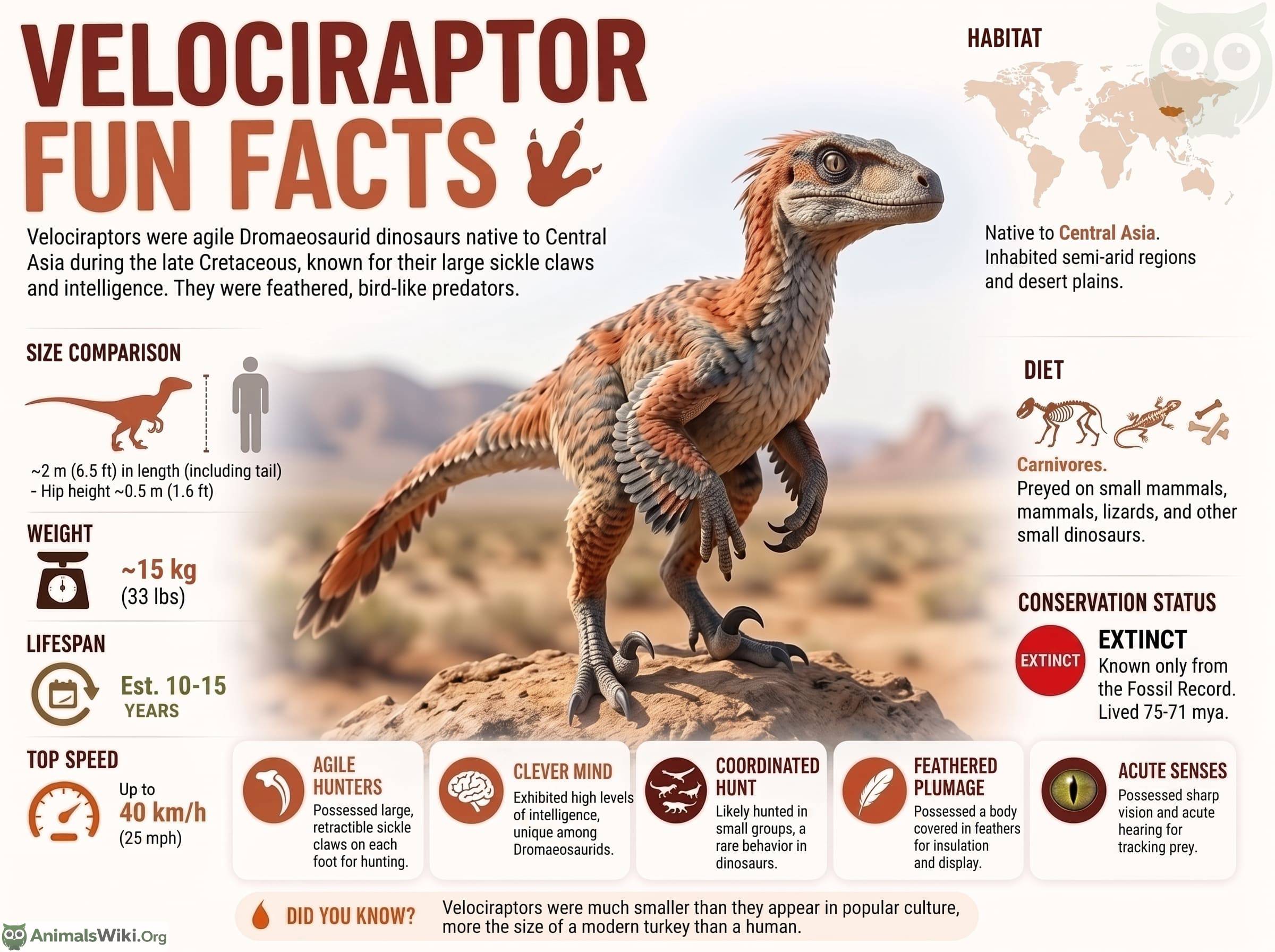
| Velociraptor mongoliensis | 1.8–2 m | 15–30 kg | Theropod | Cretaceous |
| Microraptor gui | 55–77 cm | 0.5–1 kg | Theropod | Cretaceous |
Feathers — The Revolution in Dinosaur Science
Perhaps the most transformative development in paleontology over the past 30 years has been the discovery that feathers were far more widespread among dinosaurs than anyone previously imagined. Beginning with extraordinary fossil discoveries from China’s Yixian Formation in the 1990s and continuing through the present day, researchers have established that feathers evolved among theropod dinosaurs long before the origin of birds.
Known or strongly inferred feathered non-avian dinosaurs include Velociraptor, Yutyrannus, Sinosauropteryx, Anchiornis, Caudipteryx, Sinornithosaurus, and dozens more. Even large tyrannosaurids may have had some feathering — Yutyrannus huali, a large tyrannosaur from Early Cretaceous China, preserved filamentous feathers across much of its body.
This realization has fundamentally transformed the visual image of dinosaurs — the naked, lizard-like creatures of early 20th-century art are increasingly replaced by feathered, dynamic, often brightly colored animals that look far more like oversized, exotic birds than like reptiles.
Did You Know? The T. rex’s closest living relatives are not crocodiles or lizards — they are birds. Specifically, chickens and ostriches are more closely related to Tyrannosaurus rex than any reptile alive today. Protein analysis of T. rex bone collagen has confirmed molecular similarities to modern birds — supporting the evolutionary relationship established by skeletal anatomy.
3. Natural Habitat & Geographic Range
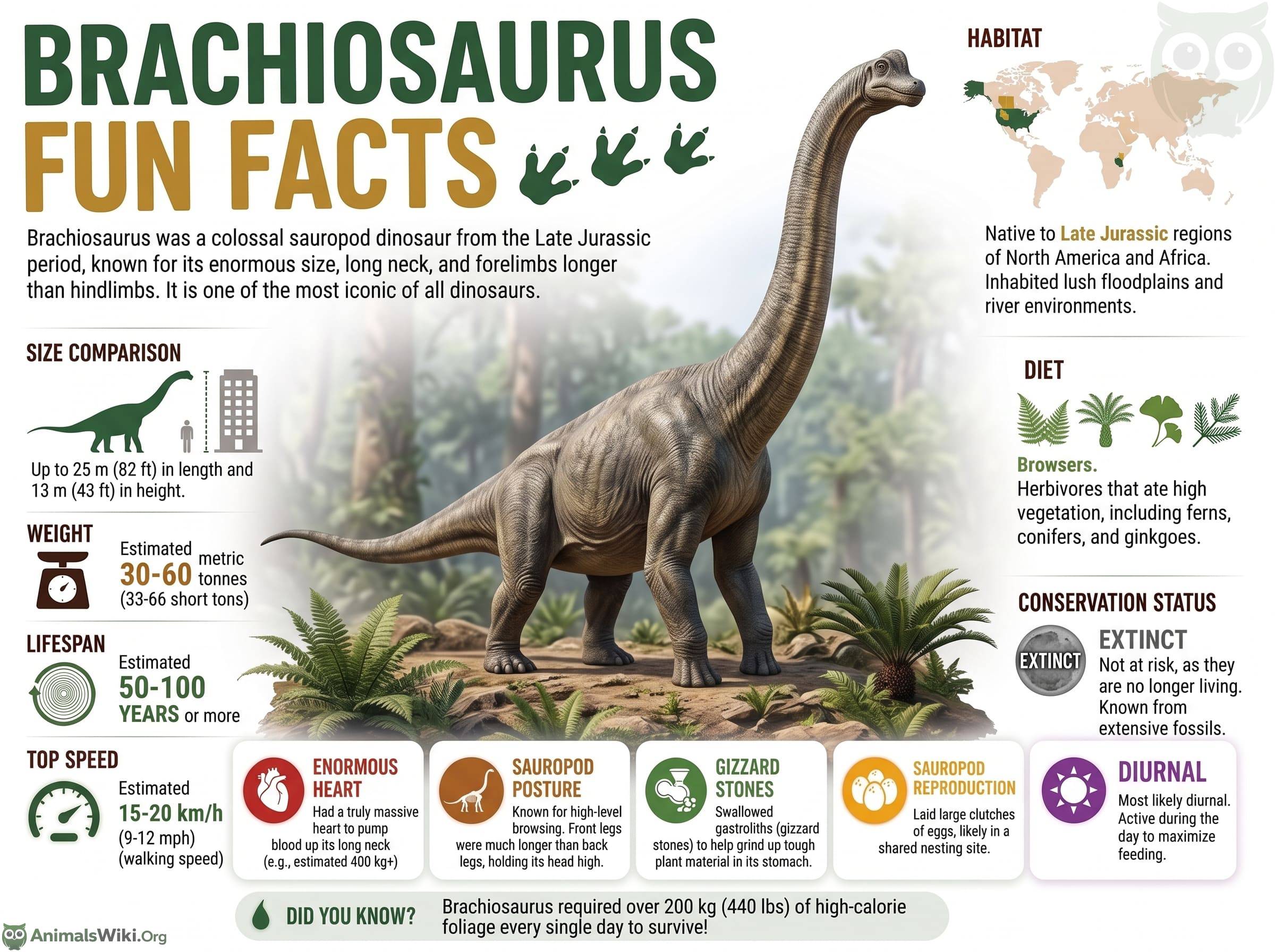
Dinosaurs were not restricted to any single type of environment. Over their 165-million-year reign, they colonized every terrestrial habitat available — from tropical coastal plains to polar forests, from arid desert landscapes to densely vegetated floodplains and river deltas.
Habitat Range by Continent
| Continent | Key Fossil Sites | Notable Dinosaur Finds |
|---|---|---|
| North America | Hell Creek (Montana), Morrison Formation | T. rex, Triceratops, Stegosaurus, Diplodocus |
| South America | Patagonia (Argentina), Brazil | Argentinosaurus, Carnotaurus, Abelisaurus |
| Asia | Gobi Desert (Mongolia/China), Yixian (China) | Velociraptor, Protoceratops, feathered theropods |
| Africa | Tendaguru (Tanzania), Sahara | Spinosaurus, Carcharodontosaurus, Giraffatitan |
| Europe | England, Germany, Portugal, Romania | Iguanodon, Baryonyx, Archaeopteryx |
| Australia | Queensland, Victoria | Australovenator, Diamantinasaurus |
| Antarctica | James Ross Island | Cryolophosaurus, Antarctopelta |
| India | Deccan region | Rajasaurus, Isisaurus |
The presence of dinosaur fossils on every continent — including Antarctica — reflects the very different geography of the Mesozoic world. During the Triassic and Early Jurassic, all continents were joined in the supercontinent Pangaea, allowing dinosaurs to spread globally. As Pangaea fragmented through the Jurassic and Cretaceous, isolated continental masses developed increasingly distinct dinosaur communities.
Antarctica deserves particular note — when dinosaurs lived there, it was not the frozen desert it is today. Polar dinosaurs like Cryolophosaurus (nicknamed “Elvisaurus” for the crest on its head) lived in forests that experienced months of winter darkness, suggesting these animals could cope with seasonally cold conditions — evidence that many dinosaurs were more physiologically flexible than previously assumed.
Did You Know? Polar dinosaurs — including species found in what is now Alaska and Antarctica — experienced months of winter darkness each year, similar to modern polar regions. Yet they apparently did not hibernate or migrate entirely — suggesting that at least some dinosaurs were warm-blooded enough to remain active through cold, dark winters. This is one of the strongest lines of evidence for endothermy (warm-bloodedness) in non-avian dinosaurs.
4. Diet & Feeding Behavior
Dinosaurs occupied virtually every dietary niche available in terrestrial ecosystems — and their feeding strategies were as diverse as their body plans.
Herbivorous Dinosaurs
Herbivores comprised the majority of dinosaur species and biomass in most Mesozoic ecosystems. They evolved extraordinary anatomical specializations for processing plant material:
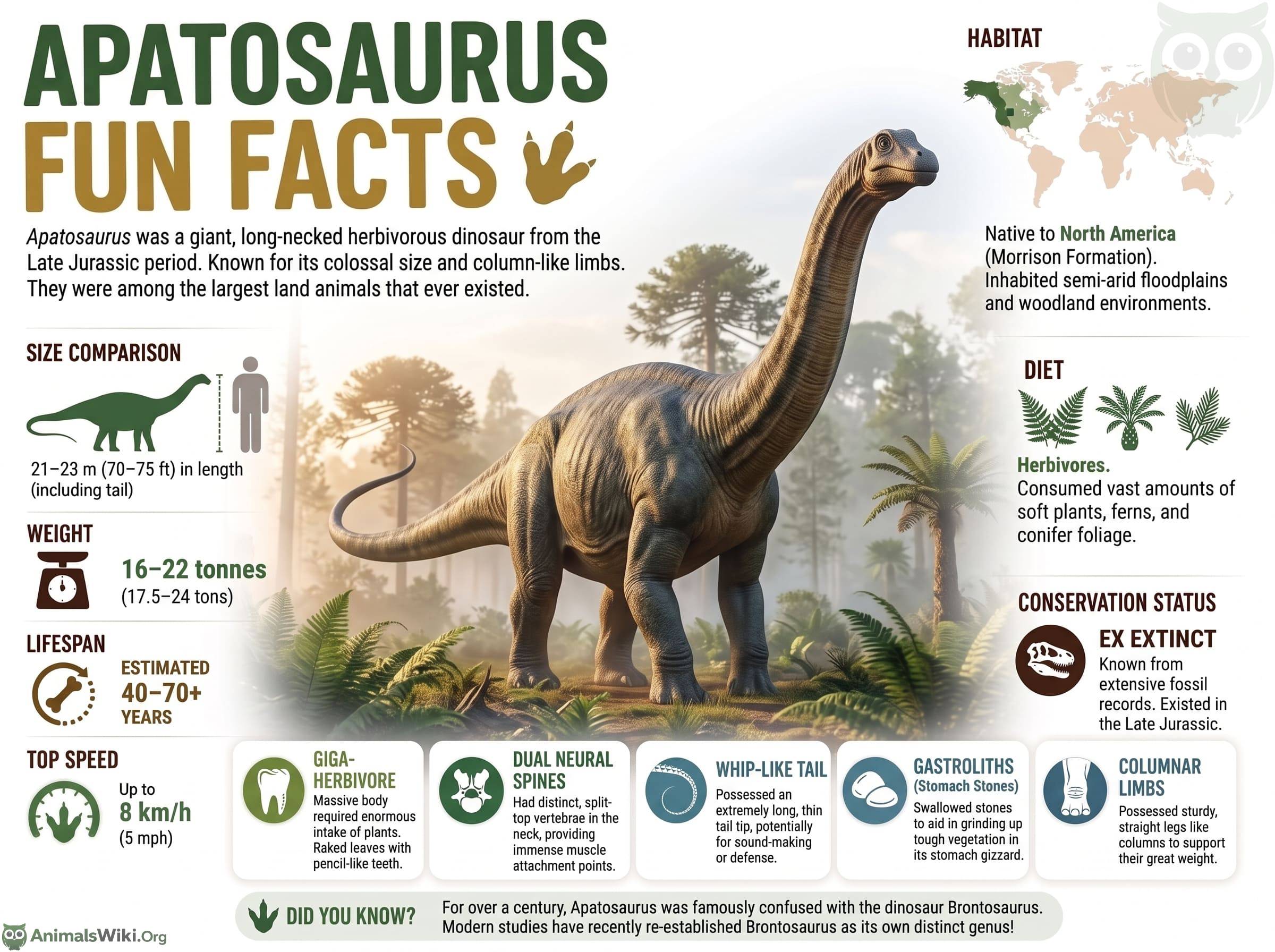
Sauropods — the long-necked giants — used simple, peg-like or spoon-shaped teeth to strip vegetation from branches, swallowing without chewing and relying on gastroliths (stomach stones) and gut fermentation to break down tough plant matter. The extraordinary length of their necks allowed them to access vegetation at heights or horizontal distances unavailable to shorter animals — different species within the same ecosystem likely feeding at different heights to reduce competition.
Hadrosaurs possessed one of the most remarkable dental systems of any vertebrate — dental batteries containing hundreds of teeth packed together into a continuous grinding surface, constantly replaced as worn teeth were pushed out and new ones moved forward. A single hadrosaur might cycle through over 1,000 teeth in a lifetime.
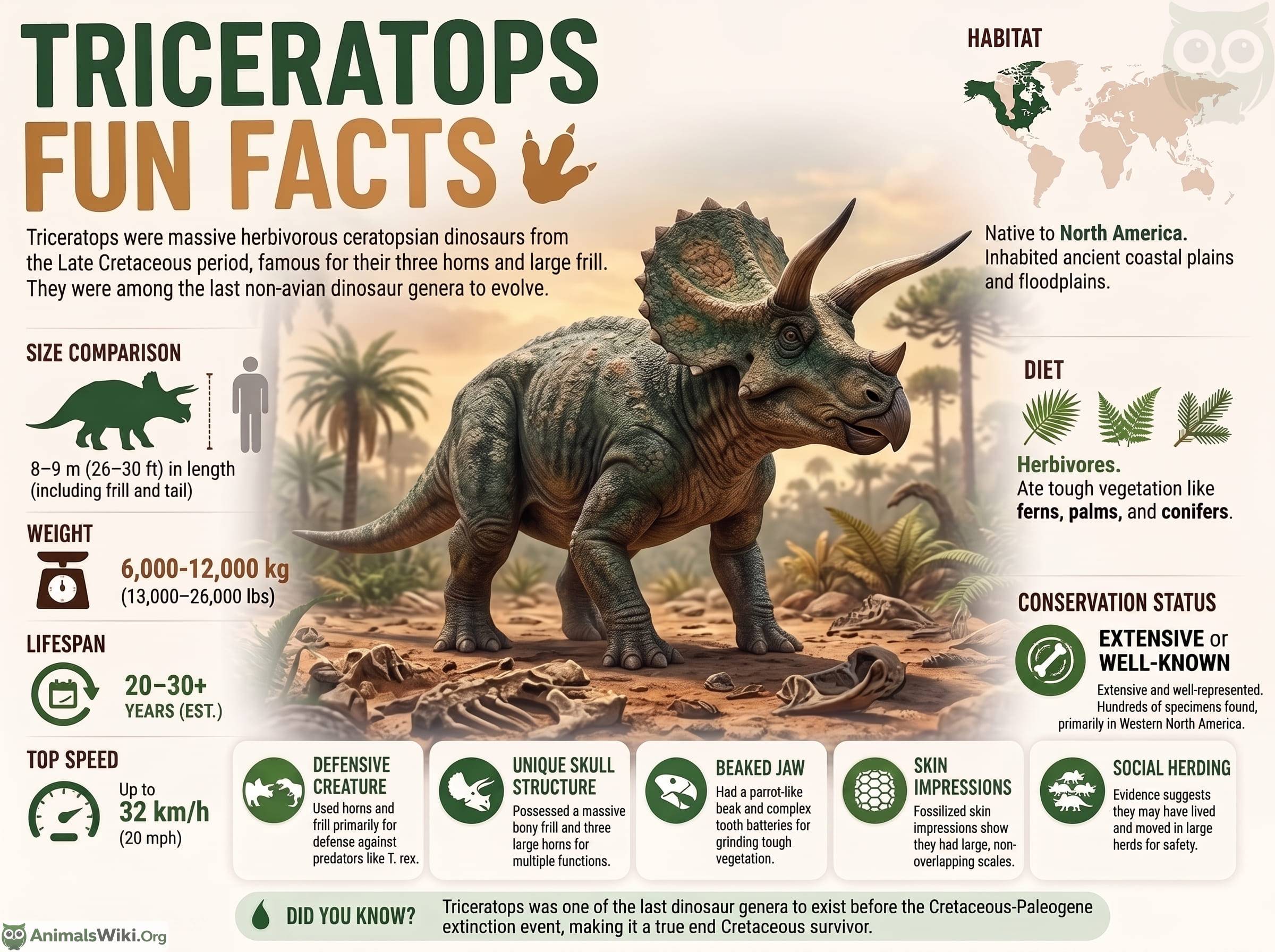
Ceratopsians like Triceratops used powerful, parrot-like beaks and shearing cheek teeth to process tough, fibrous vegetation — possibly including cycads, ferns, and palm-like plants that other dinosaurs avoided.
Carnivorous Dinosaurs
Theropods were the dominant terrestrial carnivores of the Mesozoic — but their hunting strategies varied enormously:
Diet Breakdown Table
| Diet Type | Dinosaur Examples | Feeding Strategy | Prey/Food |
|---|---|---|---|
| Apex carnivore | T. rex, Giganotosaurus | Ambush/active pursuit | Large herbivorous dinosaurs |
| Pack hunter (debated) | Deinonychus, Velociraptor | Coordinated pursuit | Medium-large prey |
| Piscivore | Spinosaurus, Baryonyx | Aquatic fishing | Fish, aquatic prey |
| Insectivore | Alvarezsaurids | Specialized claws for digging | Insects, termites |
| Omnivore | Oviraptor, Gallimimus | Opportunistic feeding | Eggs, plants, small animals |
| Megaherbivore | Brachiosaurus, Diplodocus | Bulk feeding, high browsing | Conifers, cycads, ferns |
| Low browser | Triceratops, Edmontosaurus | Ground-level grazing | Ground-level vegetation |
| Mid-level browser | Stegosaurus, Iguanodon | Variable height feeding | Mixed vegetation |
The feeding ecology of Tyrannosaurus rex remains one of paleontology’s most actively debated topics. Was it primarily an active predator? A scavenger? The evidence — including bite marks on hadrosaur bones showing evidence of repeated feeding over time, healed bite wounds on living prey animals, and forward-facing eyes providing binocular vision — strongly supports active predation as its primary strategy, with scavenging as an opportunistic supplement.
Spinosaurus aegyptiacus — recently revised as potentially the largest theropod ever discovered — is now understood to have been a semi-aquatic piscivore, with dense bones for buoyancy control, a crocodile-like snout for catching fish, and limb proportions suggesting it spent significant time in water. This interpretation, driven primarily by research published between 2014 and 2022, has completely transformed understanding of this animal.
5. Reproduction & Life Cycle
All non-avian dinosaurs reproduced by laying hard or leathery-shelled eggs — the amniotic egg inherited from their archosaur ancestors. The study of dinosaur reproduction has accelerated dramatically with the discovery of extraordinarily preserved nesting sites, embryos, and even soft-tissue egg contents.
Nesting Behavior
Maiasaura peeblesorum — whose name literally means “good mother lizard” — was discovered by paleontologist Jack Horner in Montana in 1978 in a context that transformed understanding of dinosaur parenting. The fossils revealed colonial nesting sites, with multiple nests close together, containing juveniles of different sizes that showed tooth wear suggesting they were being fed in the nest — evidence of extended parental care analogous to modern birds.
Oviraptor philoceratops — long assumed to be an egg thief (its name means “egg thief”) — was spectacularly vindicated in 1993 when a brooding specimen was discovered sitting directly on a nest of eggs in a posture identical to brooding birds, its arms spread over the eggs. Its “theft” was its own parental dedication.
Growth Rates
Bone analysis reveals that many dinosaurs grew at rates closer to modern birds and mammals than to modern reptiles. Tyrannosaurus rex went through a juvenile growth spurt — growing as fast as 2.1 kg per day during its teenage years — reaching near-adult size in approximately 20 years. This rapid growth rate is consistent with warm-bloodedness.
Life Cycle Comparison
| Dinosaur Species | Estimated Lifespan | Growth Rate | Maturity Age |
|---|---|---|---|
| Tyrannosaurus rex | 28–30 years | ~2 kg/day peak | ~20 years |
| Triceratops | 30–40 years | Moderate | ~15–20 years |
| Brachiosaurus | 100+ years (est.) | Slow after early rapid phase | ~40 years (est.) |
| Velociraptor | 15–20 years (est.) | Moderate-rapid | ~5 years (est.) |
| Maiasaura | 20–30 years | Rapid early growth | ~8 years |
| Hypsilophodon | 10–15 years (est.) | Rapid | ~3–5 years |
6. Social Behavior & Communication
The social lives of non-avian dinosaurs are among the most challenging and fascinating subjects in paleontology — and discoveries over the past two decades have revealed that many species were far more socially complex than early researchers imagined.
Evidence for Social Behavior
Trackway evidence — preserved footprints of multiple dinosaurs moving in the same direction at the same time — provides some of the most compelling evidence for social behavior. Sauropod trackways from multiple sites show large individuals moving alongside smaller ones — possibly adults and juveniles moving together in family groups.
Colonial nesting — documented in hadrosaurs, sauropods, and some theropods — suggests that at least some species gathered in large groups for reproduction, implying social tolerance and possibly cooperation.
Pachycephalosaurs — the “dome-headed” dinosaurs with thick skulls of solid bone — almost certainly engaged in head-butting or flank-butting displays for dominance and mate competition, analogous to modern bighorn sheep. The biomechanical analysis of their skull structure supports this function.
Communication
While we cannot directly observe dinosaur vocalizations, evidence for communication comes from multiple sources:
Hadrosaur crests — particularly the extraordinary curved, hollow crest of Parasaurolophus walkeri — were almost certainly sound-producing resonating chambers. Computer modeling of the crest’s internal passages suggests it could produce low-frequency resonating calls that would have traveled long distances through dense Cretaceous forests — a function analogous to the trumpeting of modern elephants.
Visual displays — Many dinosaurs possessed elaborate crests, frills, horns, sails, plates, and coloration structures that almost certainly functioned in species recognition, mate attraction, and dominance signaling. The extraordinary diversity of ceratopsian horn and frill configurations — with multiple distinct species coexisting in the same ecosystems — strongly suggests these structures functioned as species-specific visual signals, preventing hybridization between similar species.
Did You Know? Computer modeling of the hollow crest of Parasaurolophus walkeri suggests it could produce sounds with a fundamental frequency of approximately 48 Hz — a deep, resonant call similar to a trombone, that would have been audible from several kilometers away through dense forest. Some researchers have created physical models of the crest and “played” them — producing haunting, horn-like sounds that offer our closest approximation of what a living hadrosaur may have sounded like.
7. Predators, Defense Mechanisms & Survival Strategies
The predator-prey arms race among dinosaurs drove some of the most spectacular evolutionary innovations in vertebrate history — producing weapons and armor of extraordinary variety and effectiveness.
Defensive Adaptations
Ankylosaurus magniventris represents perhaps the ultimate expression of dinosaur passive defense. Its body was covered in osteoderms — bony plates embedded in the skin — forming a nearly impenetrable armor over its back, sides, and head. Its most spectacular feature, however, was the massive bony tail club — a structure of fused vertebrae and bone weighing tens of kilograms that could be swung with force sufficient to shatter the leg bones of even large tyrannosaurs. Analysis of ankylosaurid tail clubs suggests impact forces of several thousand newtons — genuinely dangerous weaponry.
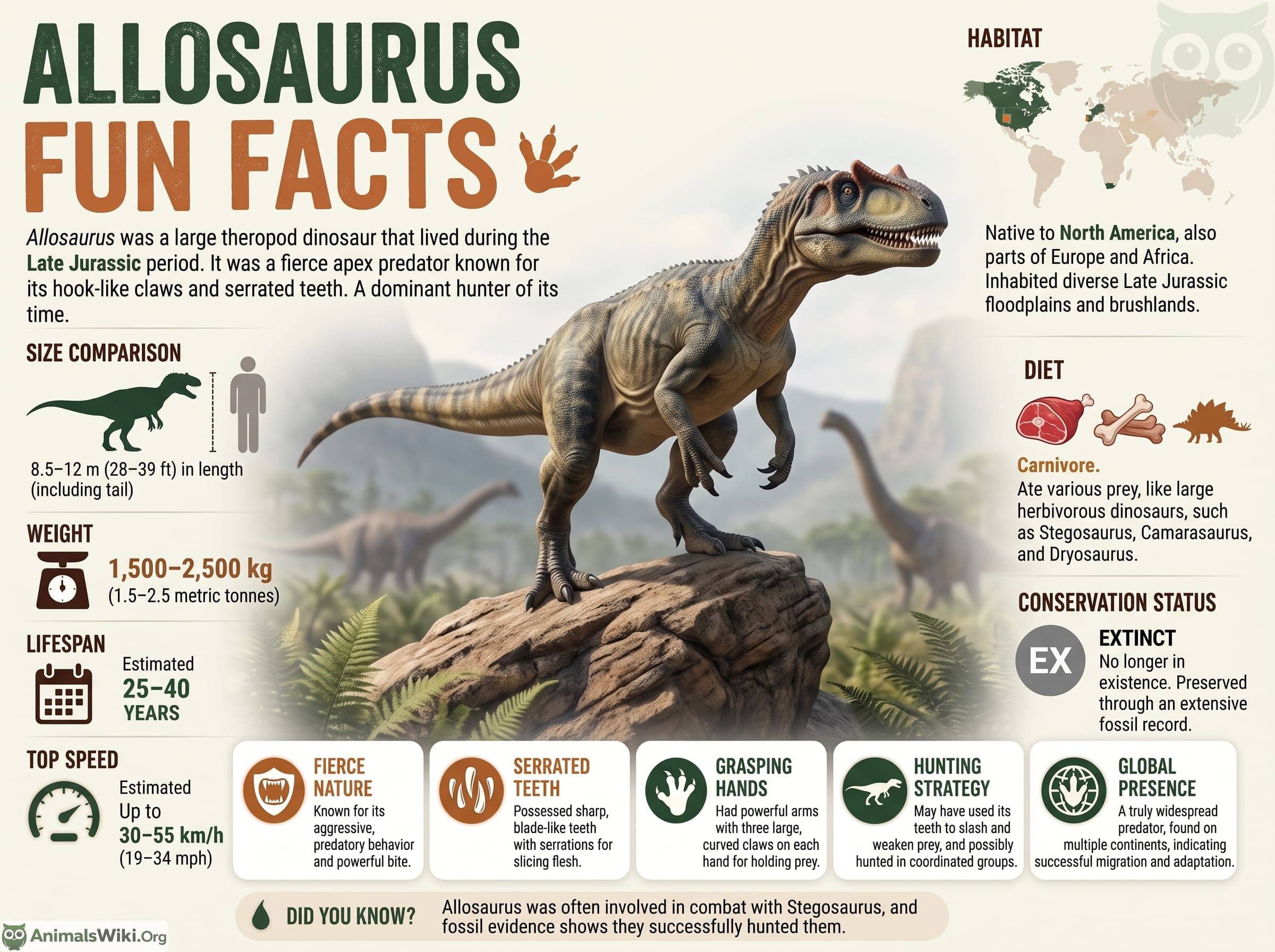
Stegosaurus stenops combined two defensive systems: the dorsal plates (whose function remains debated — thermoregulation, display, and/or defense have all been proposed) and the tail thagomizer — four sharp spikes at the end of the tail that could inflict deep puncture wounds. Fossils of Allosaurus bones bearing healed Stegosaurus spike wounds confirm these were functional weapons.
Sauropods’ primary defense was sheer size — an adult Argentinosaurus or Patagotitan would have had few predators capable of seriously threatening it. Young sauropods, however, were vulnerable, and some species may have formed protective herds around juveniles.
Ceratopsian frills and horns likely served dual purposes — intimidating predators while also functioning in intraspecific display. Triceratops wounds on fossilized bone, including healed puncture marks consistent with rival Triceratops horns, confirm that these weapons were used in combat.
Active Defense and Pack Behavior
The question of whether any non-avian dinosaur hunted in coordinated groups remains actively debated. The famous Deinonychus finds in Montana — where multiple individuals of different sizes were found associated with a large Tenontosaurus — were initially interpreted as evidence of pack hunting. More recent analysis suggests this may represent competitive feeding by opportunistic individuals rather than coordinated pack hunting. The question remains genuinely open.
8. Evolution & Discovery Timeline
~240–231 million years ago (Triassic Period) — The first true dinosaurs appear in the fossil record. Eoraptor lunensis and Herrerasaurus ischigualastensis from Argentina are among the earliest known dinosaurs — small, bipedal animals living in a world dominated by other archosaurs.
~215 million years ago — The end-Triassic extinction event — triggered by massive volcanism associated with the breakup of Pangaea — eliminates many competing archosaur groups. Dinosaurs survive and radiate explosively into the ecological vacuum.
~200–145 million years ago (Jurassic Period) — The Age of Giants. Sauropods reach their maximum size. Theropod diversity explodes. The first birds appear. Archaeopteryx lithographica — discovered in 1861 — becomes the iconic transitional fossil between dinosaurs and birds.
~145–66 million years ago (Cretaceous Period) — Maximum dinosaur diversity. Flowering plants evolve, driving herbivore diversification. Tyrannosaurs, ceratopsians, hadrosaurs, and ankylosaurs dominate. Birds diversify extensively.
~66 million years ago — The Chicxulub impactor — a ~10 km asteroid — strikes what is now the Yucatan Peninsula of Mexico with the energy of billions of nuclear weapons. Combined with ongoing Deccan Traps volcanism in India, this triggers the Cretaceous-Paleogene mass extinction — eliminating approximately 75% of all species on Earth, including all non-avian dinosaurs.
1677 — The first dinosaur bone to be described in Western science — a large femur fragment — is published by Robert Plot, though it is misidentified as belonging to a giant human or Roman war elephant.
1824 — William Buckland formally describes Megalosaurus bucklandii — the first dinosaur to receive a scientific name.
1842 — Sir Richard Owen coins the term “Dinosauria” — recognizing the shared anatomical features that define the group.
1858 — Joseph Leidy describes Hadrosaurus foulkii — the first relatively complete dinosaur skeleton found in North America, establishing the bipedal posture that would define dinosaur reconstruction for decades.
1877 — The American “Bone Wars” between paleontologists Othniel Charles Marsh and Edward Drinker Cope reaches its peak — a decade-long competitive fossil rush that produced dozens of new dinosaur species (and significant scientific fraud on both sides).
1964 — John Ostrom discovers Deinonychus antirrhopus and proposes that dinosaurs were active, warm-blooded, bird-like animals — launching the “Dinosaur Renaissance” that transformed public and scientific understanding of the group.
1993 — Michael Crichton’s Jurassic Park is adapted into Steven Spielberg’s blockbuster film — the most culturally significant dinosaur event of the 20th century.
1996 — Sinosauropteryx prima — the first feathered non-avian dinosaur — is described from China, beginning a revolution in understanding dinosaur appearance.
2014 — Spinosaurus is dramatically revised as a semi-aquatic animal, based on new fossil discoveries in Morocco.
2020 — Patagotitan mayorum casts are mounted at the American Museum of Natural History — the largest dinosaur ever displayed in a museum.
2023–2026 — New discoveries continue at a rapid pace — approximately 40–50 new dinosaur species are formally named each year, with particularly rich discoveries from China, Argentina, and Mongolia. Advanced techniques including CT scanning, synchrotron imaging, and ancient protein analysis continue to reveal new information about dinosaur biology.
9. Dinosaurs & Humans – Discovery, Science & Modern Relationship
Humans and non-avian dinosaurs never shared the Earth — separated by approximately 63 million years of geological time. Yet no group of extinct animals has had a greater impact on human culture, science, education, and imagination.
The History of Dinosaur Discovery
The human relationship with dinosaur fossils is older than the science of paleontology itself. Indigenous peoples of North America, China, and Central Asia encountered dinosaur fossils for millennia before Western science recognized their true nature. The Blackfoot Nation of the American Great Plains had traditions about giant serpents associated with fossils later identified as marine reptiles. Chinese traditions of dragon bones — fossil bones used in traditional medicine — drew on genuine dinosaur and other vertebrate fossils for thousands of years.
In the Western tradition, the first scientifically described dinosaur fossil — a large bone fragment described by Robert Plot in 1677 — was interpreted as belonging to a giant human. It was likely a thigh bone of Megalosaurus.
Paleontology as Science and Culture
Modern paleontology — the scientific study of prehistoric life — has evolved from the competitive, often chaotic fossil rushes of the 19th century into a rigorous, multidisciplinary science incorporating geology, biology, chemistry, physics, and computer science.
The CT scanner has been transformative — allowing researchers to peer inside fossils without destruction, revealing brain structure, inner ear morphology (providing insights into hearing and balance), and growth rings in bone. Synchrotron X-ray imaging can reveal chemical traces of original biological molecules — including melanosomes (pigment-producing structures) that allow reconstruction of dinosaur coloration with remarkable specificity.
“We are living in a golden age of dinosaur discovery. More new dinosaur species are being named today than at any point in the history of paleontology — and many of the most exciting discoveries are coming not from the field but from the laboratory, as new analytical techniques reveal biology in fossils collected decades ago.” — Dr. Steve Brusatte, paleontologist, University of Edinburgh
Dinosaurs in Education and Medicine
Dinosaurs are among the most powerful educational tools in natural history — drawing children into science through wonder and excitement, then holding their interest through the extraordinary depth and complexity of what paleontology reveals. Studies have consistently shown that children who become passionate about dinosaurs develop broader scientific literacy and maintain curiosity-driven learning styles.
Dinosaur research has also produced unexpected medical applications. The study of dinosaur bone histology (growth rings in bone tissue) has informed understanding of human bone diseases. Research into dinosaur immune systems — inferred from bone infection patterns in fossils — has contributed to evolutionary immunology.
10. Role in the Prehistoric Ecosystem & Food Chain
Non-avian dinosaurs dominated terrestrial ecosystems for over 160 million years — a period of ecological dominance without parallel in the history of land vertebrates. Understanding their ecological roles helps us understand both the Mesozoic world and the modern ecosystems that were shaped by their disappearance.
Dinosaurs as Ecosystem Engineers
Sauropods were the most significant terrestrial ecosystem engineers in Earth’s history. A single herd of large sauropods would have consumed enormous quantities of vegetation, opened forest canopy, dispersed seeds in their droppings across vast distances, and fertilized soils with their waste. Their feeding would have shaped the structure of entire plant communities — analogous to the role of elephants in modern African savannas, but at vastly greater scale.
Large herbivorous dinosaurs also maintained the mosaic of habitats — alternating open and dense vegetation — that supported predator-prey community structure. The removal of megaherbivores from modern ecosystems produces measurable changes in plant community structure; the removal of sauropods at the Cretaceous-Paleogene boundary must have produced ecological restructuring on a continental scale.
The Mesozoic Food Web
| Trophic Level | Dinosaur Role | Examples | Modern Analogues |
|---|---|---|---|
| Apex predator | Top of terrestrial food chain | T. rex, Spinosaurus, Giganotosaurus | Lion, tiger, orca |
| Mesopredator | Mid-level carnivore | Velociraptor, Troodon, Coelophysis | Fox, eagle, crocodile |
| Megaherbivore | Bulk plant consumption; ecosystem engineering | Brachiosaurus, Triceratops | Elephant, giraffe |
| Small herbivore | Ground-level plant processing | Hypsilophodon, Psittacosaurus | Rabbit, deer |
| Omnivore | Connecting trophic levels | Oviraptor, Gallimimus | Raccoon, crow |
| Scavenger | Nutrient cycling; carcass processing | Various large theropods (opportunistic) | Vulture, hyena |
| Insectivore | Insect population control | Alvarezsaurids, small theropods | Anteater, armadillo |
11. Are Dinosaurs Really Extinct? – Conservation Perspective & Living Relatives
The most important conceptual shift in understanding dinosaurs over the past 30 years is the recognition that birds are living dinosaurs — not merely “descended from” dinosaurs, but literally a surviving branch of the dinosaur family tree.
Birds as Living Dinosaurs
Every anatomical, molecular, and developmental line of evidence confirms this relationship. Bird wishbones (furculae) are modified dinosaur clavicles. Bird feathers evolved from theropod filamentous integument. Bird nesting behavior, brooding, and growth rates are directly inherited from non-avian theropod ancestors. The transition from non-avian feathered theropod to modern bird was so gradual that drawing a precise line between “dinosaur” and “bird” is essentially arbitrary from a biological perspective.
Closest Living Relatives of Famous Dinosaur Species
| Non-Avian Dinosaur | Closest Living Relatives | Relationship |
|---|---|---|
| Tyrannosaurus rex | Chickens, ostriches, other birds | Direct avian theropod lineage |
| Velociraptor | Hawks, eagles, modern birds | Direct avian theropod lineage |
| Triceratops | Birds (most closely among living animals) | Shared archosaur ancestry |
| Brachiosaurus | Birds (most closely among living animals) | Shared archosaur ancestry |
| All non-avian dinosaurs | Crocodilians (sister group to Archosauria) | Archosaurian relatives |
Conservation of Living Dinosaurs (Birds)
As living dinosaurs, birds face a genuine conservation crisis. Approximately 13% of the ~10,800 bird species are currently threatened with extinction — driven by habitat destruction, invasive species, climate change, and human overexploitation. The extinction of bird species represents the literal extinction of living dinosaur lineages.
Comparison with Similar/Related Groups
| Group | Status | # Species | Key Threats | Conservation Priority |
|---|---|---|---|---|
| Non-avian dinosaurs | Extinct (66 Ma) | ~1,000+ known | Asteroid impact | Fossil protection |
| Birds (avian dinosaurs) | ~10,800 species | ~13% threatened | Habitat, climate, cats | High |
| Crocodilians (sister group) | 25 species | ~50% threatened | Hunting, habitat | High |
| Pterosaurs (close relatives) | Extinct (66 Ma) | ~150+ known | Asteroid impact | Fossil protection |
12. Famous Dinosaur Individuals in Science & Culture
Sue (FMNH PR 2081) — The largest, most complete, and best-preserved Tyrannosaurus rex skeleton ever discovered. Found by paleontologist Sue Hendrickson in the Hell Creek Formation of South Dakota in 1990, Sue (named after her discoverer) was purchased at auction by the Field Museum of Natural History in Chicago in 1997 for $8.36 million — then the highest price ever paid for a fossil. Sue is approximately 12.3 metres long, estimated to have weighed 8.5 tonnes, and lived to approximately 28 years old — old for a T. rex.
Stan (BHI 3033) — Another famous T. rex specimen, found in South Dakota in 1987, notable for bearing healed bite wounds from other T. rex individuals — evidence of intraspecific combat. Stan was sold at Christie’s auction in 2020 for $31.8 million — the highest price ever paid for a dinosaur fossil.
Montana’s “Big Mike” — A massive Brachiosaurus specimen that anchored early understanding of sauropod biology.
Lucy of the Dinosaur World — Scipionyx samniticus — a baby Compsognathid theropod from Italy, discovered in 1981, preserving extraordinary soft tissue impressions including intestines, liver, and muscle tissue — the finest preservation of dinosaur soft anatomy ever found.
The Mongolian Fighting Dinosaurs — A specimen of Velociraptor mongoliensis locked in combat with Protoceratops andrewsi, preserved in the moment of mutual killing — one of the most dramatic fossils ever discovered, found in the Gobi Desert in 1971.
Dinosaurs in Pop Culture
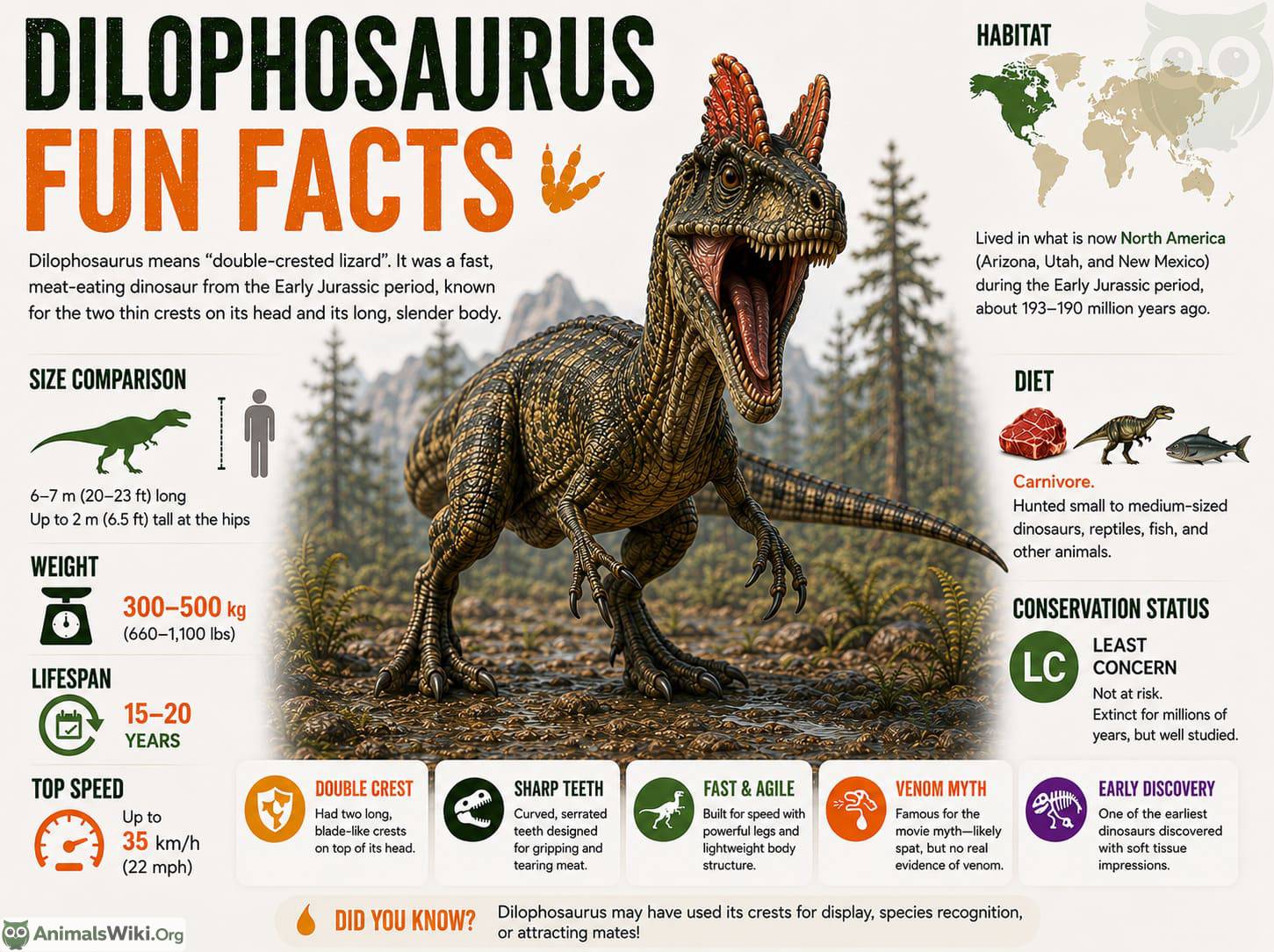
Jurassic Park (1993, directed by Steven Spielberg; based on Michael Crichton’s 1990 novel) — The most culturally significant dinosaur event in history. Despite its now-outdated science (featherless raptors, oversized Dilophosaurus), it inspired a generation of paleontologists and made the science of dinosaurs a global cultural phenomenon. The franchise has grossed over $6 billion worldwide across six films.
The Land Before Time (1988, Don Bluth) — An animated film that introduced millions of children to dinosaur diversity and names, featuring a young sauropod (Littlefoot), a Triceratops (Cera), a Saurolophus (Ducky), a Pteranodon (Petrie), and a Stegosaurus (Spike).
Walking with Dinosaurs (BBC, 1999) — The landmark documentary series narrated by Kenneth Branagh that used cutting-edge CGI to recreate dinosaur life with unprecedented scientific accuracy, watched by over 700 million people worldwide.
Barney the Dinosaur — A purple Tyrannosaurus rex character from the American children’s television series Barney & Friends (1992–2010), one of the most recognized children’s characters of the 1990s.
The Natural History Museum’s Dippy — The Diplodocus carnegii cast that stood in the entrance hall of London’s Natural History Museum for over a century, replaced in 2017 by a blue whale skeleton. Dippy subsequently embarked on a touring exhibition across the UK — still generating enormous public interest and affection.
13. Dinosaurs in Myths, Folklore & World Cultures
The discovery of dinosaur fossils by human cultures long predating scientific paleontology has left extraordinary marks on mythology and folklore worldwide.
Chinese Dragon Traditions — The Chinese word for dinosaur is 恐龙 (kǒnglóng), literally “terrible dragon” — and the connection is not coincidental. For millennia, dinosaur and other fossil bones were collected across China as “dragon bones” (lóng gǔ), ground into powder for use in traditional medicine, and interpreted as the remains of mythological dragons. The Lufeng Formation of Yunnan Province — an extraordinarily rich dinosaur fossil site — was known to local people for centuries before Western paleontologists arrived. The detailed, anatomically specific dragon traditions of Chinese culture almost certainly reflect centuries of engagement with fossil material.
Griffin Mythology — Folklorist and historian Adrienne Mayor has proposed, in her landmark 2000 book “The First Fossil Hunters”, that the griffin — the mythological creature with the body of a lion and the head and wings of an eagle — may have originated in the traditions of Scythian gold-miners who encountered Protoceratops fossils in the Gobi Desert. Protoceratops skulls — with their large head, beaked face, and four-legged posture — do bear a striking resemblance to griffin descriptions from ancient texts.
Cyclops Origin — The same book proposes that the enormous single nasal opening of dwarf elephant skulls found on Mediterranean islands may have inspired the Cyclops myth — a single giant eye in the center of the forehead. While not a dinosaur, this demonstrates the broader pattern of fossil-myth connection.
Native American Traditions — Indigenous peoples across North America developed traditions around the large fossil bones they encountered. The Sioux called fossil ammonites tȟuŋkášila yuhá (“grandfather’s medicine”). Various nations had traditions of thunder birds and water monsters that may reflect encounters with pterosaur, plesiosaur, and large dinosaur fossils.
Mongolian Mythology — The Gobi Desert — one of the world’s richest dinosaur fossil sites — has been inhabited by pastoral people for millennia. Traditional Mongolian stories of large bones belonging to mythological creatures may well reflect encounters with the abundant ceratopsian, theropod, and sauropod fossils that erode from Gobi sandstone.
14. Best Places to See Dinosaurs – Museums, Fossil Sites & Living Relatives
World-Class Dinosaur Museums
The Smithsonian National Museum of Natural History, Washington D.C., USA Home to the Nation’s T. rex — a spectacular specimen on permanent display — alongside one of the world’s most comprehensive dinosaur fossil collections. The David H. Koch Hall of Fossils provides extraordinary educational interpretation.
The American Museum of Natural History (AMNH), New York City, USA Houses one of the world’s greatest dinosaur collections, including the cast of Patagotitan mayorum (so large it extends into the hallway) and iconic mounts of T. rex, Triceratops, Stegosaurus, and hadrosaurs. The AMNH’s fossil halls have inspired generations of paleontologists.
The Field Museum, Chicago, USA Home to Sue — the largest and most complete T. rex ever found — alongside an extraordinary collection of Cretaceous fossils.
The Natural History Museum, London, UK Iconic blue whale skeleton in the main hall; extensive dinosaur gallery featuring Iguanodon, Triceratops, and a famous animatronic T. rex that terrified generations of British children.
Museo Paleontológico Egidio Feruglio, Trelew, Patagonia, Argentina Home to the actual bones of Patagotitan mayorum — the largest dinosaur ever discovered — displayed in the region where they were found. An extraordinary destination for serious dinosaur enthusiasts.
The Royal Tyrrell Museum, Drumheller, Alberta, Canada Located in the Badlands of Alberta — one of the world’s richest dinosaur fossil deposits — the Tyrrell Museum houses over 40 mounted dinosaur skeletons and offers field excursions to active fossil sites.
Active Fossil Sites to Visit
Dinosaur Provincial Park, Alberta, Canada — UNESCO World Heritage Site; active fossil site where visitors can see fossils eroding from badland formations.
Hell Creek Formation, Montana, USA — The richest T. rex fossil site on Earth; commercial digs and paleontology programs available.
Zigong Dinosaur Museum, Sichuan, China — Built over an active fossil quarry containing extraordinary Jurassic dinosaur remains.
The Gobi Desert, Mongolia — The most productive dinosaur fossil site in Asia; expeditions available through the Mongolian Institute of Paleontology.
Best Places to See Living Dinosaurs (Birds)
The Galápagos Islands, Ecuador — Extraordinary bird diversity including species found nowhere else; Darwin’s finches and flightless cormorants offer evolutionary lessons in real time.
The Amazon Basin, South America — The greatest concentration of bird species on Earth.
New Guinea — Home to birds-of-paradise — the most spectacular avian display behavior on Earth.
You may also like: Complete Guide to the Cretaceous Period | Top 10 Dinosaur Museums in the World | The Ultimate Guide to Fossil Hunting for Beginners
15. How You Can Help Paleontology & Dinosaur Science
Support Fossil Protection
- Never purchase illegally collected fossils — the illegal fossil trade removes scientifically irreplaceable specimens from their geological context and deprives science of crucial data. In many countries, including the United States (on federal land), collecting fossils without a permit is illegal
- Report fossil discoveries — if you find a significant fossil, contact your nearest natural history museum or geological survey rather than removing it yourself
- Support public land protection — many of the world’s most important dinosaur fossil sites are on public lands threatened by development, mining, and resource extraction
Support Paleontological Research and Education
- Donate to natural history museums — institutions including the Smithsonian, AMNH, Field Museum, Royal Tyrrell Museum, and Natural History Museum London conduct active paleontological research funded partly by public support
- Participate in citizen science — platforms including iDigBio, Fossil Calibration Database, and Paleobiology Database welcome public contributions and data verification
- Support the Society of Vertebrate Paleontology (vertpaleo.org) — the primary professional organization for vertebrate paleontologists worldwide
- Advocate for science education — support curricula that include paleontology, evolutionary biology, and deep time — subjects that are sometimes challenged in educational policy debates
Support Living Dinosaur (Bird) Conservation
- BirdLife International (birdlife.org) — the global authority on bird conservation
- Cornell Lab of Ornithology (birds.cornell.edu) — citizen science, research, and education
- American Bird Conservancy (abcbirds.org) — focused on bird conservation in the Americas
- Keep cats indoors — domestic cats kill billions of birds (living dinosaurs) annually
Top Resources for Learning More
- “The Rise and Fall of the Dinosaurs” by Dr. Steve Brusatte (2018) — the finest popular science account of dinosaur evolution and extinction written in the modern era
- “The Princeton Field Guide to Dinosaurs” by Gregory S. Paul (3rd ed., 2022) — the most comprehensive illustrated dinosaur reference available
- “Dinosaur Paleobiology” by Stephen Brusatte (2012) — the definitive academic textbook
- Walking with Dinosaurs (BBC, 1999) — the landmark documentary; the 2023 remastered version includes updated science
- Prehistoric Planet (Apple TV+, 2022 & 2023) — narrated by David Attenborough; represents the most scientifically accurate and visually stunning dinosaur documentary series ever produced, incorporating feathers, realistic behavior, and cutting-edge paleobiology
16. Dinosaur Fun Facts for Kids
- The word “dinosaur” was coined in 1842 by Sir Richard Owen — it means “terrible/wondrous lizard” in Greek, though dinosaurs are not lizards
- More new dinosaur species are named every year today than at any point in paleontological history — approximately 40–50 new species per year
- The T. rex’s arms — though seemingly tiny — could bench-press approximately 200 kg and were probably used for grasping during mating
- Sauropod eggs — despite the animals’ enormous size — were roughly the size of a basketball. A newborn sauropod hatchling weighed perhaps 5 kg; an adult could reach 70 tonnes. This represents the greatest size increase from birth to adult of any known vertebrate
- The Chicxulub asteroid that ended the non-avian dinosaurs released energy equivalent to approximately 10 billion Hiroshima atomic bombs. The impact crater is 180 km in diameter and is still visible in the geology of the Yucatan Peninsula
- Velociraptor in the real world was approximately turkey-sized — about 60 cm tall and 2 metres long — covered in feathers, with a long stiff tail and large sickle claw. The 2-metre-tall, scaly versions in Jurassic Park are actually based more on Deinonychus or Utahraptor
- The longest dinosaur name is Micropachycephalosaurus hongtuyanensis — 23 letters, belonging to a tiny pachycephalosaur from China
- Birds molt and replace their feathers — a direct inheritance from their dinosaur ancestors, who also underwent feather replacement based on evidence from fossil specimens
- The oldest bird fossil — Archaeopteryx lithographica — was discovered just two years after Darwin published On the Origin of Species, providing immediate and iconic evidence for evolutionary transition
17. Frequently Asked Question About Dinosaurs
Q1: When did dinosaurs live, and for how long?
Non-avian dinosaurs first appeared approximately 231–243 million years ago during the Late Triassic Period and went extinct approximately 66 million years ago at the Cretaceous-Paleogene boundary — a duration of approximately 165–177 million years. For comparison, our own genus Homo has existed for approximately 3 million years, and anatomically modern humans (Homo sapiens) for only about 300,000 years. Avian dinosaurs (birds) have existed continuously since the Late Cretaceous and continue to flourish today with approximately 10,800 species.
Q2: What caused the dinosaur extinction?
The primary cause of the non-avian dinosaur extinction was the impact of the Chicxulub asteroid — a roughly 10-kilometre diameter bolide that struck the Yucatan Peninsula of Mexico approximately 66 million years ago, releasing energy equivalent to approximately 10 billion Hiroshima atomic bombs. The immediate effects included massive wildfires, tsunami, and an “impact winter” caused by dust and soot blocking sunlight for months to years — collapsing food webs from the bottom up. Ongoing Deccan Traps volcanism in India contributed additional climate stress. The combination eliminated approximately 75% of all species on Earth, including all non-avian dinosaurs. Importantly, birds (avian dinosaurs) survived — likely because of small body size, dietary flexibility (seeds survived the impact winter), and possibly behavioral flexibility.
Q3: Did humans and dinosaurs ever coexist?
Non-avian dinosaurs went extinct approximately 66 million years ago. The earliest members of the human genus (Homo) appeared approximately 3 million years ago. There is a gap of approximately 63 million years between the extinction of non-avian dinosaurs and the appearance of early humans — they never coexisted. The idea that humans and dinosaurs lived at the same time is a persistent popular misconception with no scientific support. However, humans do coexist with birds — which are genuine living dinosaurs — every single day.
Q4: Were dinosaurs warm-blooded or cold-blooded?
The evidence strongly suggests that most dinosaurs were neither purely “warm-blooded” (endothermic, like mammals and birds) nor “cold-blooded” (ectothermic, like modern reptiles), but rather mesothermic — with metabolisms between these extremes. Evidence includes: rapid growth rates inferred from bone histology (growth rings), the ability of polar dinosaurs to survive winter conditions, large predator energy requirements consistent with higher metabolism, and the direct evolutionary link to modern birds (which are fully endothermic). Large sauropods may have achieved warm temperatures through gigantothermy — their enormous body mass retaining heat without active metabolic generation. The picture varies across the group — dinosaur “metabolism” was almost certainly not uniform across all 1,000+ species.
Q5: How many dinosaur species existed?
Approximately 1,000 non-avian dinosaur species have been formally named and described. However, the fossil record is highly incomplete — most individuals never fossilized, most fossils have been destroyed by geological processes, and most of what remains has not been discovered. Estimates of total dinosaur diversity — including species that lived but left no fossil record — range from several thousand to tens of thousands of species. Approximately 40–50 new species are currently named every year, and the rate shows no sign of declining.
Q6: What is the biggest dinosaur ever found?
The title of largest known dinosaur is contested and regularly revised as new specimens are discovered. Current contenders for the largest individual include Patagotitan mayorum (Argentina; ~37 m, ~69 tonnes), Argentinosaurus (Argentina; ~30–40 m, ~70–80 tonnes estimated), and Dreadnoughtus schrani (Argentina; ~26 m, ~65 tonnes). All are titanosaur sauropods from Cretaceous Argentina. The largest predatory dinosaur is currently Spinosaurus aegyptiacus (~14–15 m), though estimates vary. Tyrannosaurus rex, while not the largest theropod, had the most powerful bite force of any terrestrial animal ever measured — estimated at 35,000–57,000 Newtons.
Q7: Could dinosaurs be cloned, like in Jurassic Park?
The scientific consensus is no — at least not with any technology foreseeable in 2026. DNA degrades rapidly after death — with a half-life of approximately 521 years under optimal preservation conditions. The oldest reliably recovered ancient DNA is approximately 1–2 million years old — far short of the 66 million years separating us from non-avian dinosaurs. While proteins (specifically collagen) have been recovered from some dinosaur bones in small quantities, these are degraded fragments rather than intact genetic information. The de-extinction concept sometimes discussed involves modifying chicken genomes to re-express ancestral traits (a project called “Chickensaurus” or “Project Dino”) — but this would produce a modified bird, not a true dinosaur. Genuine dinosaur cloning remains firmly in the realm of science fiction.
Q8: Are birds really dinosaurs?
Yes — in the most scientifically rigorous sense. Birds are not merely descended from dinosaurs; they are a surviving branch of the theropod dinosaur lineage. This is the consensus of virtually all vertebrate paleontologists. Every anatomical, developmental, and molecular line of evidence supports this classification. The evolutionary transition from non-avian feathered theropods to modern birds was so gradual that there is no precise biological moment when a “dinosaur” became a “bird.” In modern cladistic (phylogenetic) classification, any group that includes the common ancestor of all birds must also include all dinosaurs — meaning that if birds exist, dinosaurs are not extinct. The approximately 10,800 species of living birds are the living dinosaurs sharing our world today.
18. Sources Researched
- Wikipedia — en.wikipedia.org/wiki/Dinosaur
- Smithsonian National Museum of Natural History — naturalhistory.si.edu
- American Museum of Natural History — amnh.org
- National Geographic — nationalgeographic.com
- Britannica — britannica.com/animal/dinosaur
- Paleobiology Database — paleobiodb.org
- Society of Vertebrate Paleontology — vertpaleo.org
- Field Museum of Natural History — fieldmuseum.org
- Royal Tyrrell Museum of Palaeontology — tyrrellmuseum.com
- Natural History Museum London — nhm.ac.uk
- Dr. Steve Brusatte, “The Rise and Fall of the Dinosaurs” (2018)
- Gregory S. Paul, “The Princeton Field Guide to Dinosaurs” (3rd ed., 2022)
- Adrienne Mayor, “The First Fossil Hunters” (2000)
- BirdLife International — birdlife.org
- Cornell Lab of Ornithology — birds.cornell.edu
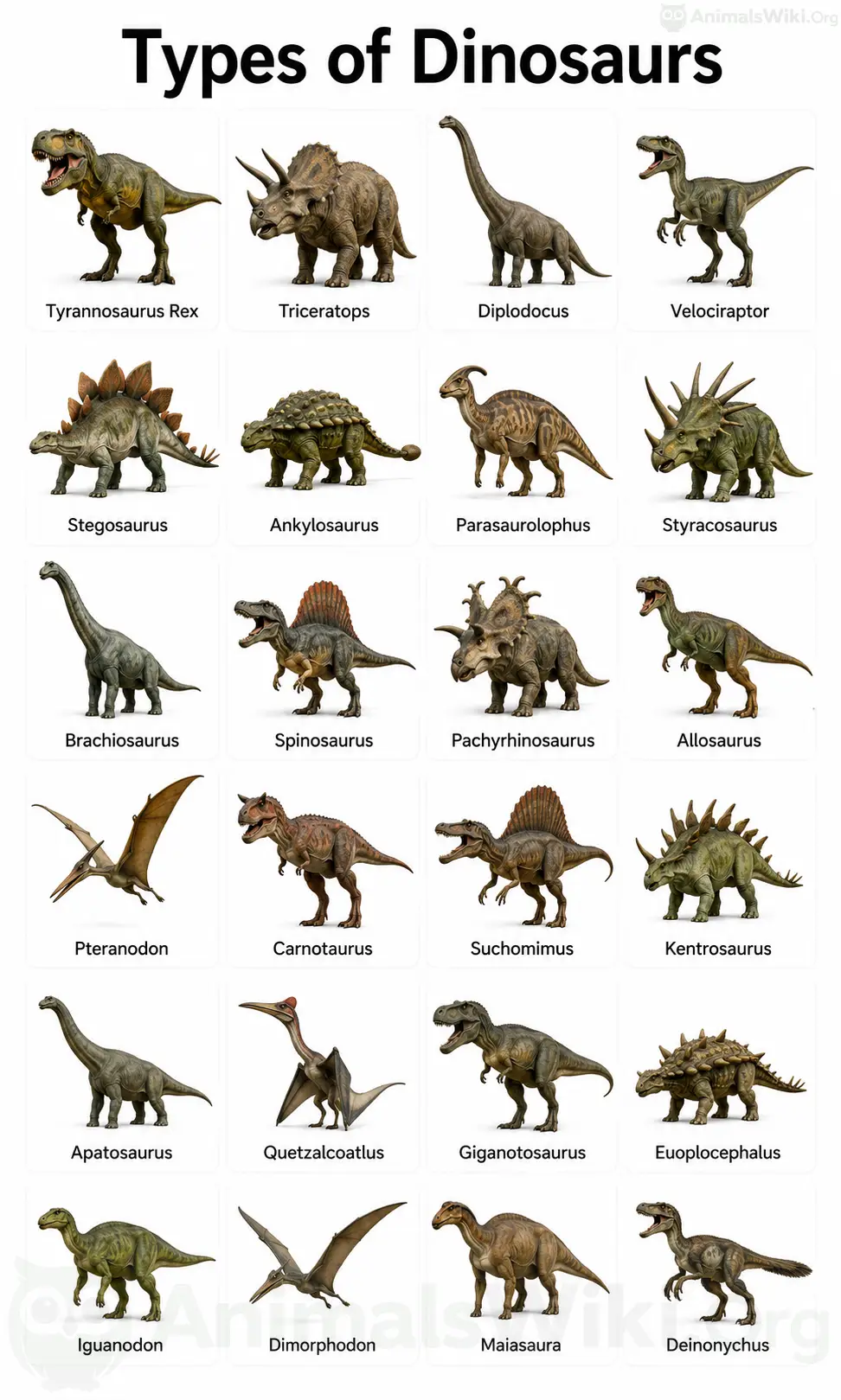
Dinosaur Images