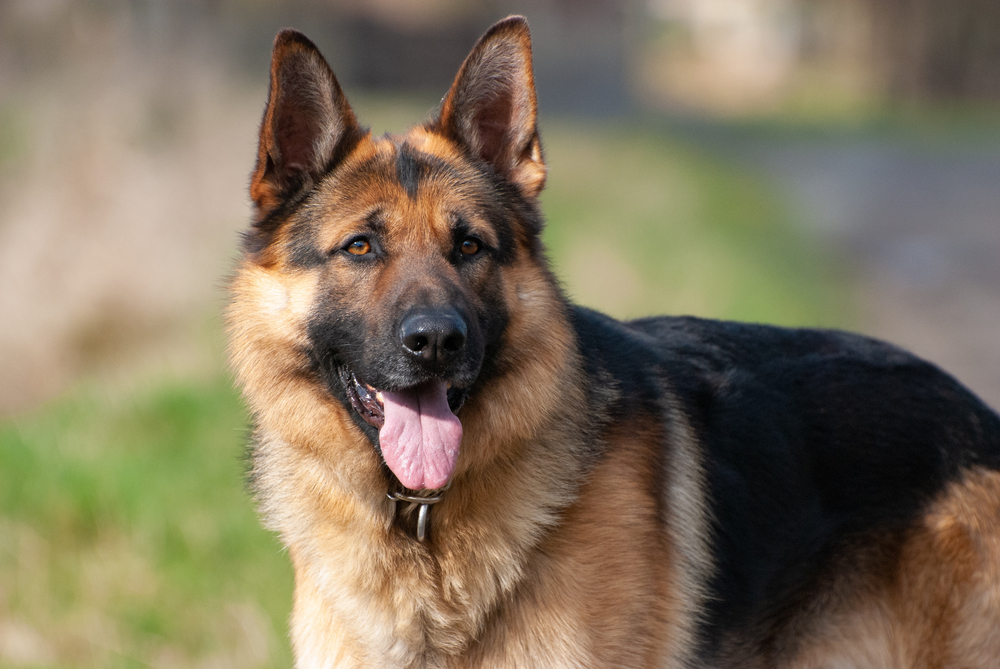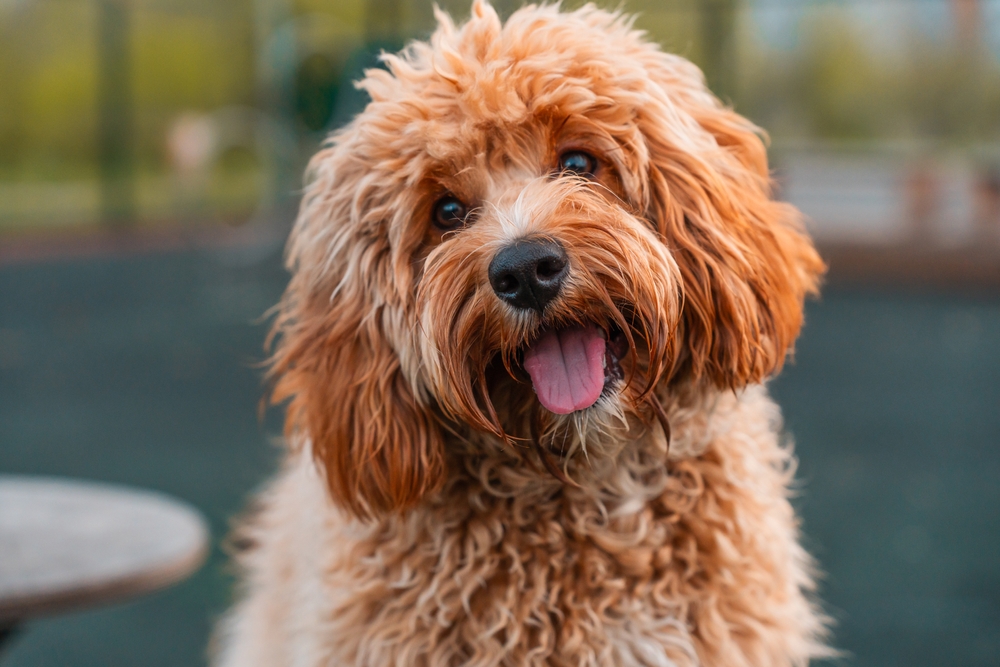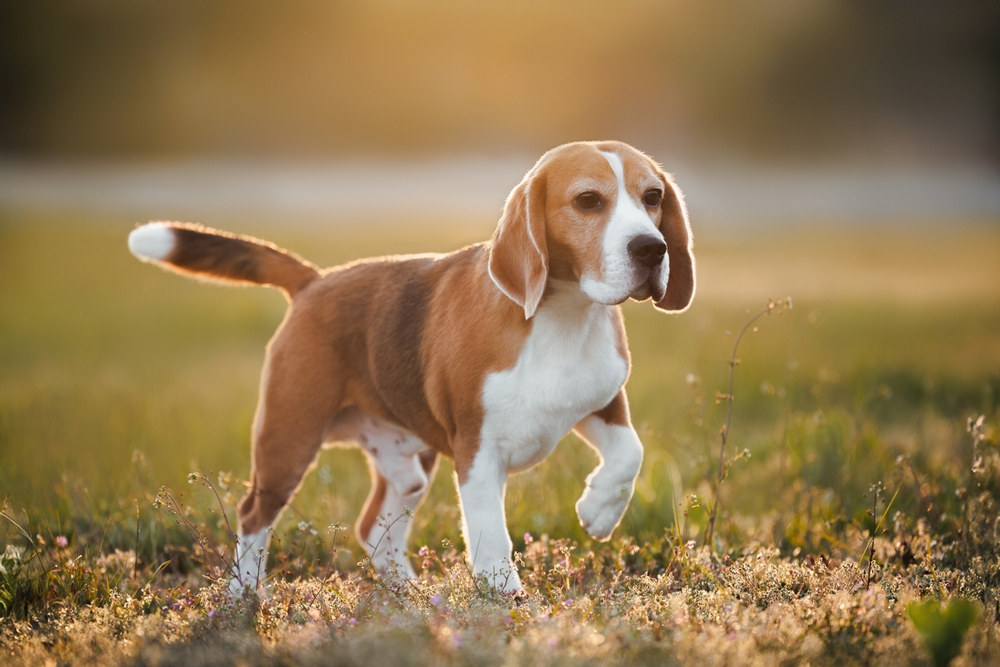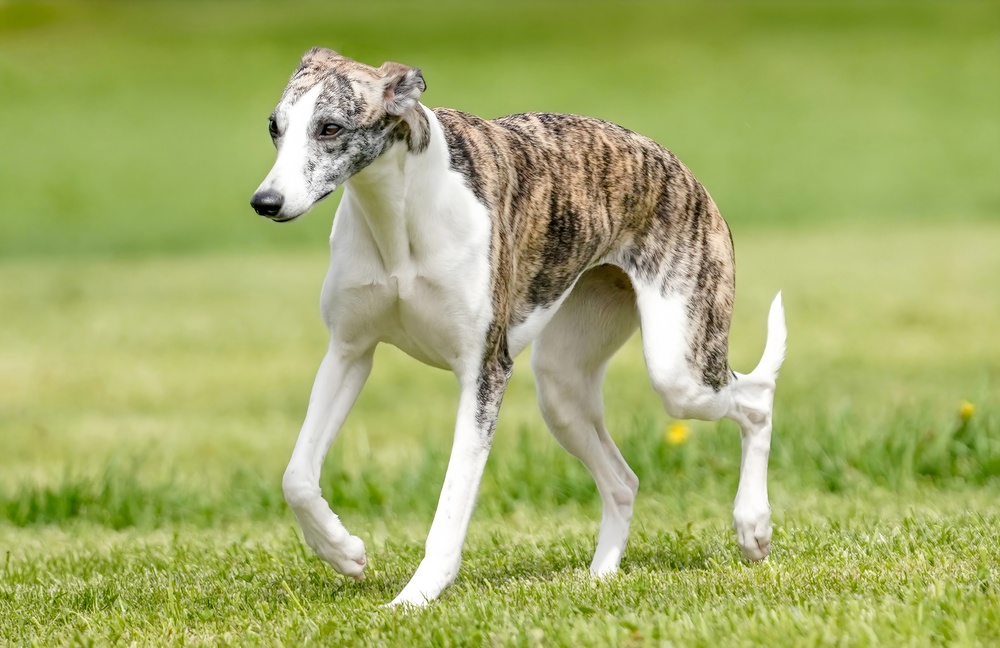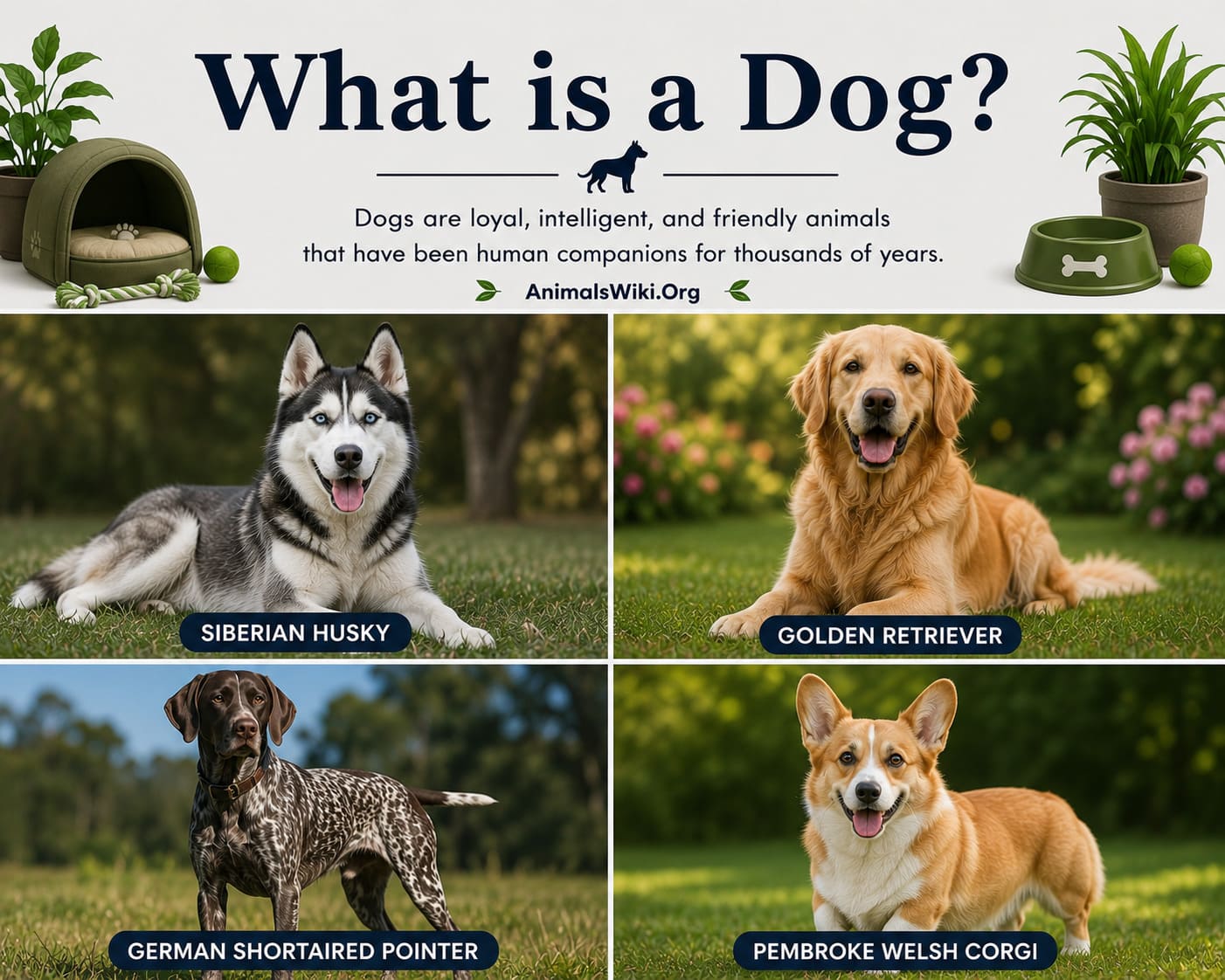
Dog Facts
| Feature | Details |
|---|---|
| Common Name | Dog (Domestic Dog) |
| Scientific Name | Canis lupus familiaris |
| Kingdom | Animalia |
| Family | Canidae |
| Wild Ancestor | Gray Wolf (Canis lupus) |
| Domestication Date | ~15,000–40,000 years ago |
| Lifespan | 10–13 years (average); up to 29+ years (record) |
| Weight Range | 1 kg (Chihuahua) to 90+ kg (Saint Bernard) |
| Height Range | 15 cm to 90 cm at shoulder |
| Diet | Omnivore |
| Global Population | ~900 million–1 billion (estimated) |
| Conservation Status (Wild relatives) | Varies — African Wild Dog: Endangered |
| Number of Breeds | 340+ recognized breeds (FCI) |
| Habitat | Every continent except Antarctica |
| Gestation Period | ~58–68 days |
1. Species Overview & Scientific Classification
Few creatures on Earth share a bond with humanity as ancient, deep, and extraordinary as the dog. From the frozen tundras of Siberia to the sun-baked savannas of Africa, from royal palaces to humble village streets — the dog has walked beside us for tens of thousands of years. And yet, for all its familiarity, the dog remains a genuinely remarkable animal — one of the most behaviorally complex, physically diverse, and ecologically important species ever to share our world.
The domestic dog, Canis lupus familiaris, is a subspecies of the gray wolf. It belongs to the family Canidae, which includes wolves, foxes, jackals, coyotes, and the African wild dog. Within this family, dogs represent perhaps the most stunning example of selective evolution and human-animal co-adaptation in the natural world.
Species Classification Table
| Taxonomic Rank | Classification |
|---|---|
| Kingdom | Animalia |
| Phylum | Chordata |
| Class | Mammalia |
| Order | Carnivora |
| Family | Canidae |
| Genus | Canis |
| Species | Canis lupus |
| Subspecies | Canis lupus familiaris |
| Common Name | Domestic Dog |
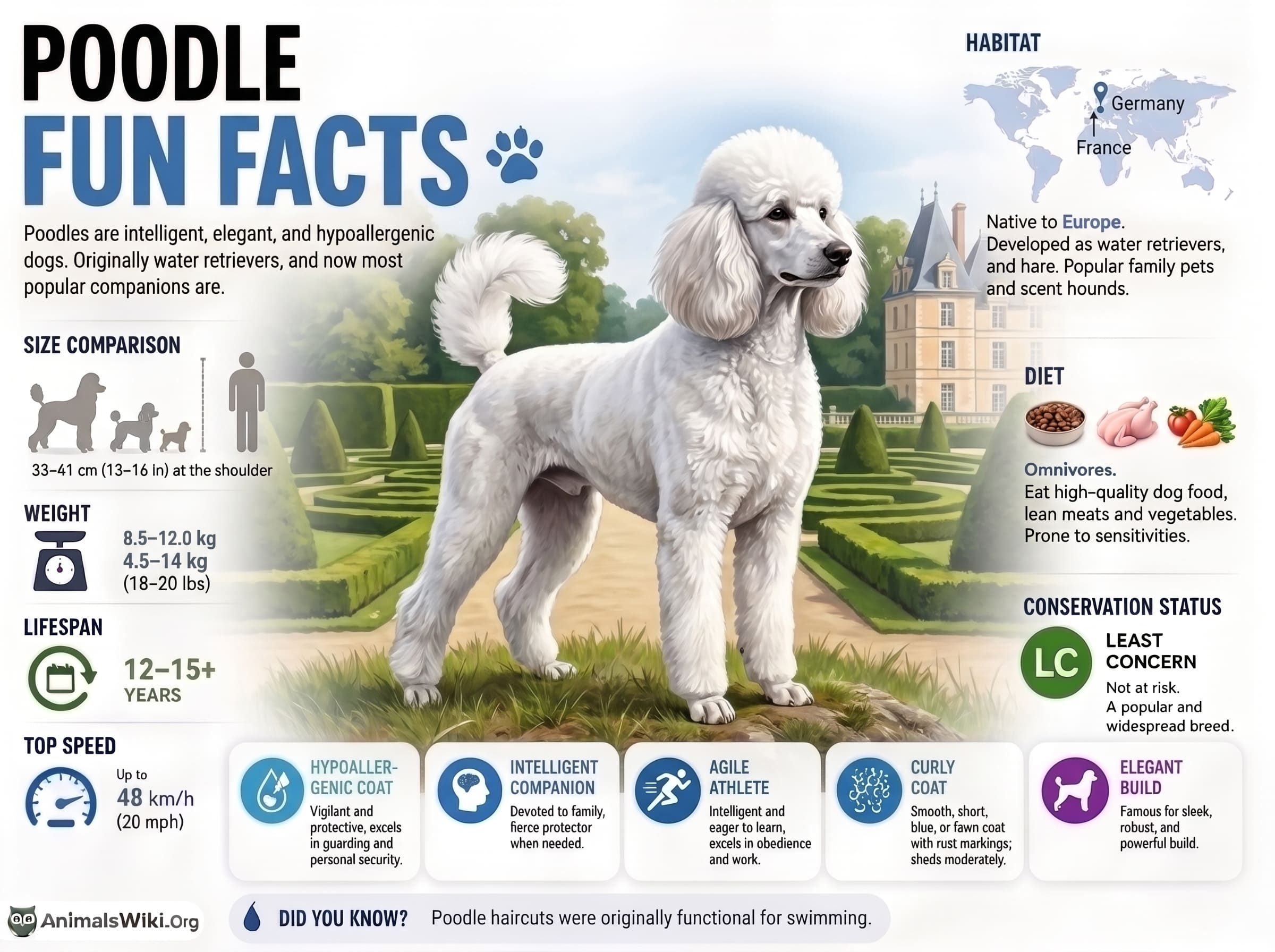
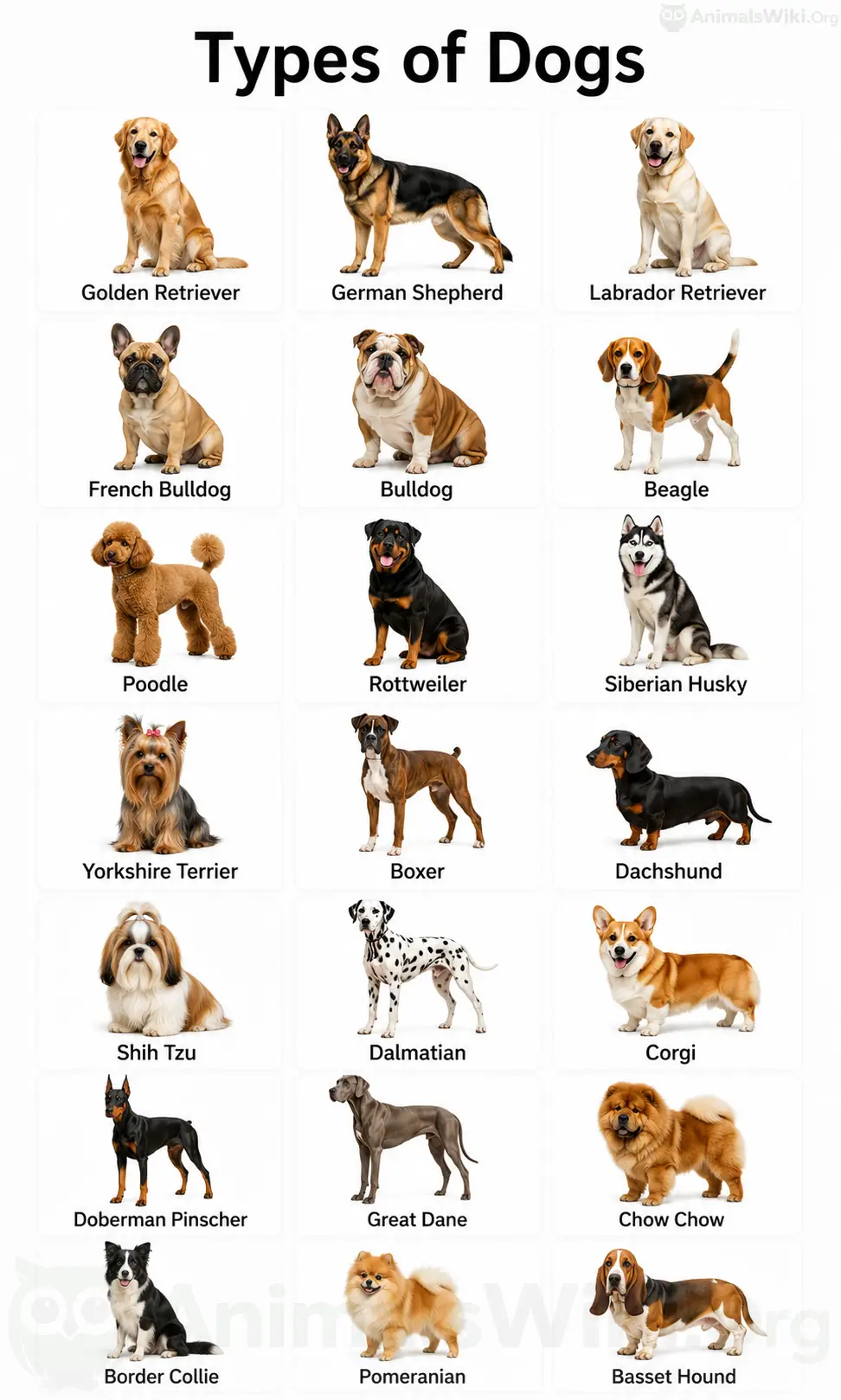
What makes the dog particularly fascinating from a scientific standpoint is the sheer breadth of variation within a single subspecies. The tiny 2 kg Chihuahua and the towering 90 kg Great Dane are — genetically speaking — the same animal. No other species on Earth displays such dramatic morphological diversity within a single taxonomic classification.
“The dog is the only animal that has chosen to live with us.” — Konrad Lorenz, Nobel Prize-winning ethologist and animal behaviorist
2. Physical Description & Unique Features
The domestic dog’s physical diversity is unparalleled in the animal kingdom. Centuries of selective breeding by humans have produced animals that range from near-hairless to extraordinarily fluffy, from flat-faced to long-snouted, from sprinting greyhounds to powerful mastiffs. Yet beneath all that variety, core anatomical features unite every dog on the planet.
Body Structure
Dogs are built as cursorial animals — designed by evolution for running and endurance. They walk on their toes (digitigrade locomotion), which gives them speed and agility. Their 44 adult teeth are arranged for an omnivorous diet: sharp canines for gripping, carnassial teeth for shearing, and flatter molars for grinding plant matter.
A dog’s skeleton contains approximately 319 bones (compared to a human’s 206), though this number varies slightly depending on tail length. Their flexible spines allow for the bounding, galloping gait that makes many breeds extraordinarily fast — the Greyhound, for instance, can reach speeds of 72 km/h (45 mph), making it one of the fastest land animals on Earth.
The Extraordinary Nose
Perhaps the most remarkable physical feature of any dog is its nose. A dog possesses up to 300 million olfactory receptors in its nasal passages — compared to just 6 million in humans. The portion of a dog’s brain dedicated to analyzing smells is, proportionally, 40 times greater than ours. This means a dog can detect odors at concentrations nearly 100,000 times lower than humans can perceive.
This extraordinary sense of smell is the foundation of everything from search-and-rescue operations to cancer detection — a feat that modern medicine is still working to fully understand and replicate.
Did You Know? Dogs have a specialized organ in the roof of their mouth called the vomeronasal organ (Jacobson’s organ) that allows them to “taste” smells — processing chemical information that goes far beyond what their nose alone can detect.
Vision and Hearing
Dogs see the world differently than we do. While they are not fully colorblind, they do see a more limited color spectrum — primarily blues, yellows, and grays, similar to a human with red-green color blindness. However, their vision excels in low-light conditions and they are extraordinarily sensitive to movement.
Their hearing is equally impressive. Dogs can detect sounds at frequencies from 40 Hz to 65,000 Hz — compared to the human range of 20 Hz to 20,000 Hz. They can also rotate each ear independently, triangulating sound sources with remarkable precision.
3. Natural Habitat & Geographic Range
The domestic dog is the most geographically widespread carnivore on Earth. Thanks to their 15,000-year partnership with humans, dogs now live on every inhabited continent — in environments ranging from Arctic villages to tropical rainforest communities, high-altitude Himalayan settlements to low-lying Pacific islands.
Habitat Range by Continent
| Continent | Presence | Notable Wild/Feral Populations |
|---|---|---|
| Asia | Extremely dense | India (30M+ stray dogs), Southeast Asia |
| Europe | Ubiquitous | Romania, Turkey (large stray populations) |
| Africa | Very widespread | African wild dog also present |
| North America | Universal | Domestic and feral populations |
| South America | Very widespread | Brazil, Peru street dog populations |
| Australia | Present | Dingo (Canis lupus dingo) — wild subspecies |
| Antarctica | Absent | Sled dogs banned since 1994 |
Globally, it is estimated that roughly 75–85% of the world’s approximately 900 million dogs live as free-ranging or stray animals — not as pets in homes. This is a fact that surprises most people in Western countries, where pet ownership culture dominates the public image of the dog. In reality, the majority of dogs on Earth live semi-wild lives, scavenging on the edges of human settlements.
The Dingo (Canis lupus dingo) of Australia represents an fascinating intermediate case — a population of dogs that was introduced to Australia by humans some 3,500–4,000 years ago and then went feral, effectively re-wilding over millennia. Today the dingo occupies a unique ecological niche as both a wild predator and a contested conservation subject.
Did You Know? The New Guinea Singing Dog (Canis lupus hallstromi) — a rare and ancient wild dog from the highlands of Papua New Guinea — is considered one of the rarest and most primitive dogs in the world. Its haunting, melodic howl is unlike any other canid on Earth.
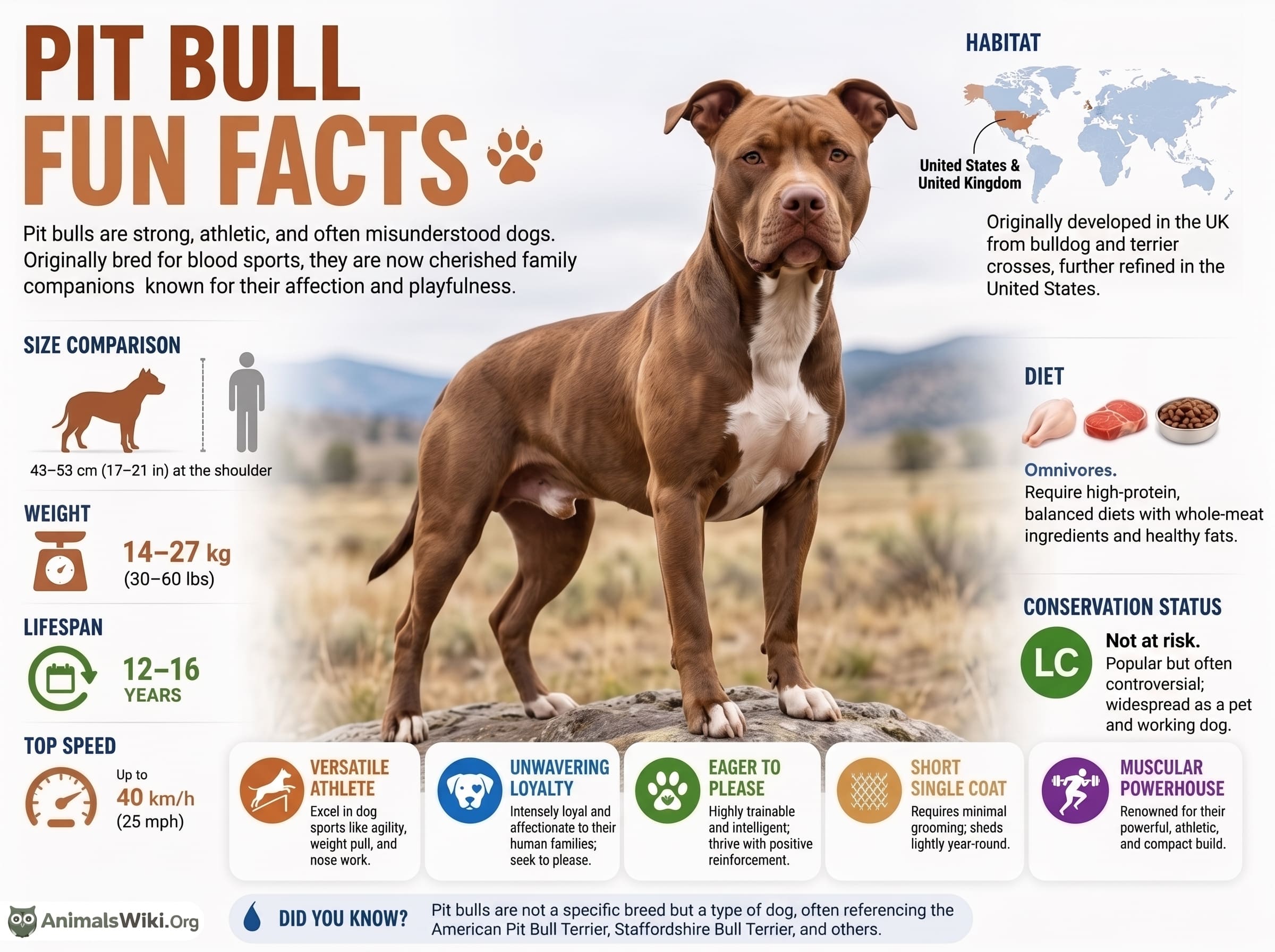
4. Diet & Feeding Behavior
What Do Dogs Actually Eat?
Dogs are classified as omnivores — a significant distinction from their wolf ancestors, who are primarily carnivorous. Over thousands of years of living alongside humans, dogs evolved the ability to digest starchy foods by developing additional copies of the AMY2B gene, which produces amylase, an enzyme that breaks down starch.
This evolutionary adaptation — a direct result of dogs eating human food scraps for millennia — is one of the most compelling pieces of biological evidence for how deeply intertwined our two species have become.
Diet Breakdown Table
| Diet Component | Wild/Feral Dogs | Domestic/Pet Dogs |
|---|---|---|
| Animal protein | 60–80% | 30–70% (varies by food type) |
| Plant matter/starches | 10–25% | 20–50% (kibble, grains) |
| Fats | 10–20% | 10–20% |
| Insects/scavenged matter | Occasional | Rarely |
| Carrion | Common | Almost never |
Wild and feral dogs are opportunistic feeders — they scavenge human waste, hunt small prey (rodents, birds, lizards), eat fruit and berries, and consume insects when necessary. They are remarkably adaptable in their feeding, which is one reason the species has been so successful across such varied environments.
Domestic dogs, meanwhile, have been further shaped by human dietary choices. The modern pet food industry — valued at over $136 billion globally in 2025 — produces specialized diets for dogs at every life stage, breed size, and health condition.
5. Reproduction & Life Cycle
Breeding and Gestation
Female dogs (called bitches) typically reach sexual maturity between 6–12 months of age, though in larger breeds this can extend to 18–24 months. They experience a reproductive cycle called estrus (commonly called “heat”) approximately twice per year, each cycle lasting roughly 2–4 weeks.
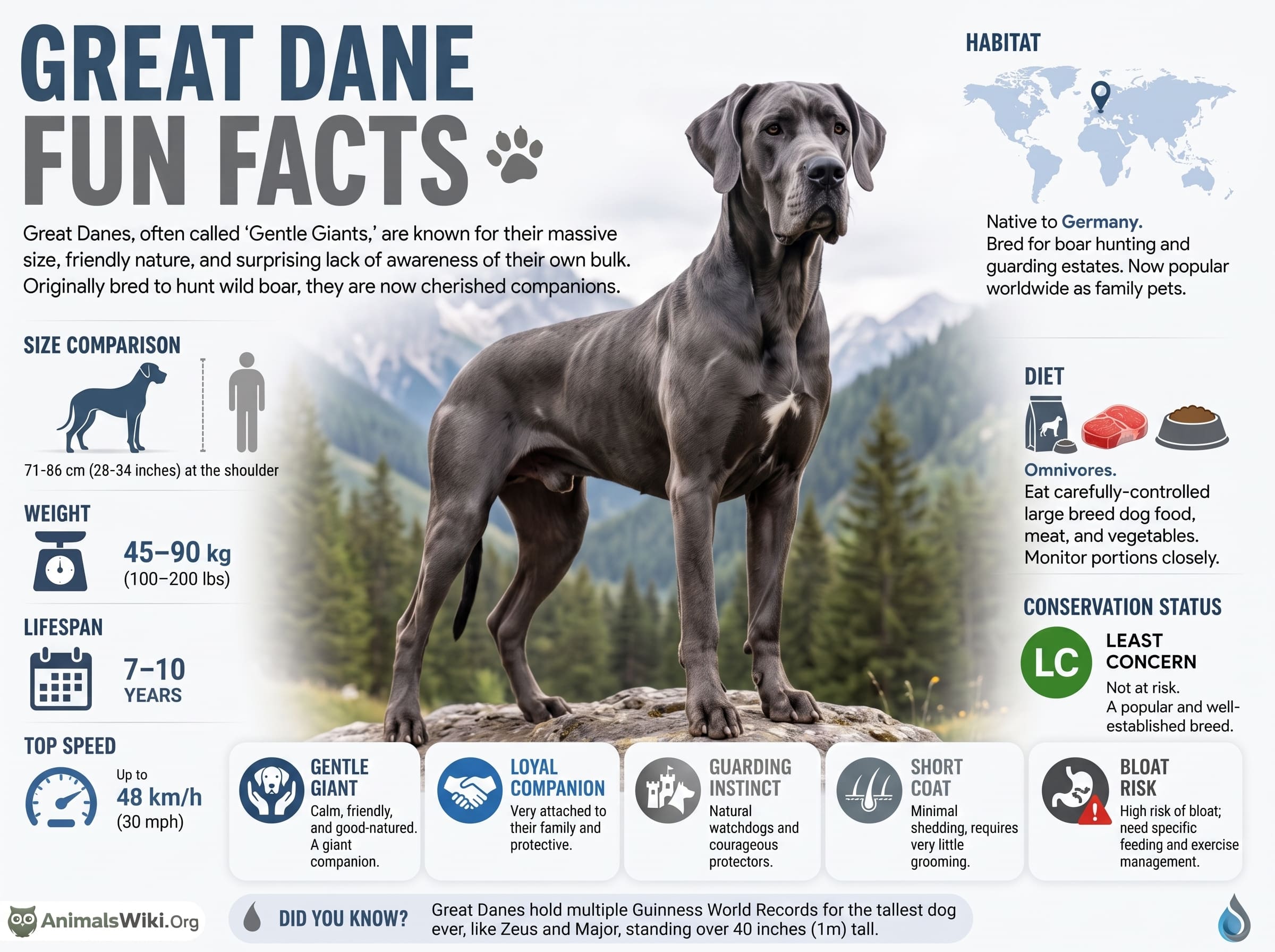
The gestation period is 58–68 days (approximately 9 weeks). Litter sizes vary dramatically by breed — a Chihuahua might deliver 1–3 puppies, while a Saint Bernard or Great Dane can have litters of 10–15 or more.
Life Stages
| Life Stage | Age Range | Key Characteristics |
|---|---|---|
| Neonatal | 0–2 weeks | Eyes/ears closed; completely dependent on mother |
| Transitional | 2–4 weeks | Eyes open; beginning to walk; first vocalizations |
| Socialization | 4–14 weeks | Critical window for human/animal bonding |
| Juvenile | 3–6 months | Rapid growth; teething; high energy |
| Adolescent | 6–18 months | Sexual maturity; behavioral testing |
| Adult | 1–7 years | Physical and behavioral prime |
| Senior | 7+ years (small breeds), 5+ years (large) | Slower metabolism; health monitoring critical |
The socialization window — that brief period between 4 and 14 weeks — is one of the most important concepts in canine development. During this phase, puppies that have positive experiences with humans, other animals, sounds, and environments grow into well-adjusted adults. Puppies deprived of socialization during this window often develop lifelong fearfulness or aggression.
Lifespan Comparison with Similar Animals
| Species | Average Lifespan | Record |
|---|---|---|
| Domestic Dog | 10–13 years | 29 years (Bobi, Portugal) |
| Wolf | 6–8 years (wild), 16 years (captive) | ~20 years |
| African Wild Dog | 10–12 years | ~17 years (captive) |
| Coyote | 6–8 years (wild) | ~21 years (captive) |
| Domestic Cat | 12–15 years | 38 years |
6. Social Behavior & Communication
Dogs are profoundly social animals — a trait inherited from their wolf ancestors and refined through millennia of living in human communities. Understanding how dogs communicate is one of the most active and fascinating areas of animal behavior research in 2026.
Pack Structure and Social Hierarchy
Wild and feral dogs live in loose social groups with fluid hierarchies — a far more nuanced structure than the rigid “alpha” model that was popular in earlier decades and is now considered largely outdated by behavioral scientists.
Modern research — particularly the work of Dr. L. David Mech, one of the world’s leading wolf and wild dog researchers — has shown that canid social groups function more like cooperative families than militaristic dominance hierarchies. The “alpha” individual in a wild dog group is typically simply the breeding parent — not a tyrant, but a guide.
How Dogs Communicate
Dogs communicate through a rich, layered system that includes:
- Vocalizations: Barking, howling, whining, growling, and yelping each carry specific meanings and vary by context, pitch, and frequency.
- Body language: Tail position, ear orientation, eye contact, posture, and the specific curve of the spine all transmit precise social signals.
- Facial expressions: Dogs have evolved a unique muscle — the levator anguli oculi medialis — that allows them to raise their inner eyebrows, creating the “puppy dog eyes” expression that humans find irresistibly appealing. Wolves lack this muscle entirely.
- Scent marking: Dogs possess scent glands on their paws, around their face, and in their anal sacs. Urine marking, cheek rubbing, and rolling in strong-smelling substances are all forms of chemical communication.
Did You Know? Research published in the journal Science demonstrated that dogs have co-evolved the “puppy dog eyes” expression specifically as a result of domestication — essentially evolving a face that humans find emotionally compelling over thousands of years of living together.
7. Predators, Threats & Defense Mechanisms
Natural Predators
Domestic and feral dogs face a range of natural predators, depending on geography. In wild environments, dogs may be threatened by:
- Wolves — particularly in regions where territories overlap
- Large cats (lions, leopards, cougars) — especially for smaller dogs
- Crocodiles — in tropical regions near waterways
- Large raptors — for very small breeds or puppies
- Coyotes and dingoes — in their respective ranges
Defense Mechanisms
Dogs rely primarily on flight, vocalization, and pack defense when threatened. A lone dog will typically bark loudly as both warning and deterrent, adopt a defensive posture, or flee. In groups, feral dogs will often mob larger predators cooperatively — a behavior directly inherited from their wolf ancestry.
Their most sophisticated defense, however, is arguably their relationship with humans. The domestic dog’s greatest evolutionary survival strategy has been to make itself indispensable, lovable, and useful to the most dominant large mammal on Earth.
8. Evolution & Discovery Timeline
The story of how the wolf became the dog is one of the most compelling narratives in evolutionary biology — and scientists are still actively debating the details.
~300,000–135,000 years ago — Genetic divergence begins between the wolf populations that will eventually become dogs and modern gray wolves.
~40,000 years ago — The earliest genetic and archaeological evidence suggests some form of wolf-human association begins, possibly in East Asia or Europe.
~15,000–20,000 years ago — Most mainstream scientific consensus dates the domestication of the dog to this period, based on archaeological dog remains found in Germany, Belgium, and Siberia.
~14,000 years ago — The Bonn-Oberkassel dog (Germany) — the oldest undisputed archaeological evidence of a domesticated dog — is buried alongside humans, suggesting a close emotional bond even at this early date.
~10,000 years ago — As humans transition from hunter-gatherer societies to agricultural communities, dogs begin to specialize into working roles — herding, guarding, and hunting alongside humans.
~4,000 years ago — Ancient Egyptian art depicts dogs remarkably similar to modern Salukis and Greyhounds, showing selective breeding had already produced distinct types.
19th century — The modern kennel club era begins. The Kennel Club (UK) is founded in 1873, formalizing breed standards and the concept of purebred dogs.
2003 — The dog genome is sequenced, opening a new era of canine genetics research.
2012 — Groundbreaking research by Dr. Brian Hare (Duke University) demonstrates dogs have a unique ability to read human social cues — a skill that even chimpanzees (our closest relatives) do not possess as readily.
2022 — Bobi, a Rafeiro do Alentejo from Portugal, is certified by Guinness World Records as the oldest dog ever recorded at 30 years and 266 days old (though this record has faced some scrutiny since).
2026 — Research into dog cognition, cancer-detection abilities, and the microbiome connections between humans and their dogs continues to expand our understanding of this extraordinary relationship.
9. The Dog’s Relationship with Humans — Historical & Modern
No section of this article is more important — or more vast — than this one. The relationship between dogs and humans is arguably the most consequential interspecies partnership in the history of life on Earth.
From Hunter to Herder to Hero
The earliest dogs likely began as semi-tame wolves on the periphery of human camps, drawn by the scent of discarded food. Over generations, the bolder, less fearful individuals that approached humans more readily passed on those behavioral traits — a process of self-domestication that began before humans were deliberately selecting for any specific traits.
As humans recognized the utility of these animals — their superior senses of smell and hearing, their speed, their cooperative hunting instincts — they began actively working with them. Early dogs assisted in hunts, warned camps of approaching danger, and may have helped drive prey. This mutualistic relationship benefited both species profoundly.
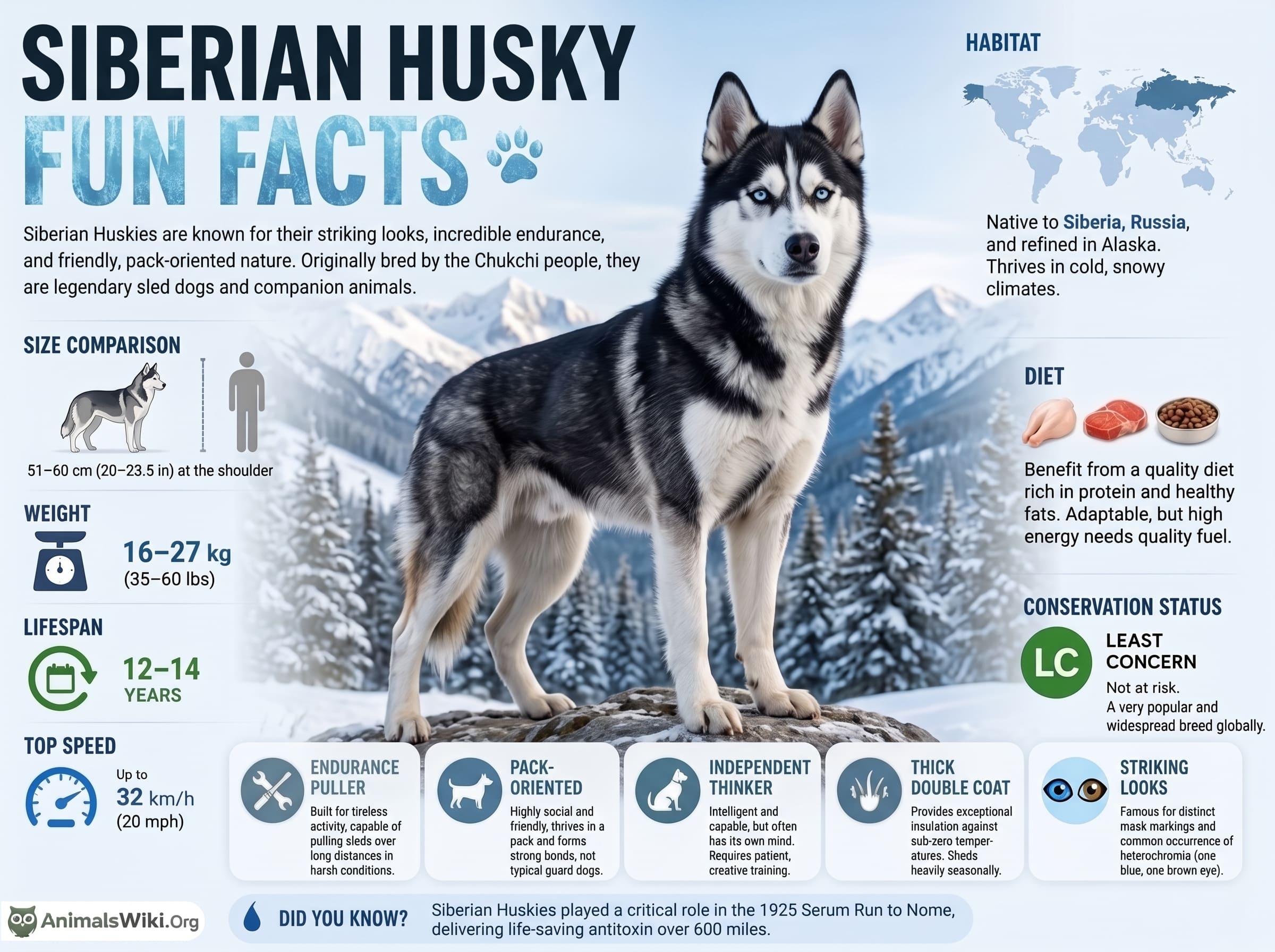
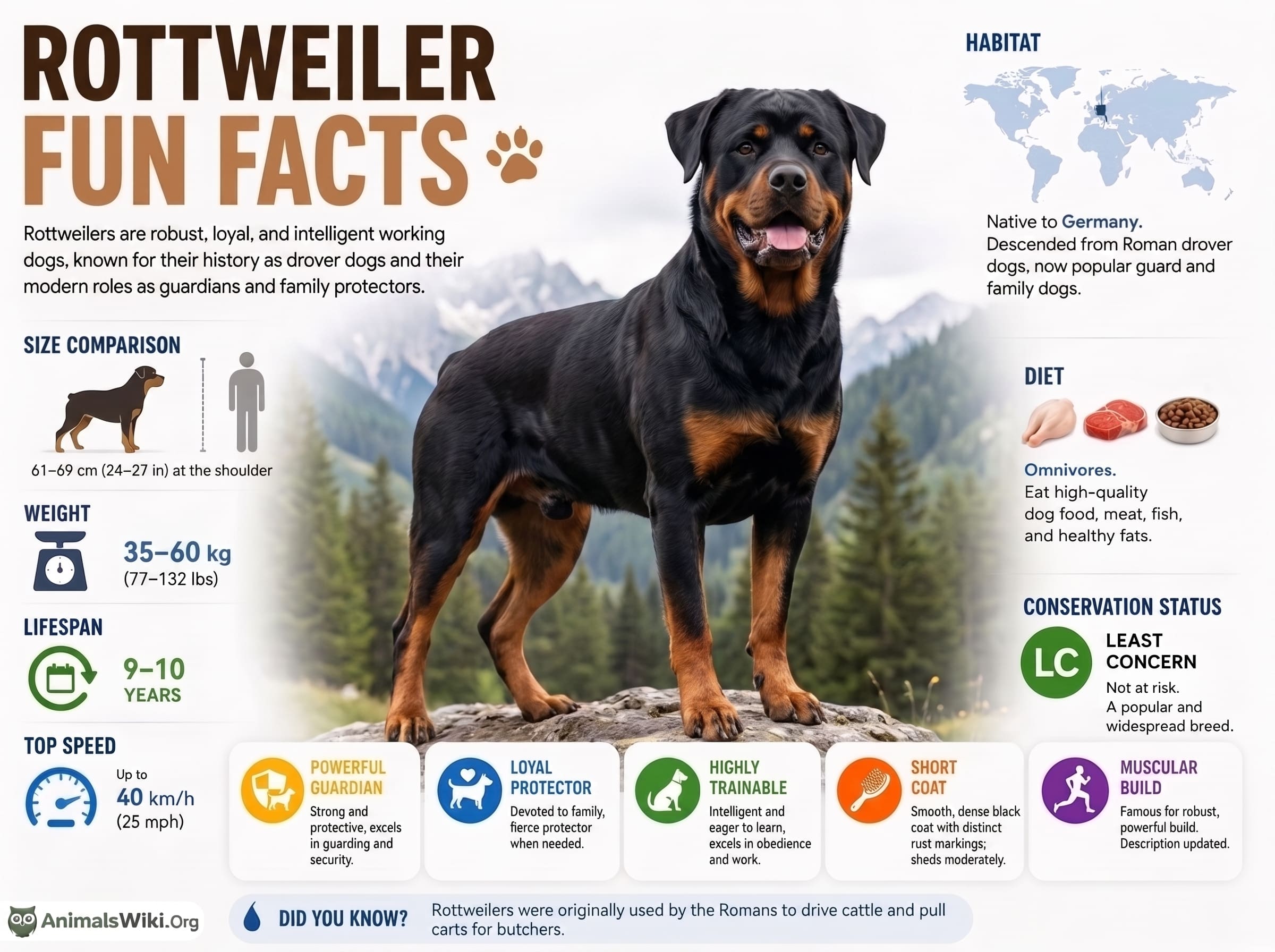
As civilizations developed, dogs diversified in function: herding dogs (Border Collie, Australian Shepherd), guardian dogs (Mastiff, Great Pyrenees), hunting dogs (Bloodhound, Pointer), sled dogs (Siberian Husky, Alaskan Malamute), and eventually — as human leisure time increased — companion dogs bred purely for affection and beauty.
Modern Roles
Today, dogs serve humanity in a staggering array of roles:
- Guide dogs for the visually impaired
- Hearing dogs for the deaf
- Seizure alert dogs for people with epilepsy
- Diabetic alert dogs that detect blood sugar changes through scent
- Cancer detection dogs — research shows dogs can detect certain cancers with accuracy rates over 90%
- Search and rescue dogs deployed in disaster zones worldwide
- Military and police working dogs (K9 units)
- Therapy dogs in hospitals, schools, and care homes
- Conservation detection dogs that sniff out invasive species, illegal wildlife products, and even whale scat for marine biology research
“Dogs have given us their absolute all. We are the center of their universe. We are the focus of their love and faith and trust. They serve us in return for scraps. It is without a doubt the best deal man has ever made.” — Roger Caras, wildlife photographer and author
Did You Know? A trained medical detection dog can detect certain types of cancer — including prostate, breast, and colorectal cancers — from urine or breath samples with accuracy rates that rival or exceed some laboratory tests.
10. Role in the Ecosystem & Food Chain
While domestic dogs are often thought of purely as pets, their ecological impact — particularly as free-ranging animals — is enormous and complex.
As Predators
Free-ranging and feral dogs are the world’s most impactful invasive predator on wildlife. A 2017 study published in PLOS ONE found that feral and free-ranging domestic dogs are implicated in the extinction or endangerment of 11 bird species, 3 reptile species, and 1 mammal species globally, and are a contributing threat to 188 threatened species worldwide.
In contrast, in ecosystems where they have been present for thousands of years — like the Dingo in Australia — canids can play a crucial trophic cascade role. Dingoes, for instance, suppress populations of feral cats and foxes, which in turn protects small native marsupials. The removal of dingoes from ecosystems has in some cases led to increases in invasive species and declines in native wildlife.
As Scavengers
In many developing nations, free-ranging dogs serve as significant urban scavengers, processing organic waste and reducing the burden on municipal waste systems — a role similar to that played by vultures in open ecosystems.
11. Conservation Status & Wild Dog Threats
While the domestic dog as a species is not endangered — with a global population approaching 1 billion — the picture is far more complex when we consider the dog’s wild relatives and the ecological challenges posed by feral dog populations.
The African Wild Dog — A Species in Crisis
The African Wild Dog (Lycaon pictus) — though a distinct species rather than a subspecies of the domestic dog — is the wild canid most severely threatened today.
IUCN Red List Status: Endangered
With only approximately 6,600 individuals remaining in the wild as of 2026, the African wild dog is one of Africa’s most endangered large carnivores. Key threats include:
- Habitat fragmentation — their large home ranges (up to 900 km²) make them particularly vulnerable to land conversion
- Human-wildlife conflict — persecution by livestock farmers
- Disease — rabies and canine distemper transmitted from domestic dogs are devastating wild dog populations
- Road kills across increasingly fragmented African landscapes
Comparison with Related Species
| Species | Conservation Status | Estimated Population | Primary Threats |
|---|---|---|---|
| Domestic Dog | Least Concern | ~900 million | Overpopulation, strays |
| African Wild Dog | Endangered | ~6,600 | Habitat loss, disease |
| Dingo | Vulnerable (Australia) | ~10,000–50,000 | Hybridization, persecution |
| New Guinea Singing Dog | Endangered (wild) | <100 (wild pure) | Habitat loss, hybridization |
| Gray Wolf | Least Concern (globally) | ~300,000 | Regional persecution |

12. Famous Dogs in History, Science & Pop Culture
Dogs have captured human imagination across centuries and cultures. Here are some of the most remarkable individual dogs in recorded history:
Laika (1957) — The Soviet space dog who became the first animal to orbit Earth aboard Sputnik 2. Her mission was one-way; she became a global symbol of both scientific ambition and the ethical debate around animal research.
Balto (1925) — The Siberian Husky who led the final stretch of the famous Nome serum run across Alaska, delivering diphtheria antitoxin to save hundreds of lives. A statue of Balto stands in Central Park, New York City.
Endal (1997–2009) — A Labrador Retriever service dog in the UK who was awarded the PDSA’s Gold Medal — the highest animal civilian honor in the UK. Endal could operate elevator buttons, retrieve items from ATM machines, and even covered his owner with a blanket.
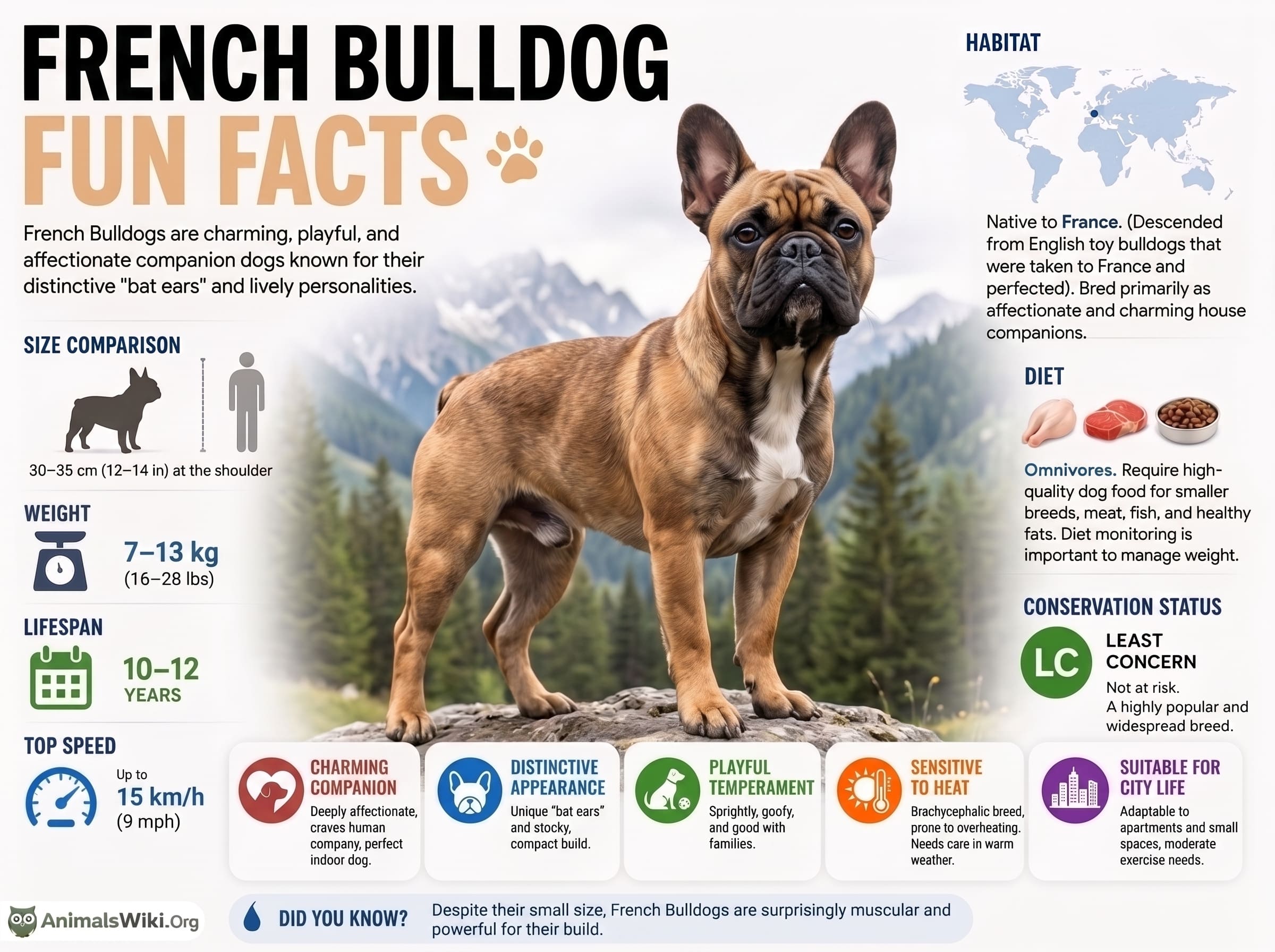
Hachiko (1923–1935) — The Akita from Japan who waited for his deceased owner at Tokyo’s Shibuya Station every day for nearly 10 years after his owner’s death. His story has been immortalized in film, literature, and a famous bronze statue at Shibuya Station.
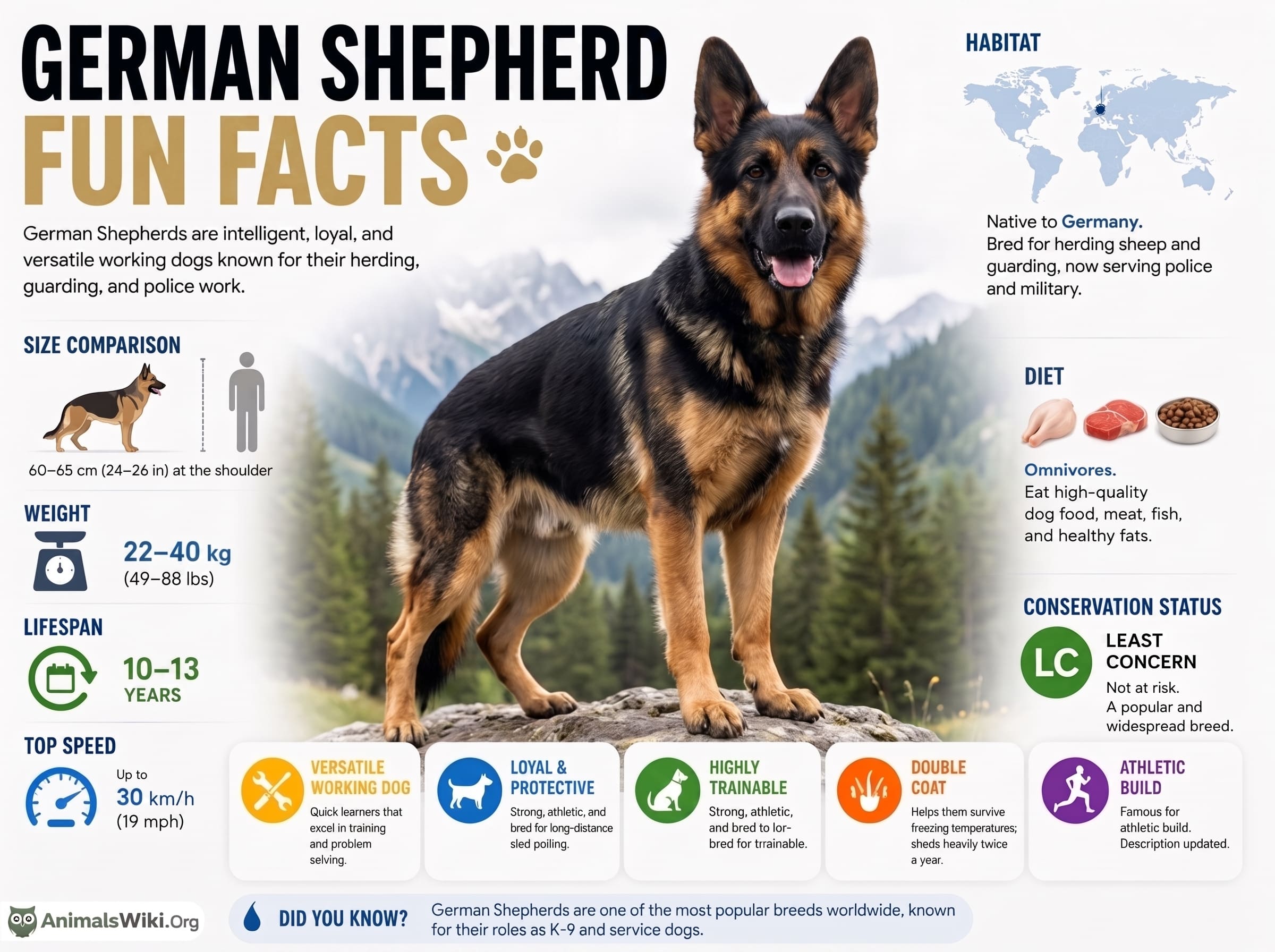
Rin Tin Tin — A German Shepherd rescued from a World War I battlefield by American soldier Lee Duncan, who went on to star in 27 Hollywood films and is credited with saving the Warner Bros. studio from bankruptcy in the 1920s.
Dogs in Pop Culture
- Lassie (1943 novel, 1954 TV series, multiple films) — the Rough Collie who became cinema’s most iconic dog
- Old Yeller (1957 Disney film) — a heartbreaking tale of loyalty in the American frontier
- Marley & Me (2005 memoir by John Grogan; 2008 film) — a celebration of the joyful chaos of dog ownership
- 101 Dalmatians (1956 novel; 1961 Disney film) — brought the Dalmatian breed to global fame
- White Fang by Jack London — a classic novel exploring the boundary between wild wolf and domestic dog
- The Andrex puppy (UK) and RCA’s Nipper (listening to a gramophone) — two of the most recognizable animal brand mascots in advertising history
Did You Know? After Lassie premiered in 1954, Rough Collie registrations with the American Kennel Club increased by nearly 400% — demonstrating the extraordinary influence popular culture has on dog breed popularity.

13. Myths, Folklore & Cultural Significance Around the World
The dog occupies a profound place in the mythology, religion, and folklore of virtually every human civilization on Earth.
Ancient Egypt — The god Anubis, depicted with the head of a jackal (or dog), guided the souls of the dead to the afterlife. Dogs were kept in temples and mummified alongside their owners.
Ancient Greece & Rome — Cerberus, the three-headed dog, guarded the entrance to the underworld in Greek mythology. Dogs were associated with the goddess Hecate and were sacrificed in some rituals. Roman soldiers kept dogs as symbols of loyalty and courage.
Norse Mythology — Garm, a monstrous dog, guarded the gates of Hel (the Norse underworld). The wolf Fenrir — though distinct from a dog — reflects canid themes in Norse cosmology.
Native American Traditions — Dogs held a sacred role in many Indigenous North American cultures, often seen as spiritual guides, guardians, and partners in the afterlife. The Chinook and Salish peoples bred specific dog breeds for wool production.
Chinese Culture — The dog is one of the 12 animals of the Chinese Zodiac, associated with loyalty, honesty, and a strong sense of justice. People born in the Year of the Dog are believed to be reliable and kind-hearted.
Hindu Tradition — In the Mahabharata, the hero Yudhishthira refuses to enter heaven without his faithful dog — a story that eloquently captures the Hindu respect for the human-dog bond.
Islam — While some Islamic traditions consider dogs ritually impure, the Quran mentions a dog in the story of the People of the Cave (Al-Kahf) as a loyal guardian, and many Islamic scholars recognize the dog’s practical and emotional value to humans.

14. Best Places to See Wild Dogs Around the World
African Wild Dogs:
- Hwange National Park, Zimbabwe — one of the best populations in southern Africa
- Kruger National Park, South Africa — recovering populations with active conservation programs
- Selous Game Reserve, Tanzania — one of the largest remaining wild dog populations on Earth
- Ruaha National Park, Tanzania — increasingly important for wild dog conservation
Dingoes:
- Fraser Island (K’gari), Queensland, Australia — home to one of the most genetically pure dingo populations
- Kakadu National Park, Northern Territory, Australia
New Guinea Singing Dogs:
- Lorentz National Park, Papua, Indonesia — remote but the best chance of encountering wild singing dogs
Wolves (Closest wild relatives):
- Yellowstone National Park, USA — wolf reintroduction program since 1995 has created world-class wildlife viewing
- Białowieża Forest, Poland/Belarus — ancient forest with thriving wolf population
You may also like: Top 10 Most Endangered Animals in Africa | The Complete Guide to Wolves | African Safari Wildlife Guide 2026
15. How You Can Help
Whether you’re a dog owner, a wildlife enthusiast, or simply someone who cares about animals, there are meaningful ways to make a difference.
For Domestic Dog Welfare
- Adopt, don’t shop — visit your local shelter before considering a breeder
- Spay and neuter your pets to help reduce the global stray dog crisis
- Support local shelters and rescue organizations through donations, fostering, or volunteering
- Report animal cruelty to local authorities immediately
For Wild Dog Conservation
- African Wild Dog Conservancy (wilddog-conservancy.org) — on-the-ground conservation across Africa
- Painted Dog Conservation (painteddog.org) — working specifically with African wild dogs in Zimbabwe
- Dingo for Biodiversity — advocating for dingo protection in Australia
- WWF — supports wild dog and wolf conservation programs globally
- IUCN Canid Specialist Group — the international body coordinating canid research and conservation
What You Can Do Right Now
- Donate to a reputable dog conservation charity
- Sponsor a working detection dog through organizations like Medical Detection Dogs (UK)
- Reduce your consumption of products associated with deforestation — habitat loss is a primary driver of wild canid decline
- Share accurate information about the ecological importance of wild dogs and dingoes
Top Documentaries & Books
- “Dogs” (Netflix, 2018) — a moving documentary series exploring human-dog relationships worldwide
- “The Secret Life of Dogs” (BBC, 2013) — a scientific exploration of canine behavior and cognition
- “Inside the Mind of a Dog” (Netflix, 2024) — explores the latest science of dog cognition
- “The Other End of the Leash” by Patricia McConnell — a must-read for understanding how humans and dogs communicate
- “Inside of a Dog” by Alexandra Horowitz — a beautifully written scientific exploration of the dog’s sensory world
16. Dog Fun Facts for Kids
- Dogs have three eyelids — including a third eyelid called the nictitating membrane that helps protect and lubricate the eye
- A dog’s nose print is as unique as a human fingerprint — no two are alike
- Dogs can learn an average of 165 words, while the most exceptional individuals (like Chaser the Border Collie) have learned over 1,000 words
- The Basenji is known as the “barkless dog” — it produces a unique yodel-like sound called a barroo instead of a traditional bark
- Dogs dream — their sleep involves REM cycles similar to humans, during which they twitch, whimper, and move their paws
- A dog’s heart beats 60–140 times per minute — faster than a human’s resting rate of 60–100 BPM
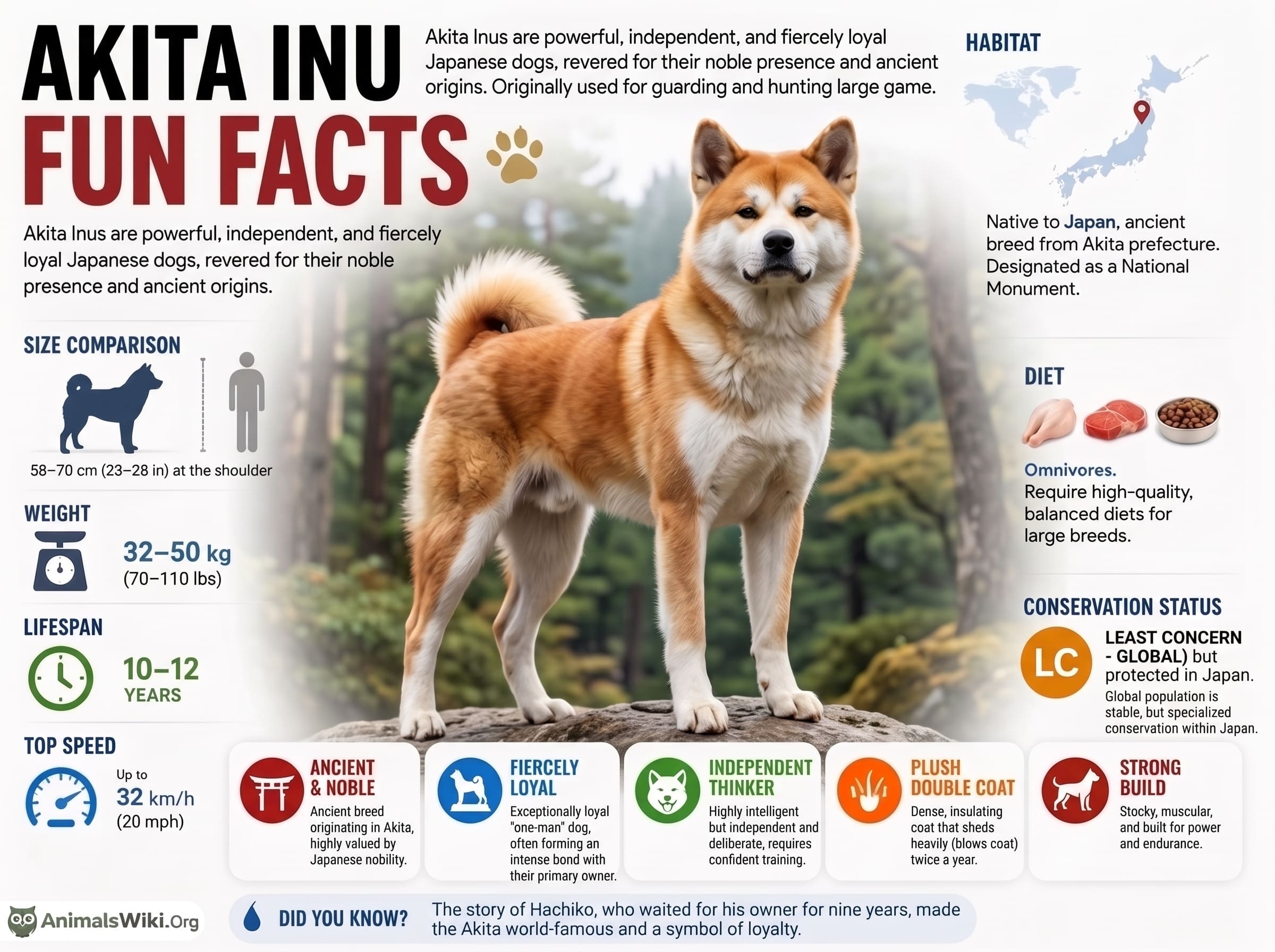
- The Labrador Retriever has been the most popular dog breed in the United States for over 30 consecutive years (though recently challenged by the French Bulldog)
- Dogs sweat primarily through their paw pads, not through their skin — panting is their main cooling mechanism
- The oldest known dog breed is disputed, but the Saluki and Basenji are among the candidates, with histories stretching back thousands of years in ancient Egypt and Africa respectively
17. Frequently Asked Questions About Dogs
Q1: What is the scientific name for a dog?
The domestic dog’s scientific name is Canis lupus familiaris — a subspecies of the gray wolf (Canis lupus). The name reflects the dog’s direct evolutionary descent from wolf ancestors, a relationship confirmed by decades of genetic research.
Q2: How long do dogs live?
The average dog lives 10–13 years, though this varies significantly by size and breed. Smaller dogs tend to live longer — a Chihuahua might reach 18–20 years — while giant breeds like Great Danes often live only 7–10 years. The verified record holder was Bobi, a Portuguese dog who reportedly lived 30 years, though some researchers have questioned this record.
Q3: Are dogs really descended from wolves?
Yes — this is one of the most well-established facts in animal genetics. Domestic dogs are a subspecies of the gray wolf (Canis lupus). DNA analysis confirms that all domestic dogs share a common wolf ancestor, with domestication occurring somewhere between 15,000 and 40,000 years ago, most likely in Asia or Europe.
Q4: How many dog breeds exist?
The Fédération Cynologique Internationale (FCI) — the world’s largest international canine organization — recognizes 340 breeds as of 2026. The American Kennel Club (AKC) recognizes 200+ breeds. New breeds are occasionally recognized as populations become established and standardized.
Q5: What is the rarest dog breed in the world?
The New Guinea Singing Dog is among the rarest, with fewer than 100 believed to exist in the wild in their pure form. In terms of recognized domestic breeds, the Azawakh, Otterhound, and Norwegian Lundehund are among the rarest, with annual registration numbers sometimes in the double digits.
Q6: Why do dogs wag their tails?
Tail wagging is a complex communication signal — not simply an expression of happiness. Dogs wag to the right when experiencing positive emotions (seeing their owner) and to the left when anxious or encountering a stranger. The speed, height, and arc of the wag all carry distinct social information. Puppies don’t begin wagging until approximately 3–4 weeks of age, when social communication with siblings and mother begins.
Q7: Are dogs colorblind?
Dogs are not fully colorblind, but they see a more limited color spectrum than humans. They perceive blues, yellows, and various shades of gray well, but cannot distinguish between red and green — similar to a human with red-green color blindness. Their vision is optimized for detecting movement and performing well in low-light conditions, rather than for color discrimination.
Q8: How do dogs detect diseases in humans?
Dogs detect diseases primarily through their extraordinary sense of smell. Diseases like cancer, diabetes, and epilepsy produce subtle changes in a person’s volatile organic compound (VOC) profile — essentially the chemical signature of their breath, sweat, and urine. Trained medical detection dogs can identify these chemical changes with accuracy rates that, in some studies, exceed 90%. Researchers believe this is due to specific compounds — like alkanes and benzene derivatives — that are produced at higher levels in diseased tissue.
Q9: What is the most intelligent dog breed?
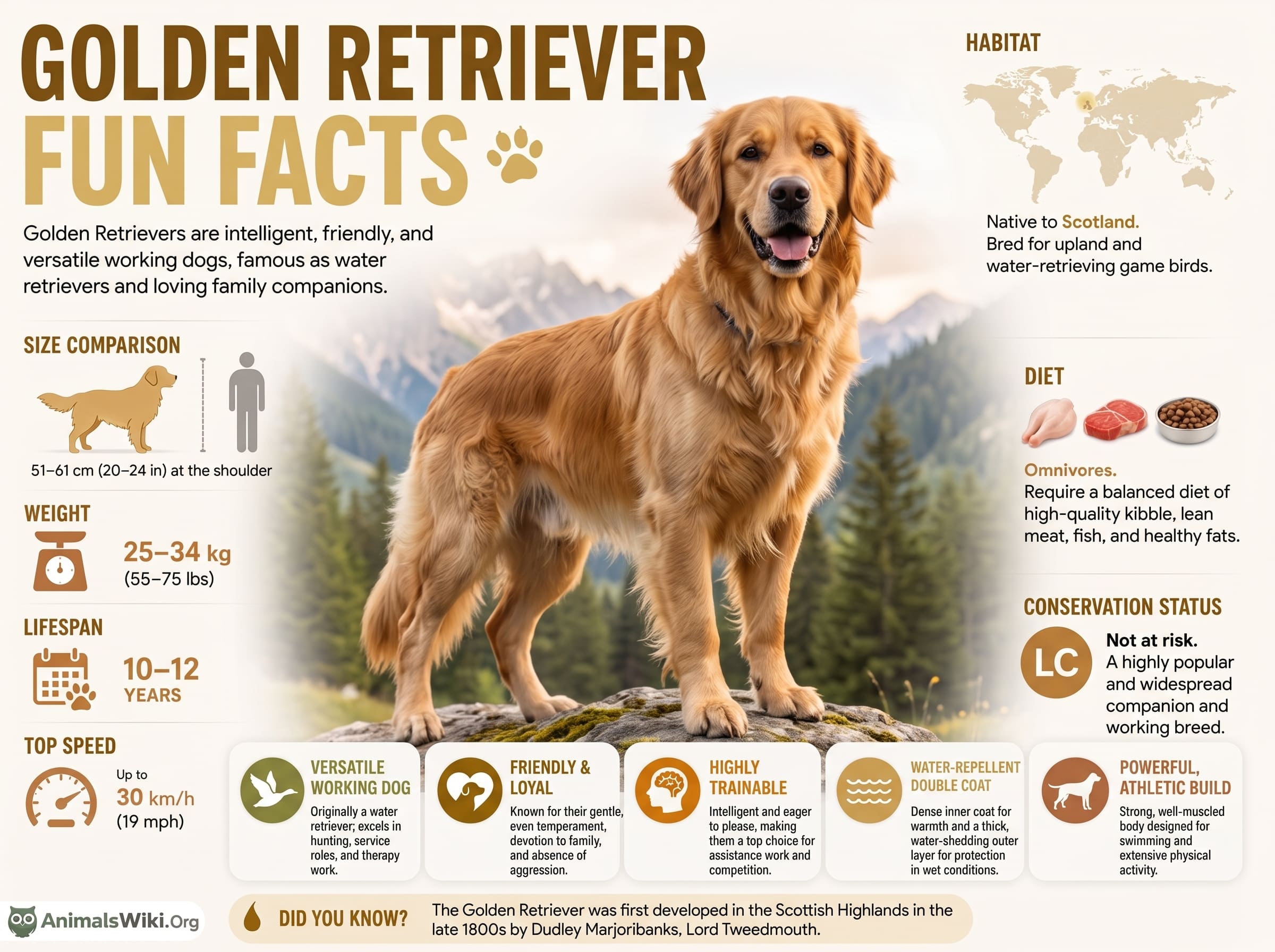
According to canine psychologist Dr. Stanley Coren’s landmark research, the Border Collie is considered the most intelligent dog breed in terms of obedience and working intelligence — able to learn a new command in under 5 repetitions and obey it 95% of the time. Other top performers include the Poodle, German Shepherd, Golden Retriever, and Doberman Pinscher. However, many behavioral scientists caution that “intelligence” in dogs is multi-dimensional — some breeds excel in independence, problem-solving, or scent work in ways that obedience-based tests don’t fully capture.
18. Sources Researched
- Dog Images — shutterstock.com
- Wikipedia — en.wikipedia.org/wiki/Dog
- National Geographic — nationalgeographic.com
- WWF (World Wildlife Fund) — worldwildlife.org
- IUCN Red List — iucnredlist.org
- Britannica — britannica.com/animal/dog
- American Kennel Club (AKC) — akc.org
- Fédération Cynologique Internationale (FCI) — fci.be
- Smithsonian’s National Zoo — nationalzoo.si.edu
- PubMed / NCBI — ncbi.nlm.nih.gov (peer-reviewed canine research)
- Medical Detection Dogs — medicaldetectiondogs.org.uk
- African Wildlife Foundation — awf.org
- Painted Dog Conservation — painteddog.org
- PLOS ONE — journals.plos.org (feral dog ecological impact research)
- Duke Canine Cognition Center — sites.duke.edu/dukeccc
- Biography.com and IMDb (for pop culture references)
19. Dog Images (Shutterstock)