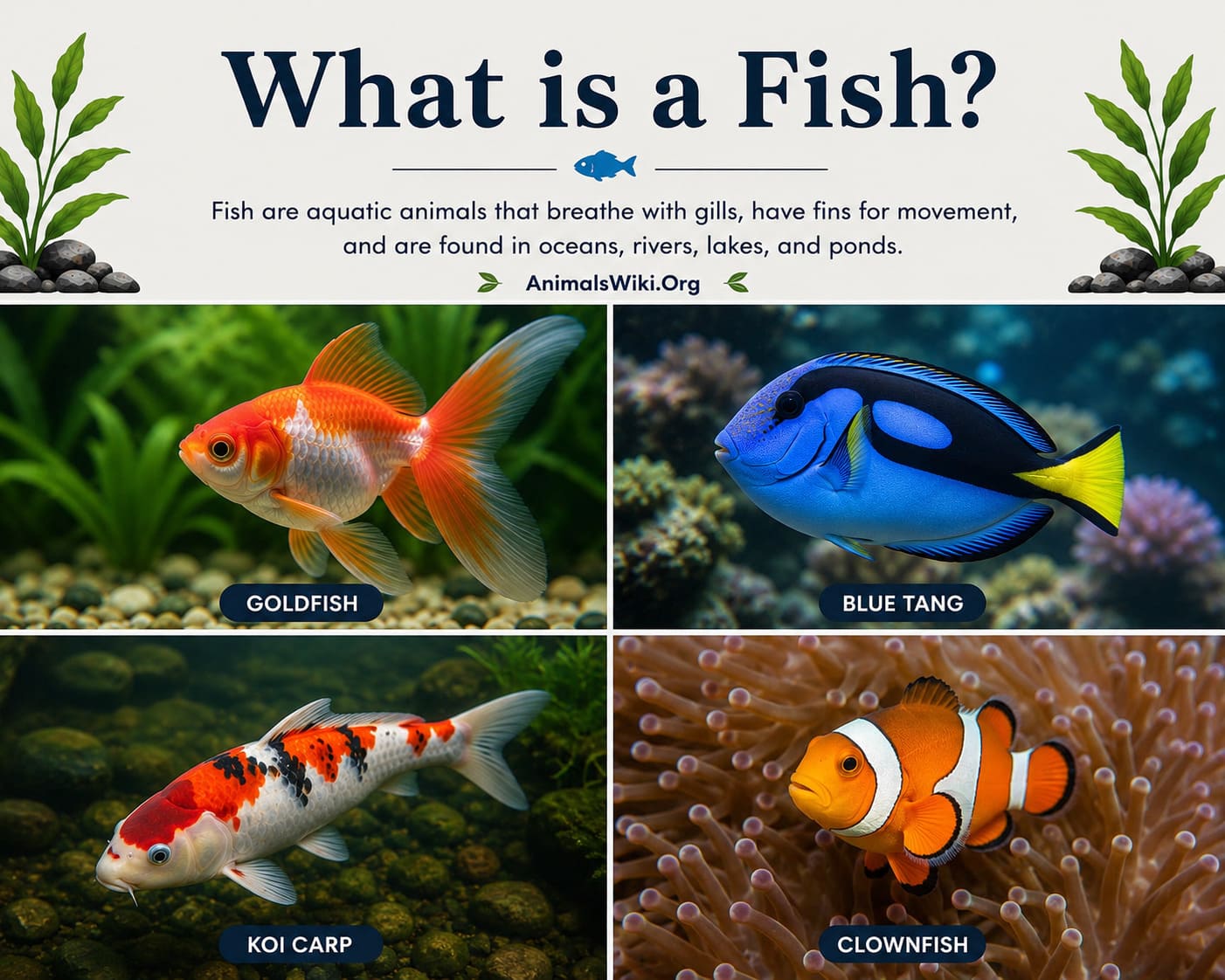
What is a Fish
Fish Facts
| Feature | Details |
|---|---|
| Common Name | Fish (collective term for a superclass of aquatic vertebrates) |
| Scientific Classification | Multiple classes: Actinopterygii, Chondrichthyes, Sarcopterygii, Agnatha |
| Kingdom | Animalia |
| Phylum | Chordata |
| Estimated Species | ~36,000+ known species (2026) |
| Lifespan Range | Days (pygmy goby) to 500+ years (Greenland shark) |
| Weight Range | <1 gram (dwarf minnow) to 21,500 kg (whale shark) |
| Size Range | 8 mm (Paedocypris progenetica) to 12+ m (whale shark) |
| Diet | Omnivores, carnivores, herbivores, filter feeders, detritivores |
| Habitat | Every aquatic environment on Earth |
| Global Biomass | ~0.8 billion tonnes (estimated) |
| Conservation Status | Varies — many species Critically Endangered |
| Oldest Fossil Evidence | ~530 million years ago (Cambrian period) |
| % of All Vertebrates | Fish make up approximately 50% of all vertebrate species |
1. Fish Species Overview & Scientific Classification
Dive beneath the surface of any body of water on Earth — a tropical coral reef, a frigid Arctic lake, a pitch-black deep-ocean trench, even an underground cave system — and you will almost certainly find fish. They are everywhere. They are ancient. They are astonishingly diverse. And they are, without question, the most successful group of vertebrates that has ever lived on this planet.
“Fish” is not, strictly speaking, a single biological group. It is a convenient collective term for an enormous and wildly varied assemblage of aquatic, gill-breathing, typically cold-blooded vertebrate animals. To say “fish” encompasses everything from the 8 mm Paedocypris progenetica — the world’s smallest vertebrate, barely larger than a mosquito — to the 12-metre whale shark, the largest fish and largest non-mammalian vertebrate on Earth. It includes the electric eel that generates 800-volt shocks, the anglerfish that lures prey with a bioluminescent lantern in the abyss, the lungfish that breathes air and can survive years without water, and the humble goldfish sitting in a glass bowl on your windowsill.
With over 36,000 known species as of 2026 — and scientists estimating that hundreds more remain undiscovered — fish represent approximately half of all vertebrate species on Earth. They have colonized every aquatic environment our planet offers, from the sunlit surface waters of tropical oceans to hydrothermal vent systems 4,000 metres below the sea surface, where temperatures near boiling and pressure would crush a human body in seconds.
Species Classification Table
| Group | Class | Example Species | # Known Species |
|---|---|---|---|
| Ray-finned Fish | Actinopterygii | Salmon, tuna, goldfish, clownfish | ~30,000+ |
| Cartilaginous Fish | Chondrichthyes | Sharks, rays, skates, chimaeras | ~1,100+ |
| Lobe-finned Fish | Sarcopterygii | Coelacanth, lungfishes | ~8 living species |
| Jawless Fish | Agnatha (Cyclostomata) | Lampreys, hagfish | ~120+ |
Ray-finned fish — the Actinopterygii — are by far the dominant group, comprising roughly 96% of all fish species. Their fins are webs of skin supported by bony rays, giving them extraordinary maneuverability. This group includes virtually every fish most people would recognize: salmon, trout, cod, bass, tuna, goldfish, guppies, clownfish, and thousands more.
“In every outthrust headland, in every curving beach, in every grain of sand, there is the story of the earth.” — Rachel Carson, marine biologist and author of The Sea Around Us, on the ocean and its inhabitants
2. Fish Physical Description & Unique Features
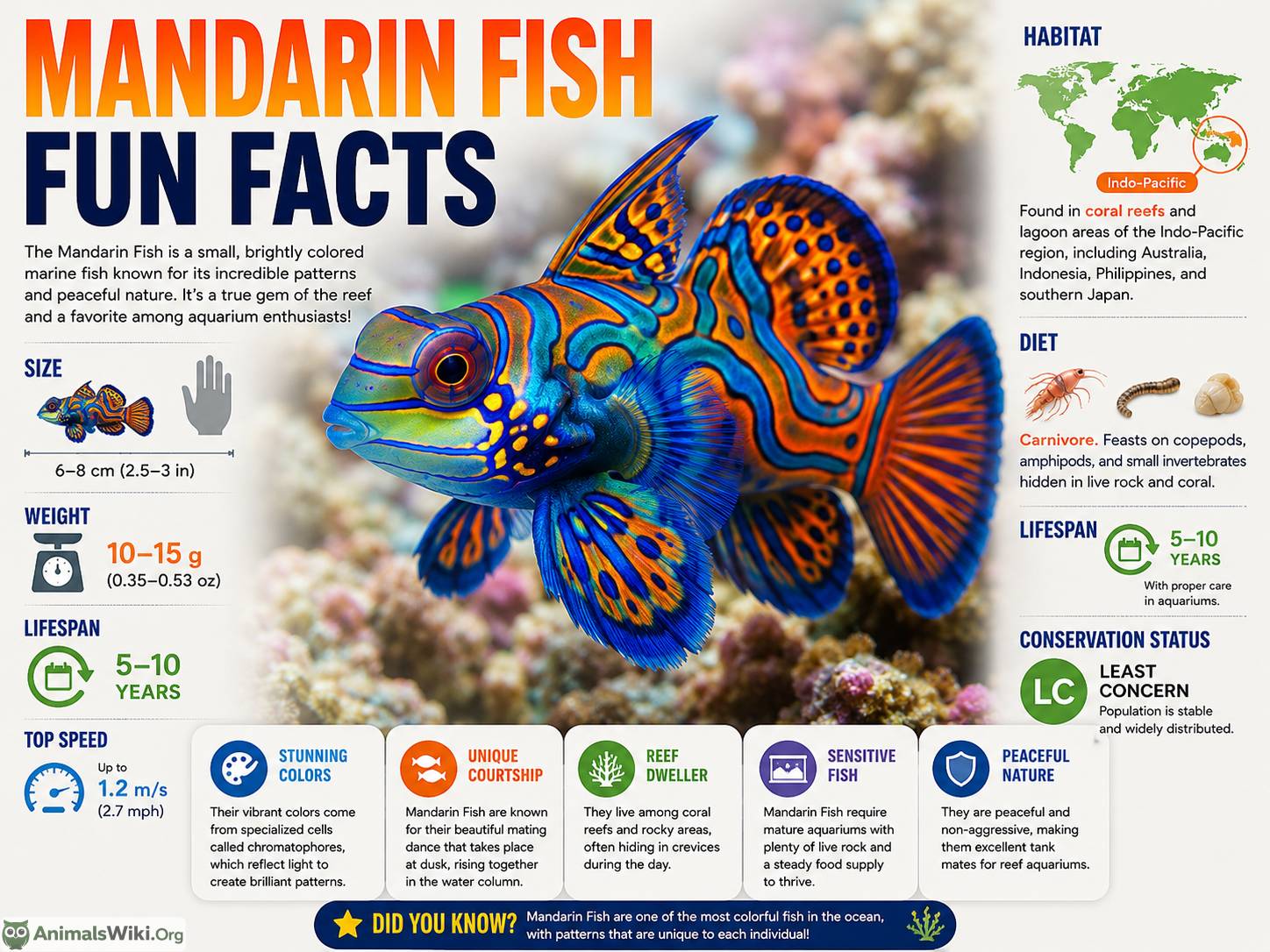
If there is one word that defines fish as a group, it is diversity. No other class of vertebrates displays such extraordinary variation in body shape, color, size, physiology, and adaptation. Yet beneath that diversity, certain fundamental features unite the group.
The Basic Fish Body Plan
Most fish share a streamlined, laterally compressed body optimized for movement through water. This fusiform shape minimizes drag — a principle so effective that human engineers have copied it in everything from submarines to aircraft. Key anatomical features common to most fish include:
- Gills — the defining respiratory organ of fish, extracting dissolved oxygen directly from water as it passes over delicate, blood-rich filaments
- Fins — used for propulsion, steering, and stability; the specific number and arrangement varies dramatically across species
- Scales — protective outer covering; vary from the heavy, bony scales of carp to the microscopic, tooth-like dermal denticles of sharks
- Lateral line — a sensory organ running along the length of the body that detects pressure changes and vibrations in the water, effectively giving fish a “sixth sense” for movement around them
- Swim bladder — a gas-filled organ present in most ray-finned fish that provides buoyancy, allowing fish to hover effortlessly at a chosen depth
Extraordinary Physical Adaptations
The Anglerfish: Deep-sea anglerfish females carry a bioluminescent lure — the esca — on a modified dorsal spine above their mouths. In the pitch darkness of the deep ocean, this living light dangles and pulses to attract prey, sometimes larger than the fish itself.
The Archerfish: This remarkable freshwater fish from Southeast Asia can spit jets of water up to 3 metres into the air with extraordinary accuracy, knocking insects off overhanging vegetation — compensating for light refraction between water and air to aim precisely.
The Mimic Octopus is famous for its mimicry, but the mimic filefish (Paraluterus prionurus) takes a simpler approach — it has evolved to look almost identical to the toxic pufferfish, gaining protection through resemblance.
The Greenland Shark (Somniosus microcephalus) grows so slowly it may not reach sexual maturity until it is 150 years old, and individuals have been dated at over 500 years of age — making them the longest-lived vertebrates on Earth.
Did You Know? The coelacanth (Latimeria chalumnae) — a lobe-finned fish — was believed to have gone extinct 66 million years ago along with the dinosaurs. Then, in 1938, a living specimen was caught off the coast of South Africa, making it one of the most astonishing zoological discoveries in history. Living coelacanths have changed so little in 400 million years that scientists call them a “living fossil.”
3. Natural Habitat & Geographic Range
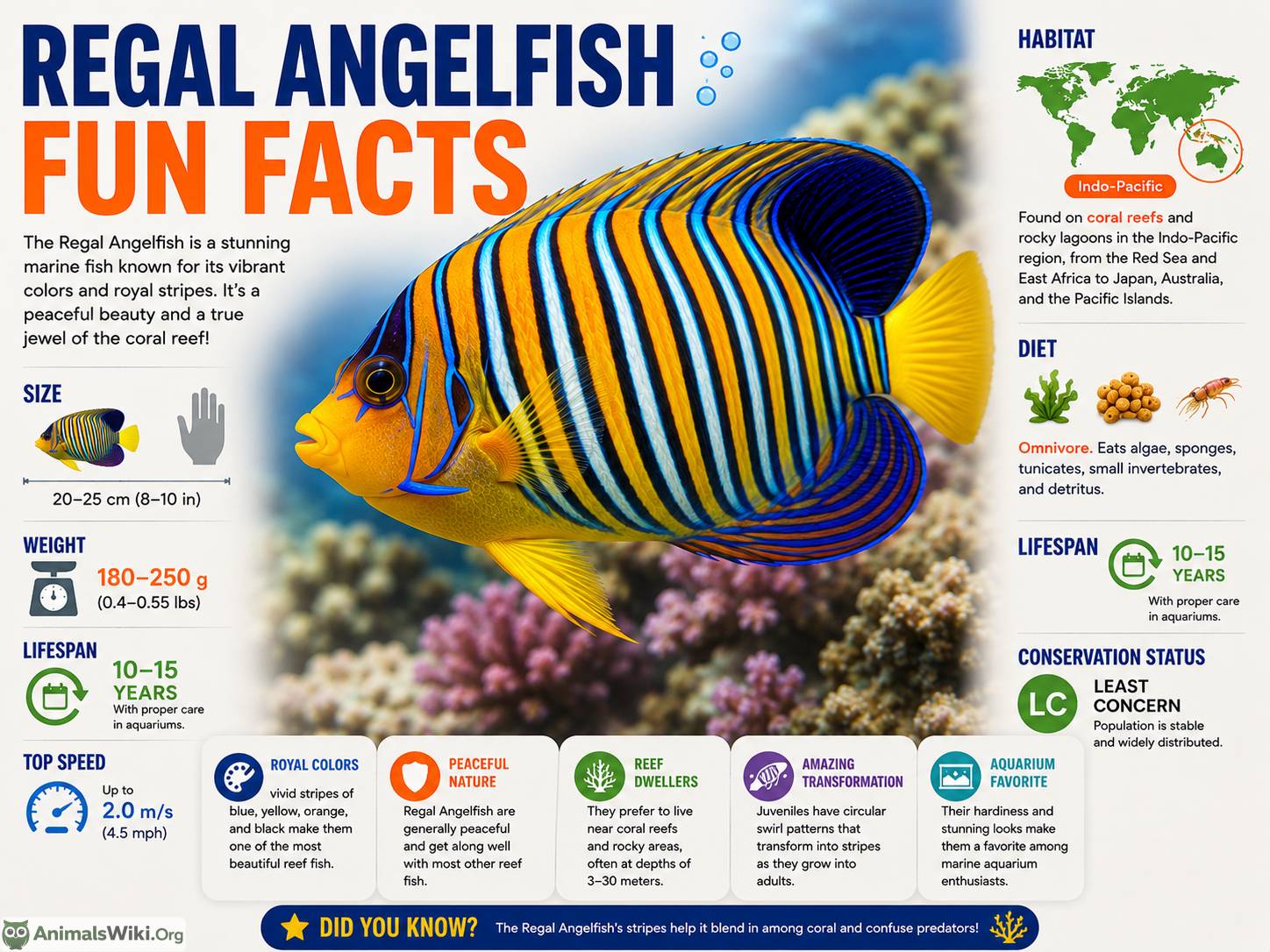
Fish inhabit virtually every aquatic environment on Earth with almost no exceptions. Their ecological reach is staggering — from the sunlit, warm shallows of tropical coral reefs to permanently frozen Arctic lakes, from swift Himalayan mountain torrents to the crushing darkness of the Mariana Trench (nearly 11,000 metres below sea level).
Habitat Range by Environment
| Habitat Type | Examples | Notable Species |
|---|---|---|
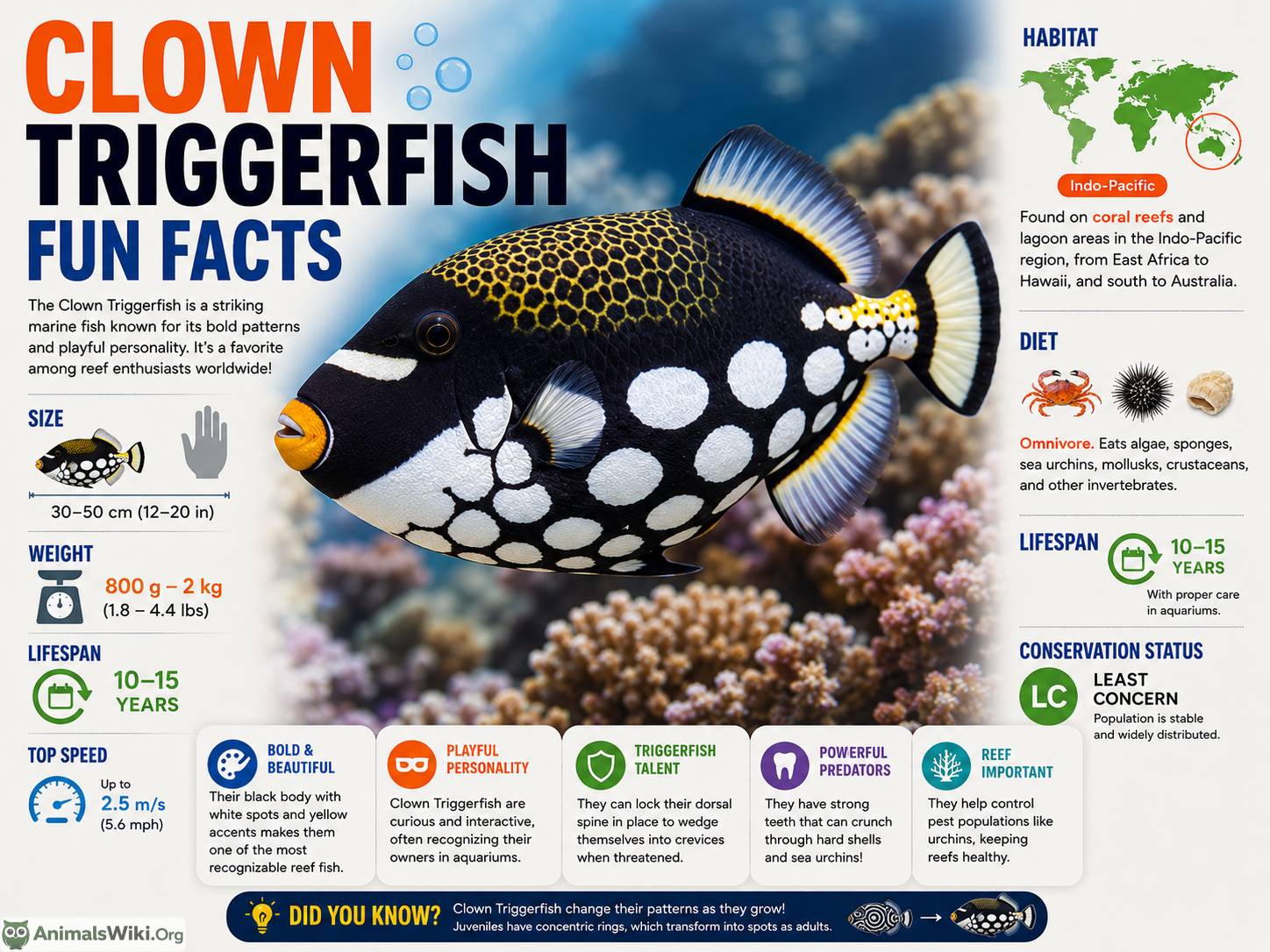
| Tropical Coral Reefs | Great Barrier Reef, Caribbean | Clownfish, parrotfish, reef sharks |
| Open Ocean (Pelagic) | Pacific, Atlantic, Indian Ocean | Tuna, marlin, whale shark, mahi-mahi |
| Deep Sea (Abyssal) | Midnight zone, 1,000–11,000 m | Anglerfish, viperfish, giant oarfish |
| Freshwater Rivers | Amazon, Nile, Mekong | Piranha, arapaima, river dolphin fish |
| Freshwater Lakes | Lake Baikal, Lake Tanganyika | Cichlids, Baikal oilfish, sturgeon |
| Polar Oceans | Arctic, Antarctic | Icefish, Greenland shark, Arctic char |
| Estuaries/Mangroves | Coastal wetlands worldwide | Mudskipper, snook, juvenile reef fish |
| Caves (Hypogean) | Underground aquifers | Mexican tetra (blind cavefish) |
| Hydrothermal Vents | Mid-ocean ridge systems | Vent eelpout, snailfish |
Habitat Range by Continent
| Continent/Region | Freshwater Species | Marine Species | Notable Fact |
|---|---|---|---|
| South America | 6,000+ | 1,500+ | Amazon basin has world’s richest freshwater fish diversity |
| Africa | 3,400+ | 2,000+ | Lake Tanganyika alone has 350+ unique cichlid species |
| Asia | 3,000+ | 3,000+ | Mekong River system: 1,000+ freshwater species |
| North America | 1,000+ | 2,000+ | Great Lakes host 180+ native species |
| Europe | 546+ | 1,000+ | Danube River has 100+ species |
| Australia/Oceania | 300+ | 4,000+ | Great Barrier Reef hosts 1,500+ fish species |
| Polar Regions | Limited | 300+ | Antarctic icefish have antifreeze proteins in blood |
Did You Know? The snailfish (Pseudoliparis swirei), discovered in the Mariana Trench, holds the record as the deepest fish ever recorded — observed at a depth of 8,336 metres in 2023. At this depth, the pressure is equivalent to 800 atmospheres — like having 50 jumbo jets stacked on top of you.
4. Diet & Feeding Behavior
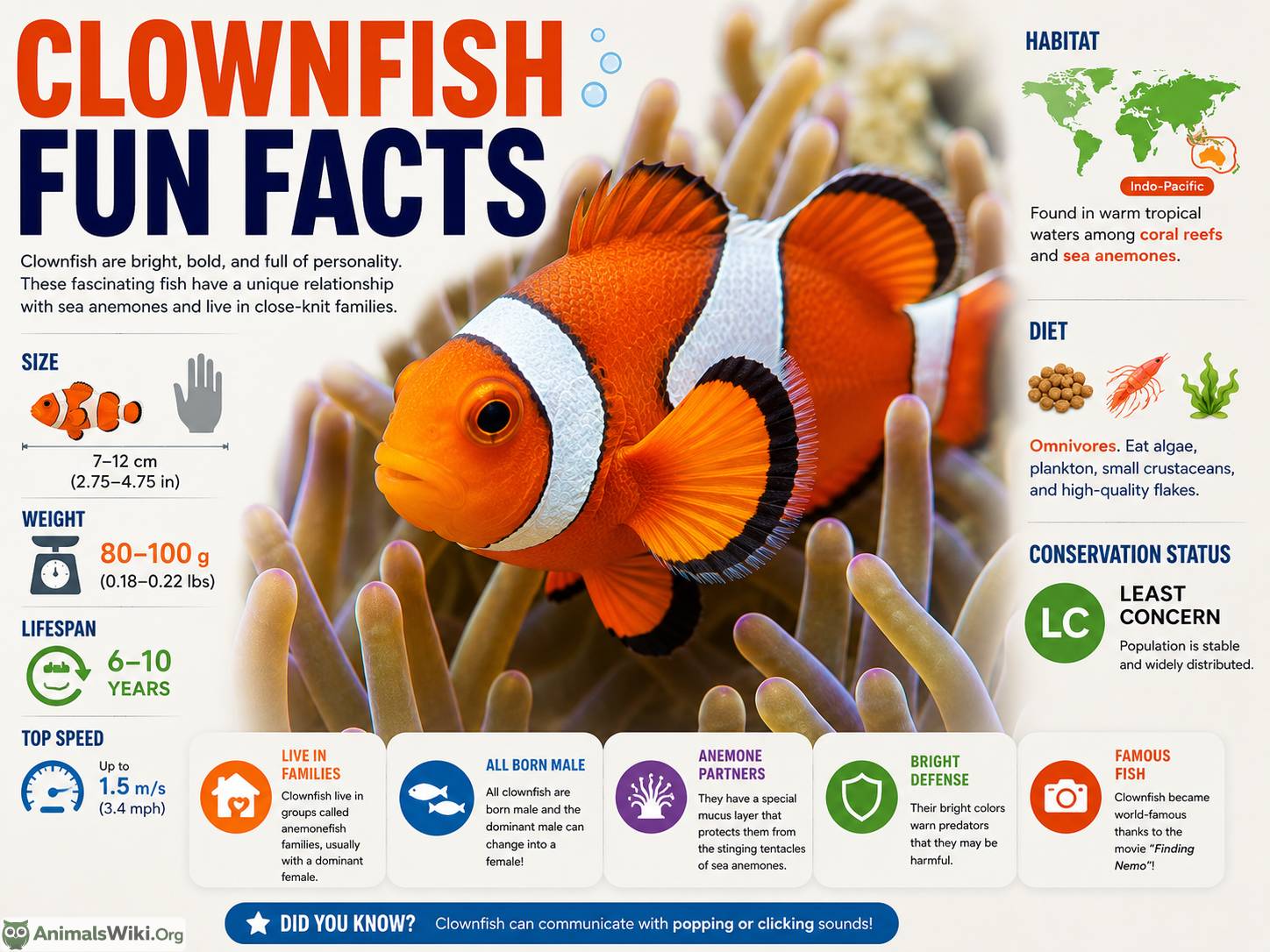
Fish have evolved into virtually every dietary niche that aquatic ecosystems offer. Their feeding strategies are as diverse as their body shapes — and in many cases, just as astonishing.
Dietary Categories
| Feeding Type | Description | Example Species |
|---|---|---|
| Carnivore | Prey on other animals | Great white shark, barracuda, pike |
| Herbivore | Feed on algae and plants | Parrotfish, surgeonfish, grass carp |
| Omnivore | Both plant and animal matter | Carp, tilapia, catfish, bream |
| Filter Feeder | Strain microscopic organisms from water | Whale shark, manta ray, basking shark |
| Planktivore | Feed primarily on plankton | Sardine, herring, anchovies |
| Detritivore | Feed on decaying organic matter | Mullet, loach, many bottom-dwellers |
| Parasitic | Feed on blood/tissue of hosts | Lamprey, cookiecutter shark |
| Piscivore | Feed exclusively on other fish | Tuna, pike, grouper, moray eel |
Remarkable Feeding Strategies
The archerfish spits water to knock insects from branches. The stonefish lies perfectly camouflaged on the seafloor and lunges at passing prey with a strike lasting just 15 milliseconds — one of the fastest predatory strikes in the animal kingdom. The whale shark, despite being the ocean’s largest fish, feeds exclusively on plankton, krill, and small fish, filtering thousands of litres of water per hour.
Perhaps most remarkable is the cleaner wrasse (Labroides dimidiatus), a small reef fish that sets up “cleaning stations” on coral reefs where larger fish — including natural predators — queue patiently to have parasites, dead tissue, and debris removed from their bodies. It is one of nature’s most striking examples of interspecies cooperation.
Diet Breakdown — General Fish Population
| Food Source | % of Fish Species That Consume It |
|---|---|
| Other fish (piscivory) | ~33% |
| Invertebrates (crustaceans, worms, molluscs) | ~55% |
| Algae and plant matter | ~25% |
| Plankton and microorganisms | ~20% |
| Detritus and organic debris | ~15% |
| Mixed/opportunistic | ~30% |
(Many species appear in multiple categories as omnivores)
5. Reproduction & Life Cycle
Fish reproduce in a breathtaking variety of ways — a reflection of the extraordinary diversity of environments they have colonized over 530 million years of evolution.
Reproductive Strategies
Oviparity (egg-laying) is the most common reproductive strategy, used by the vast majority of fish. Females release eggs into the water, which are fertilized externally by males — a process called broadcast spawning. A single female Atlantic cod can release up to 9 million eggs in a single spawning event.
Viviparity (live birth) has evolved independently in multiple fish lineages. Many sharks and some bony fish give birth to fully developed young. Some shark species practice intrauterine cannibalism (adelphophagy) — where the strongest embryo consumes its siblings in the womb before birth.
Ovoviviparity — a middle strategy where eggs are retained inside the mother and hatch internally — is used by many sharks, rays, and some bony fish.
Mouthbrooding is one of the more remarkable strategies: many cichlid species hold fertilized eggs — and later, hatched fry — inside their mouths for weeks, protecting them from predators while barely eating themselves.
Life Stages
| Stage | Description |
|---|---|
| Egg | Fertilized; varies from adhesive benthic eggs to free-floating pelagic eggs |
| Larva | Newly hatched; often transparent, with yolk sac; many look nothing like adults |
| Juvenile | Increasingly resembles adult form; rapid growth phase |
| Sub-adult | Approaching sexual maturity; still growing |
| Adult | Sexually mature; breeding capable |
| Senescent | Post-reproductive decline in some species |
Lifespan Comparison
| Species | Average Lifespan | Maximum Recorded |
|---|---|---|
| Greenland Shark | 250–400 years | 500+ years (est.) |
| Koi Carp | 25–35 years | 226 years (“Hanako”, Japan) |
| Rougheye Rockfish | 100–150 years | 205 years |
| Atlantic Salmon | 4–6 years | ~13 years |
| Clownfish | 6–10 years | ~30 years |
| Pygmy Goby | ~59 days | ~77 days |
| Great White Shark | 40–70 years | ~73 years |
| Goldfish | 10–15 years | ~43 years |
Did You Know? The pygmy goby (Eviota sigillata), a tiny coral reef fish, lives for an average of just 59 days — making it the shortest-lived marine vertebrate on record. On the opposite extreme, the Greenland shark may live over 500 years, meaning some individuals alive today were swimming the Arctic Ocean when Shakespeare was writing his plays.
6. Social Behavior & Communication
Fish are far more socially complex and communicative than most people realize. The popular image of a goldfish with a “three-second memory” and a blank, expressionless face bears almost no relationship to the rich behavioral reality of fish in their natural environments.
Schooling Behavior
Perhaps the most recognizable fish social behavior is schooling — the coordinated movement of large groups of fish in tight, synchronized formations. Schools can number in the millions of individuals (sardine runs off South Africa involve billions of fish) and move with breathtaking coordination, with each fish responding to its neighbors’ movements in real-time.
This synchrony is achieved not through any central “leader” but through each individual fish responding to the movements of the fish immediately around it — a decentralized collective behavior that has fascinated mathematicians, physicists, and biologists alike.
Communication
Fish communicate through a surprisingly rich array of channels:
- Sound production — Many fish produce sounds using their swim bladder, specialized muscles, or grinding teeth. The toadfish produces a foghorn-like mating call so loud it disturbed houseboat residents in San Francisco Bay. Drumfish and croakers are named for their vocalizations.
- Color signals — Many reef fish display vivid colors that communicate species identity, sex, reproductive status, and dominance — sometimes changing color almost instantaneously.
- Bioluminescence — Deep-sea fish use light-producing organs to communicate, attract mates, and lure prey in the absolute darkness of the deep ocean.
- Electrical signals — Electric fish like the weakly electric fish of South America (Gymnotiformes) generate and detect low-voltage electric fields for navigation, communication, and mate selection.
- Chemical signals (pheromones) — Many fish release chemical signals into the water to indicate alarm, attract mates, or establish territory.
Intelligence and Cognition
Recent research has dramatically revised our understanding of fish intelligence. In 2019, researchers demonstrated that the cleaner wrasse could recognize itself in a mirror — passing the mirror self-recognition test that had previously been considered a benchmark of higher intelligence limited to great apes, dolphins, and elephants. This finding remains controversial but has sparked significant debate about the nature of fish cognition.
Research has also shown that fish can use tools (some wrasse use rocks as anvils to crack open clam shells), demonstrate learned behavior, remember locations and individuals for months, and show signs of anticipatory behavior — planning for future events.
Did You Know? Cleaner wrasse fish have been observed apparently deceiving their clients — eating the protective mucus of visiting fish rather than just parasites — but behaving “correctly” when they observe other fish watching. This implies a level of social awareness that was previously thought impossible in fish.
7. Predators & Defense Mechanisms
The aquatic world is one of perpetual predation — and fish have evolved a spectacular arsenal of defensive strategies to survive it.
Natural Predators of Fish
- Larger fish — The primary predators of most fish species; piscivory drives much of the ocean’s food web
- Marine mammals — Dolphins, seals, sea lions, whales (for small fish species)
- Seabirds — Gannets, pelicans, herons, kingfishers, ospreys
- Reptiles — Crocodiles, gharials, sea snakes, marine iguanas
- Humans — By far the most significant predator of fish globally
Defense Mechanisms
Camouflage is perhaps the most widespread defense. The stonefish is so perfectly colored to resemble encrusted rock that it is nearly invisible on the reef floor. Flatfish like flounder and sole can change their skin pattern to match any substrate within seconds.
Schooling provides safety in numbers — the confusion of thousands of flashing bodies makes it extremely difficult for a predator to focus on a single individual, a phenomenon called the “confusion effect.”
Venom and spines are deployed by a remarkable range of species. The stonefish carries the most potent venom of any fish — its dorsal spines can inject a toxin capable of killing a human within hours. The lionfish, scorpionfish, and weeverfish all deploy venomous spines as deterrents.
Electricity is the defense of the electric eel (Electrophorus electricus) — which can discharge up to 860 volts, enough to stun a horse.
Inflation — the pufferfish rapidly swallows water (or air) to inflate itself into a near-spherical shape several times its normal size, making it difficult to swallow. Many species are also lethally toxic — tetrodotoxin (TTX) in pufferfish is approximately 1,200 times more poisonous than cyanide.
Mimicry protects many non-toxic species. The harmless mimic filefish resembles the toxic pufferfish. Several reef species have evolved eye-spots near their tails to confuse predators about which end is which.
8. Evolution & Discovery Timeline
The evolutionary history of fish is essentially the story of vertebrate life on Earth. Fish were the first vertebrates — and from their ancient ancestors, every other backboned animal on land eventually evolved.
~530 million years ago (Cambrian Period) — The first jawless, fishlike vertebrates appear in the fossil record. Haikouichthys, discovered in China’s Chengjiang fossil beds, is among the earliest known vertebrates.
~480 million years ago (Ordovician Period) — Armored jawless fish (ostracoderms) proliferate in shallow seas. These are the ancestors of modern lampreys and hagfish.
~430 million years ago (Silurian Period) — Jawed fish (gnathostomes) emerge — a revolutionary development that would shape all subsequent vertebrate evolution. Placoderms — armored jawed fish — become the dominant vertebrates.
~380 million years ago (Devonian Period) — The “Age of Fishes.” Ray-finned and lobe-finned fish diversify explosively. Lobe-finned fish (Sarcopterygii) develop robust, limb-like fins — the ancestors of the legs that would eventually carry vertebrates onto land. The first tetrapods — four-limbed vertebrates — emerge from lobe-finned fish ancestors. The giant placoderm Dunkleosteus — 10 metres long — terrorizes Devonian seas.
~360 million years ago — Tiktaalik roseae, discovered in 2004 in Arctic Canada, is identified as a crucial transitional fossil — a fish with a neck, ribs, and proto-limbs, bridging the gap between fish and the first land vertebrates.
~250 million years ago (Permian-Triassic boundary) — The Great Dying — Earth’s worst mass extinction — devastates marine life but ray-finned fish survive and eventually diversify spectacularly.
~100 million years ago (Cretaceous Period) — Modern fish groups, including many ancestors of today’s species, are well established.
1938 — Living coelacanth discovered off South Africa — the zoological discovery of the century.
1977 — Deep-sea hydrothermal vents discovered, revealing fish and other life forms existing in conditions previously thought incompatible with life.
2003 — Fish genome sequencing begins in earnest; the pufferfish (Takifugu rubripes) becomes the second vertebrate (after humans) to have its genome fully sequenced.
2023 — Snailfish recorded at 8,336 metres depth in the Mariana Trench, shattering the previous depth record for fish observation.
2025–2026 — Continued deep-sea and freshwater surveys reveal new species at a rate of approximately 150–200 new fish species per year globally.
9. Fish & Humans — Historical & Modern Relationship
The relationship between fish and humanity is as old as our species itself — and in many ways, it helped make us what we are.
The Ancient Bond
Archaeological evidence suggests that human ancestors were fishing at least 1.9 million years ago, with systematic fish exploitation well established by 50,000 years ago. Fish provided a rich source of omega-3 fatty acids, proteins, and micronutrients that many researchers believe were crucial to the expansion of the human brain during our evolutionary history.
Coastal and riverine communities worldwide built entire civilizations around fish. The Nile’s annual flood and its extraordinary fish abundance supported ancient Egyptian civilization. The cod fisheries of the North Atlantic fueled the economies of medieval Europe and drove the exploration of North America. The salmon runs of the Pacific Northwest sustained Indigenous cultures for thousands of years.
Modern Fisheries
Today, fish represent the world’s most widely consumed animal protein. Global fisheries production reached approximately 185 million tonnes in 2024, with a combined value exceeding $500 billion. Roughly 3.3 billion people worldwide rely on fish as a primary source of protein.
The industry divides into capture fisheries (fishing wild populations) and aquaculture (fish farming). Global aquaculture production now exceeds wild-capture fisheries for the first time in history — a milestone passed in the mid-2020s.
Fish in Medicine and Science
Fish have contributed to human medicine and science in extraordinary ways:
- Zebrafish (Danio rerio) are one of the most important model organisms in biomedical research — their transparent embryos and rapid development make them invaluable for studying genetics, developmental biology, disease, and drug development
- Hagfish slime is being studied for applications in bulletproof materials and textiles
- Shark cartilage compounds have been investigated (controversially) in cancer research
- Pufferfish tetrodotoxin is being researched as a powerful painkiller
- Deep-sea fish antifreeze proteins have applications in food preservation and organ transplantation
“The ocean is the lifeblood of Earth, covering more than 70 percent of our planet’s surface. And fish are the ocean’s heartbeat.” — Sylvia Earle, marine biologist and National Geographic Explorer-in-Residence
10. Role in the Ecosystem & Food Chain
Fish are not merely inhabitants of aquatic ecosystems — they are the structural backbone of those systems. Remove fish from the equation, and virtually every aquatic ecosystem on Earth would collapse.
Fish as Primary Consumers
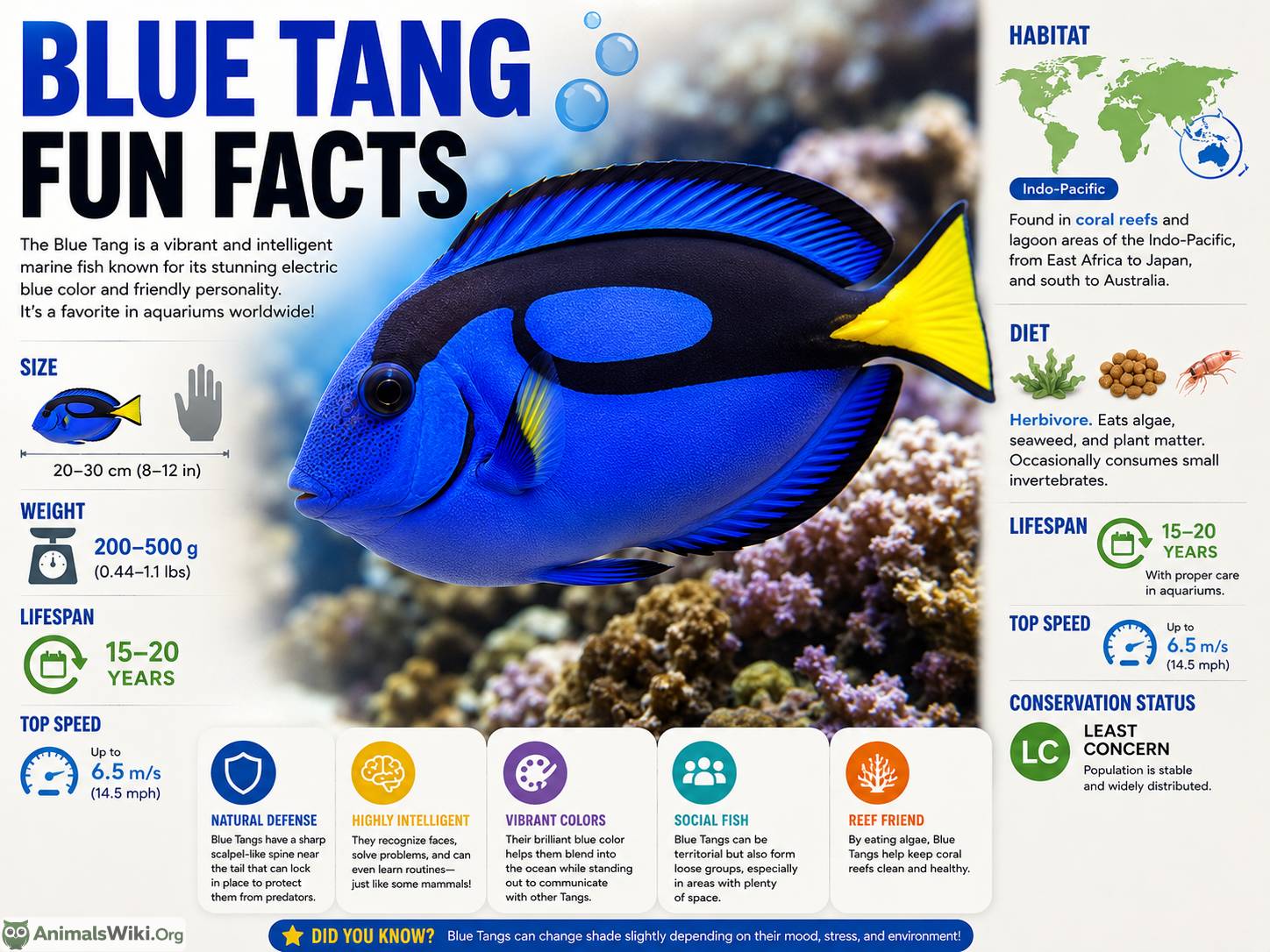
Herbivorous fish like parrotfish and surgeonfish on coral reefs perform a service of incalculable ecological value: grazing on algae that would otherwise smother and kill coral. A healthy population of parrotfish is now understood to be essential for coral reef survival — particularly in the face of climate-driven bleaching events that temporarily kill coral and allow algae to colonize rapidly.
Fish as Apex Predators
Large predatory fish — sharks, tuna, marlin, grouper — regulate the populations of smaller fish and maintain the balance of marine food webs. The removal of apex predators through overfishing causes trophic cascades — chain reactions of ecological disruption that ripple through entire ecosystems.
Fish as Nutrient Cycles
When fish die, their bodies carry marine nutrients into deep water or onto land. Pacific salmon are perhaps the most dramatic example — after spawning, millions of salmon die in rivers, their bodies fertilizing surrounding forests with marine-derived nitrogen and phosphorus. Studies have shown that trees within reach of salmon streams grow significantly faster than those beyond salmon range. Bears, eagles, wolves, and dozens of other species depend on this annual transfer of ocean nutrients to land.
Fish as Prey
Enormous numbers of fish species — particularly small schooling fish like anchovies, sardines, herring, and capelin — serve as critical links between microscopic plankton production and the larger predators (including humans) that depend on them. These “forage fish” are among the most ecologically important animals on Earth, yet they are often overlooked in conservation discussions.
Did You Know? Parrotfish eat coral — literally biting off chunks of reef to access the algae inside — and excrete the calcium carbonate as sand. A single large parrotfish can produce up to 90 kg of sand per year. Many of the world’s most beautiful white sand beaches are, in large part, made of parrotfish excrement.
11. Conservation Status & Threats
The global fish crisis is one of the most serious and underreported environmental emergencies of our time. Across virtually every ocean, river, and lake, fish populations are under extraordinary pressure — and many are declining at alarming rates.
Key Threats
Overfishing is the most pervasive threat. The FAO (Food and Agriculture Organization) estimates that approximately 34% of the world’s marine fish stocks are overfished — meaning they are being harvested faster than they can reproduce — and a further 60% are fished at maximum sustainable limits. Only about 6% of global marine stocks are genuinely underfished.
Habitat Destruction devastates fish populations across all environments. Coral reef degradation (affecting 50% of the world’s reefs since 1950), mangrove deforestation, river damming, wetland drainage, and seabed trawling all destroy critical fish habitat.
Climate Change is now identified as one of the fastest-growing threats. Ocean warming alters species distributions, disrupts spawning cues, bleaches coral reefs, and reduces the oxygen content of seawater. Ocean acidification — driven by increased CO₂ absorption — threatens the shell-forming organisms that form the base of many marine food chains.
Pollution — from agricultural runoff creating dead zones (areas of critically low oxygen), plastic pollution (an estimated 8 million tonnes enters the ocean annually), chemical contaminants, and pharmaceutical waste — degrades water quality across entire river systems and coastal zones.
Invasive Species — often introduced through aquarium releases, ballast water from ships, or deliberate introduction — devastate native fish communities worldwide. The Nile perch introduced to Lake Victoria in the 1950s contributed to the extinction of over 200 endemic cichlid species — one of the largest documented vertebrate extinction events in modern times.
Conservation Status of Key Species
| Species | IUCN Status | Population Trend | Primary Threat |
|---|---|---|---|
| Atlantic Bluefin Tuna | Least Concern (recovering) | Increasing (slowly) | Historical overfishing |
| Whale Shark | Endangered | Decreasing | Boat strikes, bycatch |
| Great White Shark | Vulnerable | Decreasing | Finning, bycatch |
| European Eel | Critically Endangered | Decreasing | Habitat loss, overharvest |
| Sawfish (all species) | Critically Endangered | Decreasing | Bycatch, habitat destruction |
| Atlantic Salmon | Least Concern (many populations declining) | Decreasing | Dams, pollution, climate |
| Coelacanth | Critically Endangered | Unknown | Bycatch, habitat |
| Sockeye Salmon | Least Concern | Variable by population | Climate, dams |
Comparison with Related Aquatic Groups
| Animal Group | # Species | Conservation Concern Level | Key Shared Threat |
|---|---|---|---|
| Fish | ~36,000 | Very High | Overfishing, habitat loss |
| Marine Mammals | ~130 | High | Bycatch, pollution |
| Sea Turtles | 7 | Critical | Bycatch, plastic, habitat |
Did You Know? Scientists estimate that 1 in 3 freshwater fish species is currently threatened with extinction — a higher proportion than in most terrestrial vertebrate groups. Freshwater ecosystems cover less than 1% of Earth’s surface but support approximately 10% of all known animal species.
12. Famous Fish in Science, History & Pop Culture
The Coelacanth — discovered alive in 1938 after being assumed extinct for 66 million years, the coelacanth remains the most dramatic zoological rediscovery in history. A second species was discovered off Sulawesi, Indonesia, in 1997.
Jaws (1975) — Steven Spielberg’s film, based on Peter Benchley’s 1974 novel, created a cultural image of the great white shark as a mindless killing machine — an image that drove public fear, shark hunting, and ultimately damaged conservation efforts for decades. Benchley himself later deeply regretted the novel’s impact and became a passionate shark conservationist.
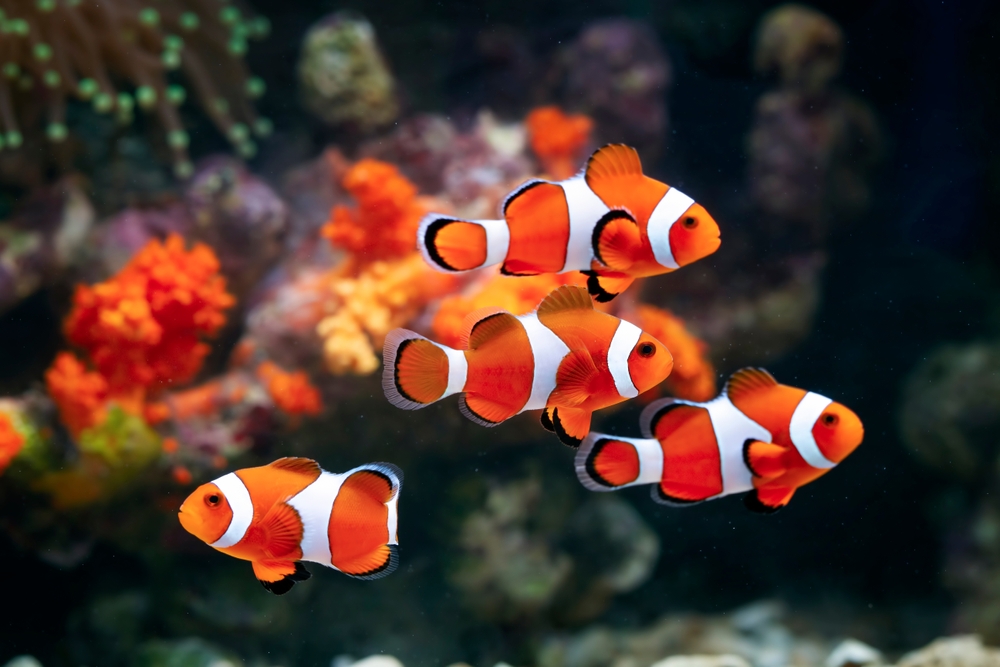
Nemo — the clownfish (Amphiprioninae) shot to global fame following Pixar’s Finding Nemo (2003) and Finding Dory (2016). Tragically, the film’s popularity drove a surge in clownfish purchases, with buyers unaware that most wild-caught clownfish die in captivity — the opposite of the movie’s message.
The Piranha — South American piranhas have been mythologized in popular culture as ferocious killers capable of stripping a cow to bones in minutes. In reality, piranhas are omnivorous scavengers that rarely attack humans unprovoked.
Big Fish (2003) — Tim Burton’s film used fish as a central metaphor for storytelling, memory, and human imagination.
Hanako the Koi — a legendary scarlet koi carp from Japan, reportedly born in 1751 and died in 1977 at the alleged age of 226 years — though this extraordinary claim is based on scale ring-counting and remains debated. Hanako became a symbol of longevity in Japanese culture.
The Blue Planet (2001) and Blue Planet II (2017) — David Attenborough’s landmark BBC documentaries brought the extraordinary diversity and behavior of fish to global audiences and are widely credited with raising public awareness of ocean conservation issues.
13. Myths, Folklore & Cultural Significance
Fish occupy one of the most prominent positions in human mythology, religion, and cultural symbolism of any animal group — rivaled perhaps only by birds and serpents.
Christianity — The fish (Ichthys) is one of the earliest and most enduring symbols of Christianity. Early Christians used the symbol as a covert identifier during periods of persecution. The feeding of the 5,000 with five loaves and two fish is one of the most famous miracles in the New Testament.
Hinduism — Matsya, the fish avatar of Lord Vishnu, is the first of the Dashavatara (ten avatars of Vishnu) — a cosmic fish who saves the first man (Manu) from a great flood. This story predates and parallels the Judeo-Christian Noah narrative.
Ancient Egypt — The Nile tilapia and other fish were both dietary staples and religious symbols. The Nile perch was venerated in some regions, while certain fish species were sacred to specific deities and their consumption was forbidden.
Norse Mythology — Jormungandr, the World Serpent — though technically a serpent rather than a fish — is inextricably linked to the sea and shares mythological space with the great sea creatures of Norse cosmology. The fishing of the giant fish by the god Thor is a central mythological episode.
Chinese Culture — Fish are among the most auspicious symbols in Chinese culture. The word for fish (鱼, yú) sounds identical to the word for abundance/surplus — making fish a ubiquitous symbol of prosperity and good fortune. Koi carp (jinli) represent perseverance, courage, and the ability to achieve goals against all odds — derived from the legend of koi ascending the Dragon Gate waterfall to transform into dragons.
Japanese Culture — The koinobori (carp streamers) flown on Children’s Day (Kodomo no Hi) represent strength and perseverance. The ancient art of gyotaku — fish printing — uses actual fish covered in ink to create detailed impressions, blending fishing culture with artistic tradition.
Indigenous Pacific Cultures — For Pacific Islander peoples across Polynesia, Melanesia, and Micronesia, fish are central to cosmology, subsistence, and identity. Fishing methods, fishing grounds, and specific species hold deep spiritual significance and are governed by complex traditional ecological knowledge systems.
Celtic Tradition — The Salmon of Knowledge (Bradán Feasa) is one of the most important figures in Irish mythology — a fish so ancient it had absorbed all the wisdom of the world. Fionn mac Cumhaill accidentally ate it while cooking and gained all knowledge.
14. Best Places to See Fish in the Wild
The Great Barrier Reef, Australia — The world’s largest coral reef system, stretching 2,300 km along Queensland’s coast, hosts over 1,500 fish species. Snorkeling or diving here is arguably the greatest wildlife spectacle on Earth.
The Galápagos Marine Reserve, Ecuador — Marine iguanas, whale sharks, hammerhead sharks, manta rays, and extraordinary concentrations of reef fish make the Galápagos one of the world’s premier marine destinations. Charles Darwin’s observations here helped shape the theory of evolution.
Komodo National Park, Indonesia — Beyond its famous dragons, Komodo’s surrounding waters host extraordinary fish diversity, including pygmy seahorses, massive schools of fusiliers, and pristine reef systems.
The Amazon River Basin, Brazil/Peru — The world’s most species-rich freshwater ecosystem. River dolphin, arapaima (one of the world’s largest freshwater fish), piranha, electric eel, and thousands of colorful cichlid and characin species inhabit these dark, tea-colored waters.
Lake Malawi/Lake Tanganyika, East Africa — These ancient Rift Valley lakes are evolutionary showcases — each containing hundreds of endemic cichlid species found nowhere else on Earth, many displaying extraordinary colors and behaviors.
Palau, Micronesia — Legendary among divers worldwide for its jellyfish lake, its WWII wrecks teeming with marine life, and some of the most spectacular shark and fish aggregations in the Pacific.
Raja Ampat, Indonesia — Located in the Coral Triangle — the global epicenter of marine biodiversity — Raja Ampat may have more fish species per unit area than anywhere else on Earth.
Monterey Bay, California, USA — World-class marine protected area with remarkable kelp forest ecosystems, hosting sunfish, sevengill sharks, and extraordinary biodiversity accessible to divers and snorkelers.
You may also like: Complete Guide to Coral Reefs | Top 10 Most Endangered Marine Animals | The Ultimate Guide to Sharks
15. How You Can Help
Sustainable Seafood Choices
- Check the label — look for MSC (Marine Stewardship Council) or ASC (Aquaculture Stewardship Council) certification when buying fish and seafood
- Use Seafood Watch (seafoodwatch.org) — the Monterey Bay Aquarium’s free guide to sustainable seafood choices, available as an app
- Reduce consumption of heavily overfished species — Atlantic bluefin tuna, shark fin, certain grouper and snapper species
- Choose plant-based alternatives for some meals to reduce pressure on wild fisheries
Support Conservation Organizations
- WWF (World Wildlife Fund) — extensive marine and freshwater conservation programs globally
- Oceana (oceana.org) — dedicated exclusively to ocean conservation, focusing on policy and fisheries reform
- Marine Stewardship Council (msc.org) — promoting sustainable fishing worldwide
- Project AWARE (projectaware.org) — diver-led ocean conservation
- Shark Trust (sharktrust.org) — focused specifically on elasmobranch (shark and ray) conservation
- Trout Unlimited (troutunlimited.org) — freshwater fish and river conservation across North America
Practical Actions
- Never release aquarium fish into natural waterways — this is a leading cause of invasive species introduction
- Participate in citizen science — platforms like iNaturalist and eShark allow anyone to contribute fish observation data
- Reduce plastic use — plastic pollution is devastating aquatic ecosystems globally
- Advocate for marine protected areas (MPAs) — support political efforts to expand the network of ocean areas protected from fishing
Top Documentaries & Books
- Blue Planet (2001) & Blue Planet II (2017) — BBC/Attenborough; the definitive fish documentary series
- Seaspiracy (2021, Netflix) — a controversial but widely watched examination of industrial fishing’s environmental impact
- Chasing Coral (2017, Netflix) — the dramatic story of coral reef decline, featuring the fish that depend on reefs
- My Octopus Teacher (2020, Netflix) — while focused on an octopus, this Oscar-winning documentary offers a stunning portrait of marine life
- “What a Fish Knows” by Jonathan Balcombe (2016) — a landmark book presenting the scientific case for fish sentience and intelligence
- “The Sea Around Us” by Rachel Carson (1951) — a classic of marine literature that remains beautiful and relevant
16. Fun Facts About Fishes
- The whale shark is the largest fish on Earth — reaching up to 12 metres in length and weighing up to 21,500 kg — yet feeds almost exclusively on microscopic plankton
- Some fish, including certain wrasse and parrotfish, routinely change sex during their lives — females becoming functional males (protogyny) or vice versa (protandry)
- The electric eel is not actually an eel — it’s more closely related to catfish and carp than to true eels
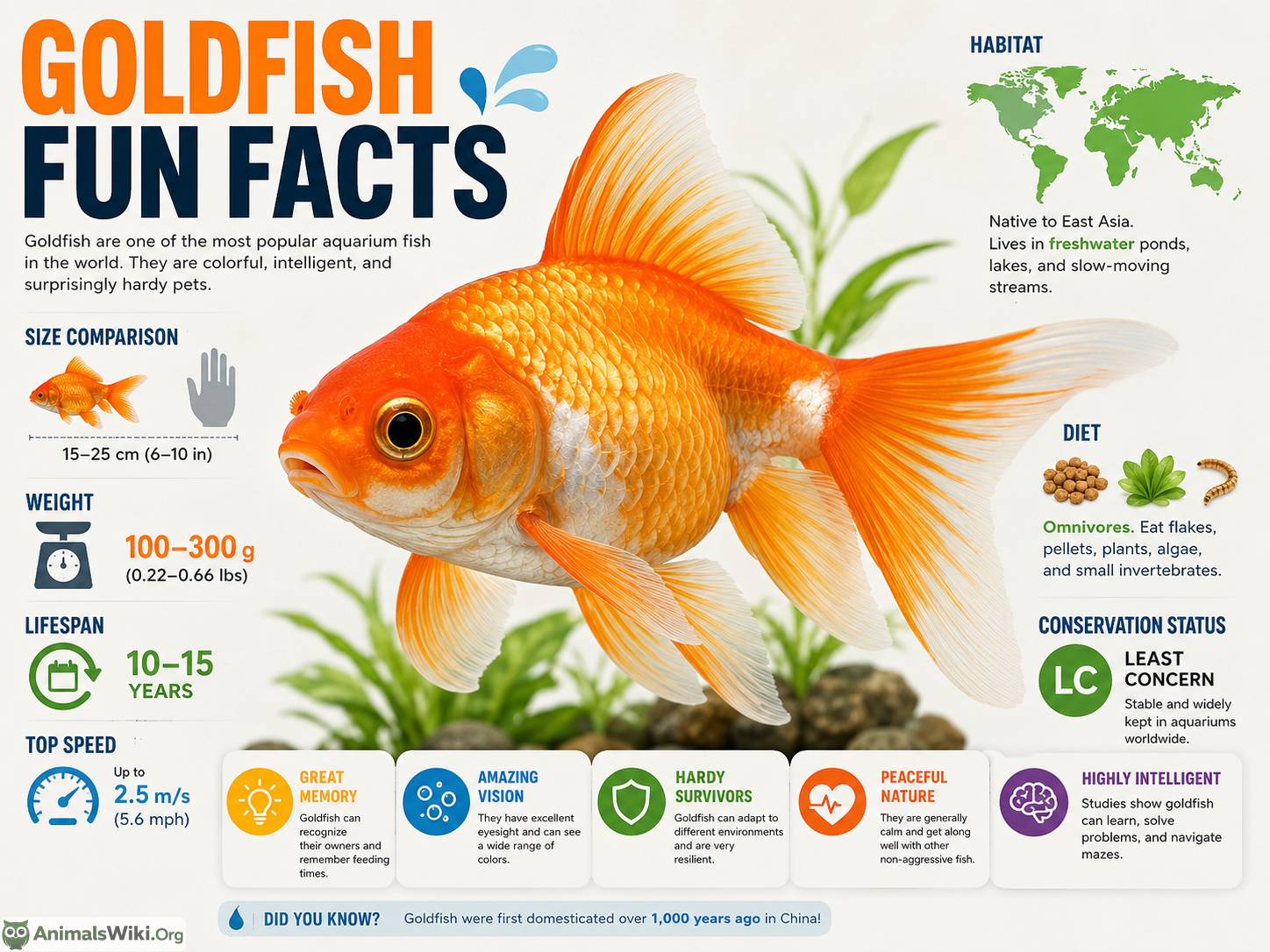
- Goldfish do not have a three-second memory — research has demonstrated they can remember things for months and can be trained to complete complex tasks
- The stonefish is the world’s most venomous fish and can survive out of water for up to 24 hours
- Fish were the first vertebrates to evolve jaws — a development so significant it essentially enabled the subsequent evolution of all land vertebrates
- The black swallower (Chiasmodon niger) can swallow prey 10 times its own mass — its stomach expands to accommodate fish far larger than itself
- Mudskippers — a group of amphibious fish from mangrove habitats — can climb trees, walk on land using their pectoral fins, and breathe through their damp skin
- The sailfish (Istiophorus platypterus) is believed to be the fastest fish in the ocean, with burst speeds recorded at over 110 km/h (68 mph)
- There are more species of fish than all other vertebrates (amphibians, reptiles, birds, and mammals) combined
17. Frequently Asked Questions About About Fish
Q1: What exactly is a fish — and is it one animal or many?
“Fish” is a collective term for aquatic, gill-breathing vertebrates that do not have four limbs (tetrapods). It is not a single unified group but rather several distinct evolutionary lineages — ray-finned fish, cartilaginous fish (sharks and rays), lobe-finned fish (coelacanths and lungfishes), and jawless fish (lampreys and hagfish). Together, these groups comprise over 36,000 known species — roughly half of all vertebrate species on Earth.
Q2: What is the biggest fish in the world?
The whale shark (Rhincodon typus) is the world’s largest fish, reaching lengths of up to 12 metres and weights of up to 21,500 kg. Despite its enormous size, it is a filter feeder that poses no threat to humans, feeding on plankton, krill, and small fish. The largest bony fish (ray-finned fish) is the ocean sunfish (Mola mola), which can weigh up to 2,300 kg.
Q3: Can fish feel pain?
This question has been intensely debated in science and is increasingly answered with “yes.” Fish possess nociceptors (pain-detecting nerve endings), produce stress hormones when injured, and display protective behaviors in response to harmful stimuli that persist after the immediate threat has passed. The scientific consensus has shifted significantly toward recognizing fish as sentient beings capable of experiencing pain and suffering, though the nature of their subjective experience remains debated.
Q4: How do fish breathe?
Most fish breathe by drawing water in through their mouths and passing it over their gills — highly vascular organs that extract dissolved oxygen from water. Specialized cells in the gill filaments perform gas exchange, absorbing oxygen into the bloodstream while releasing carbon dioxide. Some fish — like lungfishes, mudskippers, and the bowfin — can breathe atmospheric air, using modified swim bladders or simple lungs.
Q5: How many fish species are there?
As of 2026, approximately 36,000 species of fish have been formally described and named. However, scientists estimate that many more remain undiscovered — particularly in deep-sea environments and remote freshwater systems. Approximately 150–200 new fish species are described by science every year.
Q6: Are sharks really as dangerous as movies suggest?
No — and the cultural image of sharks as mindless human hunters is one of the most damaging wildlife myths of the modern era. Worldwide, fewer than 10 people are killed by sharks in an average year — compared to 100 million sharks killed by humans annually through fishing, finning, and bycatch. Sharks are, in ecological terms, far more endangered by humans than humans are threatened by sharks. Most species are completely harmless to people.
Q7: Why are so many fish species threatened with extinction?
The primary drivers of fish population decline are overfishing (approximately 34% of marine stocks are currently overfished), habitat destruction (coral reef degradation, river damming, wetland drainage), climate change (ocean warming and acidification), pollution (agricultural runoff, plastics, chemicals), and invasive species. Freshwater fish are proportionally the most threatened vertebrate group, with an estimated 1 in 3 freshwater species currently at risk.
Q8: Do fish sleep?
Fish do rest, but their sleep is different from mammalian sleep — they lack eyelids and cannot close their eyes. Most fish enter periods of reduced activity and lowered responsiveness that function similarly to sleep, often hovering motionless in a sheltered location. Some species — like parrotfish — secrete a mucus cocoon around themselves at night, possibly to mask their scent from predators while resting. True REM sleep as defined in mammals has not been definitively demonstrated in fish, though some researchers have observed behaviors suggesting something analogous.
18. Sources Researched
- Fish Images — shutterstock.com
- Wikipedia — en.wikipedia.org/wiki/Fish
- National Geographic — nationalgeographic.com
- WWF (World Wildlife Fund) — worldwildlife.org
- IUCN Red List — iucnredlist.org
- Britannica — britannica.com/animal/fish
- FAO (Food and Agriculture Organization of the UN) — fao.org (fisheries data)
- Smithsonian Ocean — ocean.si.edu
- NOAA Fisheries — fisheries.noaa.gov
- Monterey Bay Aquarium / Seafood Watch — seafoodwatch.org
- FishBase — fishbase.org (the world’s most comprehensive fish species database)
- MBARI (Monterey Bay Aquarium Research Institute) — mbari.org
- Australian Institute of Marine Science — aims.gov.au
- Project AWARE — projectaware.org
- Jonathan Balcombe, “What a Fish Knows” (2016)
- Rachel Carson, “The Sea Around Us” (1951)
19. Fish Images (Shutterstock)